Dog aggression is scary, exhausting, and lonely—but it’s also trainable. Many dogs who bark, lunge, or bite are not “bad”; they’re scared, confused, in pain, or rehearsing behaviors that once worked for them. The right dog classes for aggressive dogs can turn that chaos into a realistic training plan, so your dog stays safely in your home instead of heading toward surrender or euthanasia.
Aggressive dog training classes focus on safety, education, and slow, steady progress. They help you understand why your dog growls, snaps, or explodes on leash and what to do instead. When you combine a solid class, your vet’s input, and consistent practice at home, most dogs can learn safer, calmer ways to cope with their triggers.
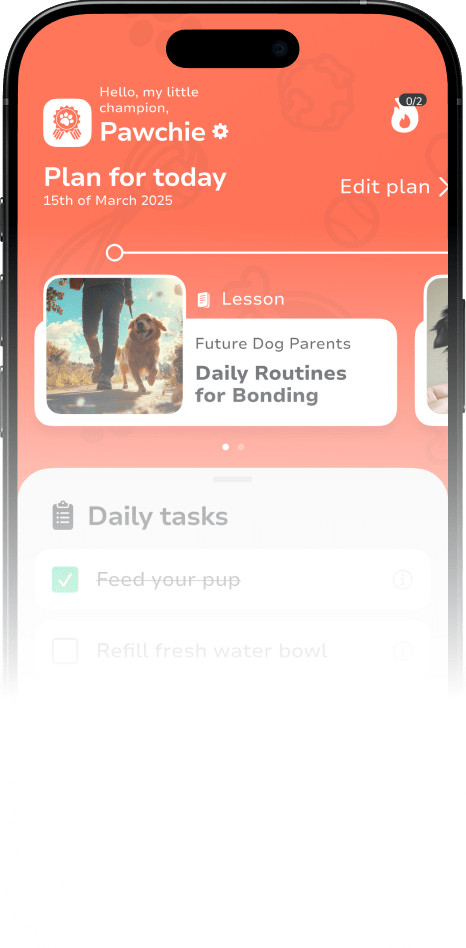
PawChamp fits in as your everyday coaching partner—helping you track triggers, practice exercises between sessions, and stay emotionally grounded while you work with qualified behavior professionals.
Key takeaways:
Aggression in dogs is usually linked to fear, stress, or repeated patterns, not intentional behavior.
Training classes for aggressive dogs focus on safety, structure, and gradual progress.
The right format—reactive classes, private sessions, or small groups—depends on the dog’s triggers and history.
Techniques like desensitization and counterconditioning are used to change the dog’s response over time.
Management and environment play a key role in preventing reactions while training is in progress.
Consistent practice between sessions is essential for long-term results.
Best Dog Training Classes for Aggressive Dogs
Different types of training classes are designed to address specific forms of aggression, so choosing the right format depends on how and when your dog reacts.
Reactive Dog Training Classes
Reactive dog classes are designed for dogs who bark, lunge, or growl at other dogs, people, or moving things—especially on leash. These programs focus on fear-based aggression and over-arousal rather than true predatory behavior. You’ll work on safe setups where your dog can see triggers at a comfortable distance while learning calmer alternatives.
Trainers use desensitization and counterconditioning to change how your dog feels about scary things. Instead of “see dog → explode,” the new pattern becomes “see dog → look at you → get food and move away.” Reactive dog classes are ideal if your dog is fine at home but melts down on walks, near fences, or in busy spaces like vet lobbies or parking lots.
If you’re not sure where your dog’s reactivity actually starts—or what to work on first—having a clear starting point can make a big difference. PawChamp’s quick quiz helps you identify triggers and map out the next steps, so your training feels structured instead of guesswork.
Private Dog Training for Aggressive Dogs
For bite history, multiple triggers, or dogs who can’t safely share space with others yet, private training sessions are often essential. A qualified trainer or behavior consultant comes to your home or meets you in controlled locations to build a customized plan around your dog’s history, environment, and health.
Private work typically costs $100–$250 per session, but you get detailed coaching on management, handling skills, and safety setups for your own house, yard, and walks. It’s also the best format if there are kids, frail family members, or other pets at risk. Many dogs start privately and later “graduate” to small, well-run group classes once basic skills and safety protocols are in place.
Small Group and Online Dog Training Classes
Some dogs with milder issues can handle small group classes—usually 2–4 dogs with plenty of distance, barriers, and supervision. These classes let your dog practice impulse control and calm behaviors around triggers while staying under threshold. They’re more affordable than 1:1 work and great for generalizing skills to new environments.
If you can’t access local specialists, virtual aggressive dog training classes are a strong option. Trainers coach you via video, watching body language, adjusting setups, and giving step-by-step homework. Online work can’t replace hands-on safety support, but it’s excellent for learning theory, developing management plans, and getting expert eyes on your training between in-person sessions.
How to Choose the Right Aggressive Dog Trainer?
Choosing the right trainer is one of the most important decisions you’ll make, as it directly affects both your dog’s progress and everyone’s safety.
Certified Dog Trainers for Aggression Cases
For safety and results, look for trainers with credentials like CCPDT, IAABC, or KPA and specific experience with aggression cases—not just puppy manners. Ask directly: “How often do you work with aggressive dogs?” and “What does a typical case plan look like?”.
When evaluating a trainer, pay attention to:
Their certifications and experience with aggression cases.
The training methods they use (force-free vs punishment-based).
How clearly they explain their approach and expectations.
Modern aggressive dog training classes use force-free, science-based methods. That means positive reinforcement, desensitization, and counterconditioning—not alpha rolls, leash pops, or flooding. If a trainer talks about “dominance,” “being the alpha,” or “showing your dog who’s boss,” that’s a red flag. You want someone who sees aggression as an emotional problem to be treated, not a power struggle to be won.
Even with the right trainer, it’s not always clear how to apply those methods day to day when real-life situations happen. PawChamp helps you turn that guidance into simple, practical steps you can follow at home, so you’re not second-guessing what to do at the moment.
Safety Protocols and Training Environment
Quality programs start with an intake form and behavioral assessment before placing your dog in any class. You should hear clear rules about muzzles, leashes, space, and emergency procedures. Facilities need enough room for large comfort distances, separate entry/exit routes, and physical barriers to prevent surprise encounters.
Ask about insurance, staff training in dog-bite prevention, and how they decide whether a dog belongs in group classes versus private training. If the trainer brushes off your safety questions or packs too many dogs into a small room, keep looking.
Group vs Private Dog Training for Aggression
Benefits of Group Classes
Well-run group classes for reactive or aggressive dogs are powerful because they provide controlled exposure. Your dog learns to see other dogs, people, or bikes without immediately reacting, while you practice handling skills under supervision. Group programs usually run 6–8 weeks and cost less per session than private work, making ongoing support more affordable.
These classes are ideal for dogs whose aggression is limited to specific contexts—like on-leash reactivity—but who can still function with distance and careful setups. They also give you a built-in support system of other owners who truly understand what it’s like to live with a loud, lunging dog.
Benefits of Private Training
Individual training shines when safety is a concern or behavior is complex: multiple bites, household fights, or aggression toward visitors. Because every minute is tailored to your dog, you can progress faster on targeted issues, adjust sessions to your home layout, and involve the whole family.
Many families follow a hybrid path: start with private sessions to stabilize safety and management, then transition into small group classes to practice skills around real-life triggers.
💡 Think about it:
That combination often provides the best balance between cost, progress, and long-term support.
How to Train an Aggressive Dog (Proven Methods)
These methods focus on changing both your dog’s emotional response and their behavior, rather than just stopping the reaction.
Desensitization and Counterconditioning Training
Most effective dog classes for aggressive dogs are built on desensitization and counterconditioning (DS/CC). Desensitization means exposing your dog to a trigger at a low enough intensity that they notice it but don’t explode; counterconditioning means pairing that trigger with something your dog loves (like high-value food) until their emotional response changes.
Instead of:
“dog → danger”
the brain learns:
“dog → chicken appears → good things happen”.
Over time, your trainer will gradually reduce distance or increase intensity as your dog demonstrates calmness, always staying under threshold. Done correctly, DS/CC doesn’t just suppress growling; it shifts the internal feeling from panic to “I can handle this”.
Even when you understand the method, it’s not always clear how to apply it in real situations or adjust when your dog reacts differently than expected. PawChamp gives you a way to check what to do next and get practical input, so you’re not figuring it out alone between training sessions.
Positive Reinforcement for Aggressive Dogs
Aggressive dog training classes also teach specific alternate behaviors: looking at you, turning away, moving behind you, or settling on a mat. Using positive reinforcement, trainers reward these choices heavily, building a history where staying calm pays better than lunging.
Impulse-control games—like “look at that,” “leave it,” and pattern games—help your dog practice thinking instead of reacting. Over time, those skills spill over into daily life: calmer vet visits, quieter windows, safer walks. You’re not just stopping aggression; you’re teaching your dog a new operating system.
Managing Dog Aggression
No training plan works without management. That means baby gates, careful walk routes, secure equipment, and clear rules about visitors and kids. Good programs help you redesign your dog’s environment to prevent rehearsals of lunging, snapping, or guarding.
At the same time, trainers emphasize enrichment and stress reduction—sniff walks, puzzle toys, chew items, and routines that help your dog decompress. A tired but not overworked brain is less likely to overreact. PawChamp’s routines and activity ideas can make this part easier to keep up with between formal sessions.
How to Prepare for Aggressive Dog Training Classes?
Preparation makes classes safer and more effective. Before you start:
Visit your vet to rule out pain, illness, or neurological issues that may drive aggression.
Condition a basket muzzle if recommended, using treats so your dog happily puts their nose in.
Refresh basics like “sit,” “stay,” and “look at me” in quiet spaces so you can use them near triggers.
Pack high-value treats (chicken, cheese, or soft training treats), a well-fitted harness, a sturdy leash, and any required documents or behavior history notes. PawChamp can help you log incidents—what happened, distance, warning signs—so your trainer sees patterns right away. The more honest details you share, the more precisely they can adjust setups and homework.
Cost of Aggressive Dog Training and Timeline
Aggressive dog training is a marathon, not a sprint. Group reactive classes often run $150–$400 for 6–8 weeks; private training ranges from $100–$250 per hour; intensive board-and-train programs may cost $2,000–$5,000 or more. Virtual and hybrid options can lower the price while still giving you access to specialists.
Most families start to notice changes within a few weeks—slower recoveries after triggers, more check-ins, fewer explosions—but true behavior change can take months or longer, especially for dogs with a long rehearsal history or medical issues. Your trainer should help you set short-term goals (e.g., walking past a parked car calmly) and long-term milestones (e.g., passing another dog at a safe distance).
💡 Remember:
the goal isn’t a “perfect” dog. It’s safer, more predictable behavior and a life where everyone can exhale again.
Red Flags to Avoid in Aggressive Dog Training
This part is crucial: some “aggressive dog training classes” can make things worse. Walk away if a trainer:
Talks about dominance, alpha dogs, or “breaking” your dog.
Relies on shock, prong, or choke collars as the main solution for aggression.
Guarantees a cure in a set number of sessions.
Packs many dogs into a small space with little distance or supervision.
A good trainer welcomes questions, explains methods clearly, and respects your dog’s stress signals. If your gut says the setup doesn’t feel safe or kind, it probably isn’t. PawChamp’s educational content can help you sanity-check what you’re hearing against modern, evidence-based standards.
How PawChamp Can Support Aggressive Dog Training?
PawChamp isn’t a replacement for your vet or behaviorist—but it is a powerful support system around your aggressive dog training program. Inside the app, you can:
Follow step-by-step routines that align with positive reinforcement and threshold-based work.
Use checklists and notes to track triggers, distances, and good days vs bad days, then share that data with your trainer.
Access calm, practical advice through “Ask a Dog Expert” when you feel stuck between sessions and need realistic next steps.
Because PawChamp is built on modern, force-free methods, it helps you stay consistent with what your trainer is teaching instead of accidentally undoing progress. Think of it as your pocket coach—there to remind you what to do when your real-life dog starts reacting instead of reading the training plan.
Quick Tips for Families Living With Aggressive Dogs
Living with an aggressive dog can feel overwhelming, but small, consistent actions make a real difference over time.
Tip 1: Management is not a failure. Gates, muzzles, and careful routes are what keep everyone safe while the training does its slow, quiet work.
Tip 2: Celebrate tiny wins—a shorter bark, faster recovery, or one calm glance at you is real progress. Write it down; it will keep you going on hard days.
Tip 3: Take care of yourself, too. Living with an aggressive dog is emotionally heavy. Getting support—from your trainer, PawChamp, or other owners—makes you a better, more patient handler.
Progress with aggressive dogs is rarely linear, but staying consistent with both training and support helps create a safer, more manageable everyday life.
Final Thoughts
Dog aggression can feel overwhelming, but with the right support and training approach, it’s something many dogs can work through. The key is choosing the right class, staying consistent, and focusing on safety and gradual progress. Whether you start with private training or structured group classes, small improvements add up over time. With patience and the right guidance, both you and your dog can build a calmer, more predictable everyday life.