Adding a dog to your family brings joy, companionship, and plenty of memorable moments. However, many families worry about constant shedding covering furniture, clothing, and floors. That’s why many pet owners search for dogs that don’t shed or breed known for minimal hair loss.
While no dog is completely shed-free, several non shedding dog breeds produce far less loose hair than others. These dogs can be excellent companions for families who want a loving pet without dealing with heavy shedding around the home.
Key Takeaways
Many low shedding dog breeds still lose some hair but far less than most other dogs.
Regular grooming is essential for maintaining healthy skin and coats.
Both small and large family dogs that don’t shed are available.
Training and structure help dogs thrive in family homes and grooming environments.
Some hypoallergenic dog breeds may be better for people with mild allergies.
If you want a simple way to choose a dog that fits your family life (not just your Pinterest board), the PawChamp quiz helps you start with the right routine and training focus based on your dog’s age and your household.
What Are Low Shedding Dog Breeds And Are They Truly Hypoallergenic?
Many families researching the best pets begin by looking at low shedding dog breeds. These dogs often have hair that grows continuously instead of shedding seasonally. Because less hair and dander are released into the environment, they may be better options for households searching for dogs for allergies.
However, it’s important to understand that no dog is completely allergy-proof, as many may be led to believe. Even breeds often described as hypoallergenic dog breeds can still produce some allergens through saliva and skin particles.
What makes these dogs appealing is their coat structure; instead of shedding constantly around the home, their hair tends to remain trapped in the coat until it is brushed or groomed. This means they usually require more grooming but produce less visible shedding in everyday life (and far less vacuuming).
Still not sure which dog is right for your home or allergies? With PawChamp, you can get personalized advice from a dog expert and make the right choice with confidence.
Top Low Shedding Dog Breeds: Dog Expert Explains
Many dog owners ask groomers and veterinarians about the best dogs that don’t shed. While temperament and energy levels vary, some breeds are widely recognized as popular types of dogs that don’t shed due to their coat and family-friendly personalities.
💡 Top picks:
Below are six breeds frequently recommended for families seeking a loving companion with minimal shedding and some of my absolute favorites!
Maltese: Small Dog That Doesn’t Shed Much
The Maltese is one of the most popular small dogs that don’t shed. Known for its silky white coat and affectionate personality, this breed thrives on human companionship.
Maltese dogs are often considered small hypoallergenic dogs because their coat grows continuously rather than shedding heavily. Their small size and gentle temperament make them excellent companions for families, seniors, or apartment living.
For households seeking mini dogs that don’t shed, the Maltese offers a playful yet affectionate personality that fits well into many lifestyles.
Bichon Frise: Fluffy Dog That Doesn’t Shed
The Bichon Frise is often described as one of the happiest fluffy dogs that don’t shed. Their soft, curly coat helps trap loose hair, which reduces visible shedding around the home.
These dogs are widely recognized among small breed dogs that don’t shed and are known for their playful, friendly personalities. Bichons love attention and usually get along well with children and other pets.
💡 Keep in mind:
Because of their curly coats, regular grooming and brushing (at home) help prevent tangles and keep the coat healthy.
Shih Tzu: Companion Dog
The Shih Tzu is a classic lap dog with a long history as a companion breed. Families searching for dogs that don’t shed a lot often choose this breed because of its cute, calm personality and manageable coat.
Shih Tzus thrive on affection and enjoy spending time close to their owners. Their hair grows long, which helps reduce loose hair around the house. As a groomer, I’ve had a Shih Tzu whose hair grew long enough to be mistaken as a mop, although it didn’t clean like one.
This breed’s friendly and relaxed nature makes it a great option for families looking for a gentle, loyal companion dog breed.
Portuguese Water Dog: Medium Sized Dog
For households that want a more active companion, the Portuguese Water Dog is one of the most well-known medium sized dogs that don’t shed.
According to McCullough, originally bred to assist fishermen, this breed is: energetic, intelligent, and highly trainable. Their dense, curly coat sheds very little but requires regular grooming.
Portuguese Water Dogs thrive in active homes where they can participate in exercise, games, and outdoor adventures as an active family dog.
Standard Poodle: Large Dog That Doesn’t Shed
The Standard Poodle is often ranked among the most intelligent dog breeds and they are my absolute favorite. It is also one of the most popular large dogs that don’t shed. Many groomers specialize in this breed, due to their fantastic and easily trainable coats.
Many people ask, do poodles shed? The answer is that they shed minimally. They have a dense curly coat that needs to be brushed and maintained regularly to keep it healthy and reduce excess dander which can affect allergies.
Poodles are highly trainable and thrive when given mental stimulation and structured training that can be learned through PawChamp. Their friendly personality and adaptability make them great companions for families of all shapes and sizes.
Giant Schnauzer: Big Dogs That Don’t Shed
The Giant Schnauzer is one of the most impressive family dogs that don’t shed. Known for their loyalty and protective instincts, these dogs form strong bonds with their families.
As one of the larger giant low shedding dogs, this breed requires consistent training, leadership, and exercise. Their wiry coat sheds very little but benefits from routine grooming.
In the right home, Giant Schnauzers are devoted companions and confident family protectors.
Grooming Tips For Dogs That Don’t Shed
Although many people choose low shedding dogs, grooming is still essential for maintaining coat health. Because their hair grows continuously, regular brushing helps prevent tangles and matting.
Many owners also schedule professional dog grooming appointments, usually ranging from every six to eight weeks to keep coats trimmed and manageable.
💡 Keep in mind:
When you own a dog that requires regular grooming, price can vary on size, coat type, and behavior. Research your breed choice, and contact local groomers for their pricing and grooming recommendations.
Helpful grooming habits include:
Brushing several times per week
Bathing when needed, being sure to completely dry them after the bath
Scheduling regular grooming appointments
Checking nails, ears, and skin health
Rewarding positive behavior when working on/with your pet
Consistent grooming keeps coats healthy and comfortable for dogs. Groomers also seeing and working on dogs routinely, can help to identify any health or behavior concerns that may pop up in between appointments.
How Often Should Low Shedding Dogs Be Brushed?
Most low-shedding breeds benefit from brushing at least two to three times per week. Brushing helps remove trapped hair, dirt, and debris while preventing painful mats.
Using the right types of dog brushes makes grooming easier.
Common brushes include:
Slicker brushes for removing tangles
Pin brushes for longer coats
Bristle brushes for smoothing hair
Undercoat rakes for dense coats
Regular brushing keeps coats healthy and comfortable.
How Pawchamp Helps?
Training is just as important as grooming when raising a well-behaved family dog. Grooming can be stressful for dogs who haven’t been introduced properly or worked with at home, specifically when it comes to the dryers and tools like clippers or nail trimmers.
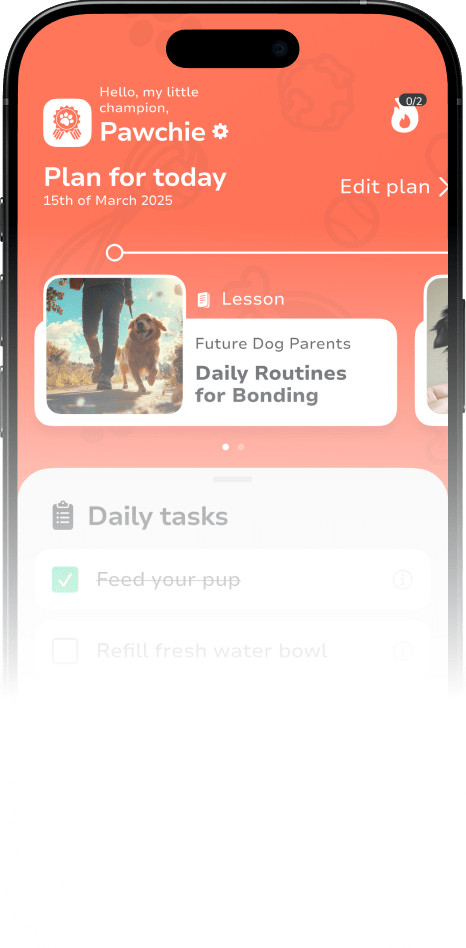
PawChamp helps dog owners manage training through simple, structured lessons inside an easy-to-use app. The app provides:
step-by-step exercises that guide pet parents through common training situations
always using positive reinforcement is key; that is also crucial from a groomer to help pets associate a grooming appointment with a positive experience
includes progress tracking so owners can monitor improvements over time
Ask a dog expert chat feature allows users to receive guidance from experienced professionals
My biggest suggestion is bring treats with you to their grooming appointments. Allow your groomer to use the treats to reward calm, acceptable behavior as dangerous behaviors can be detrimental to future appointments and potentially your dog’s safety.
For families raising a new dog or working through behavior challenges, tools like PawChamp app can provide helpful support.
Bottom Line
Low-shedding dogs can make wonderful companions for families who want a cleaner home environment. While no breed is completely shed-free, many produce far less random hair to clean up than others. With proper grooming, training, and care, these dogs thrive in family homes. Choosing the right breed and using helpful training tools like PawChamp app can help create a happy and balanced life with your dog.
Citations:
McCullough, Susan. "Portuguese Water Dog History: The Fisherman’s Loyal Working Dog." American Kennel Club, 1 Nov. 2021, www.akc.org/expert-advice/dog-breeds/portuguese-water-dog-history-the-fishermans-loyal-working-dog/.
"Why A Dog's Training Matters To A Groomer?" Merryfield Academy, www.merryfield.edu/blog/pet-grooming/why-a-dogs-training-matters-to-a-groomer/.