Separation anxiety in dogs can turn even the most well-behaved dog into a stressed-out mess. If your pup panics whenever you leave—barking, chewing, or pacing—it’s not because they’re misbehaving. It’s because they’re scared. The good news? You can help them feel more secure and confident, and it doesn’t involve sneaking out the door like a ninja.
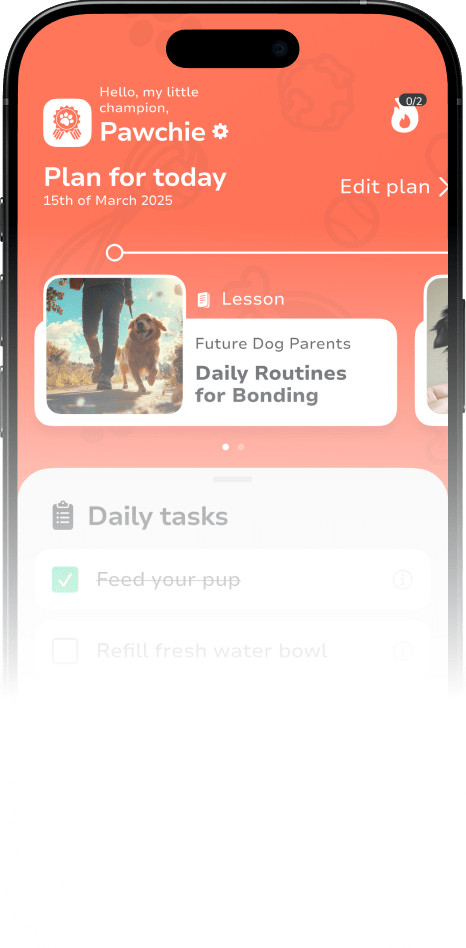
If you want a little extra structure as you work through this, the PawChamp app can guide you step by step. It turns these ideas into a clear plan you can follow at home, with expert-backed techniques, simple exercises, and progress you can track over time—so you’re not guessing what to do next every time you grab your keys.
Key Takeaways:
Some dogs struggle alone because of routine changes, past experiences, or not learning independence early
Separation anxiety signs include barking, pacing, chewing, drooling, and escape attempts when you leave
Progress comes from gradual alone-time training, calm departures, and giving your dog a simple “job” to do
PawChamp supports you with expert-backed steps, trackable progress, and extra guidance when you need it
Why Some Dogs Struggle With Being Alone?
Dogs don’t get anxious for no reason. They’re creatures of habit, and when their world suddenly shifts—maybe you started a new job, moved to a different home, or someone they loved is no longer around—it can shake their sense of security. Rescue dogs, in particular, may have past abandonment experiences, making them more prone to anxiety when left alone.
Some dogs are just wired this way. Puppies that were never taught how to be alone might grow up feeling like every separation is the end of the world. Others are simply extra attached. If your dog follows you from room to room like a tiny, four-legged shadow, they might need a little help learning to be okay on their own.
Separation anxiety is a challenging behavioral issue rather than a disobedience problem, but with patience and thoughtful management, we can help our dogs feel secure and relaxed when they are home alone.
What Does Separation Anxiety Look Like in Dogs?
It’s one thing for your dog to be a little bummed when you leave. It’s another when they go full meltdown mode. If you come home to chewed-up furniture, hear nonstop barking through your security camera, or find unexpected “gifts” on the floor (even though your dog is house-trained), they might be struggling with separation anxiety. Other common signs include excessive drooling, pacing, and even escape attempts—like trying to dig through the door as if they’re starring in The Great Escape.
If you’re seeing a few of these signs and you’re not sure how serious it is, it can help to get a second set of eyes on the situation. The Ask Experts feature in PawChamp lets you share what’s happening (when it started, what your dog does when you leave, and what you’ve tried so far) and get practical guidance on next steps.
Separation Anxiety in Dogs Training
So, how do you help your dog feel okay when you’re not around? The answer isn’t a quick fix, but with consistency, patience, and the right approach, your dog can learn that being alone isn’t so bad after all.
Ease Them Into Alone Time
Imagine being thrown into a situation where you’re suddenly left alone with no warning.
Not fun, right? Instead of disappearing for hours, leave your dog alone for just a few minutes. Step out of the house, come back, and act like it’s no big deal. Gradually extend the time so they build confidence in your return.
Skip the Emotional Goodbyes
We get it—it’s hard to leave when your pup looks at you like you’ve betrayed them. But making a big deal out of your departure only reinforces their fear. Instead, keep goodbyes casual and relaxed. A simple “See you later” (without the dramatic hugs) will do.
Give Them a “Job” While You’re Gone
Boredom and anxiety go hand in hand. Keeping your dog mentally engaged while you’re away can make a world of difference. A frozen lick mat, a puzzle feeder, or a treat-dispensing toy can keep them busy, making alone time less stressful and more rewarding.
Dog Separation Anxiety: Toys
If your dog follows you everywhere (even to the bathroom—yes, we see you), try helping them get comfortable in a separate room while you’re home. Give them a chew toy or treat and step away for a bit. This small habit teaches them that they don’t need to be glued to your side 24/7. Interactive toys like puzzle feeders or treat-dispensing balls can keep them focused and relaxed while you're away.
How PawChamp Can Help?
Separation anxiety isn’t just tough on your dog—it’s stressful for you too. That’s why PawChamp provides expert-backed training programs designed to help anxious dogs build confidence and feel more at ease when alone.
With PawChamp, you’ll get:
Step-by-step training plans that gradually help your dog feel more comfortable alone.
Expert advice on positive reinforcement techniques to reduce anxiety.
Enrichment ideas to keep your dog engaged and mentally stimulated while you’re away.
Helping your dog overcome separation anxiety takes time, but with the right approach, they’ll learn that being alone isn’t the end of the world—it’s just another part of their routine.
Bottom Line
Separation anxiety isn’t about disobedience—it’s about fear. Dogs that panic when left alone need help feeling safe, not punishment. With patience, the right tools, and support from PawChamp, your dog can learn to stay calm while you’re away. It takes time, but the change is real—and yes, your couch will survive.