La ansiedad en los perros puede convertir incluso al perro más bien portado en un desastre estresado. Si tu perro entra en pánico cada vez que te vas—ladrando, masticando o caminando de un lado a otro—no es porque se esté portando mal. Es porque está sufriendo. ¿La buena noticia? Puedes ayudarlo a sentirse más seguro y confiado, y no implica salir de la casa como un ninja.
Puntos clave:
Algunos perros tienen dificultades al quedarse solos debido a cambios en la rutina, experiencias pasadas o por no haber aprendido la independencia desde temprano.
Los signos de ansiedad por separación incluyen ladridos, caminar de un lado a otro, masticar, babear e intentos de escape cuando te vas.
El progreso se logra con un entrenamiento gradual para estar solo, salidas tranquilas y darle a tu perro un “trabajo” sencillo que hacer.
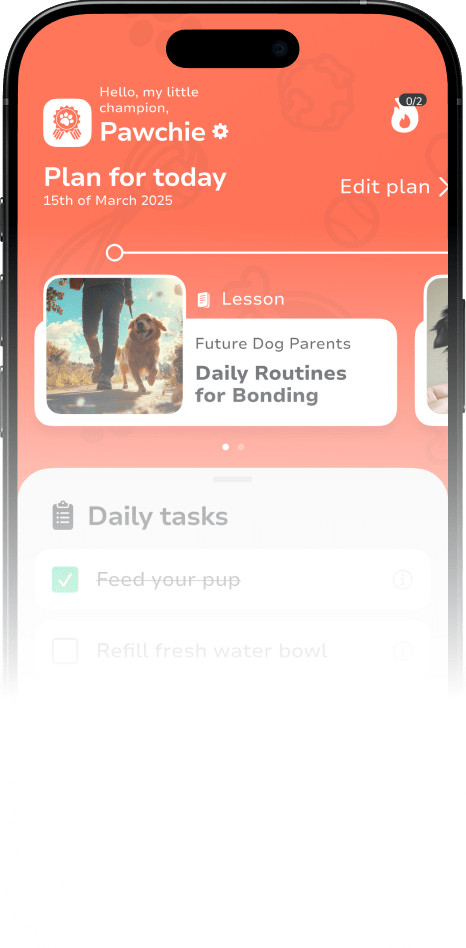
PawChamp te apoya con pasos respaldados por expertos, progreso que puedes seguir y guía extra cuando la necesites.
Si quieres un poco más de estructura mientras trabajas en esto, la app PawChamp puede guiarte paso a paso. Convierte estas ideas en un plan claro que puedes seguir en casa, con técnicas respaldadas por expertos, ejercicios simples y progreso que puedes monitorear con el tiempo—para que no tengas que adivinar qué hacer cada vez que tomas tus llaves.
¿Por qué algunos perros tienen dificultades para estar solos?
Los perros no se ponen ansiosos sin razón. Son criaturas de hábitos, y cuando su mundo cambia de repente—quizá comenzaste un nuevo trabajo, te mudaste a otra casa o alguien a quien amaban ya no está—puede sacudir su sentido de seguridad. Los perros rescatados, en particular, pueden tener experiencias pasadas de abandono, lo que los hace más propensos a la ansiedad cuando se quedan solos.
Algunos perros simplemente están hechos así. Los cachorros que nunca aprendieron a estar solos pueden crecer sintiendo que cada separación es el fin del mundo. Otros simplemente están muy apegados. Si tu perro te sigue de habitación en habitación como una pequeña sombra de cuatro patas, puede que necesite un poco de ayuda para aprender a estar bien por su cuenta.
La ansiedad por separación es un problema de comportamiento desafiante más que un problema de desobediencia, pero con paciencia y manejo cuidadoso, podemos ayudar a nuestros perros a sentirse seguros y relajados cuando están solos en casa.
¿Cómo se ve la ansiedad por separación en los perros?
Una cosa es que tu perro se sienta un poco triste cuando te vas. Otra muy distinta es que entre en modo colapso total. Si llegas a casa y encuentras muebles mordidos, escuchas ladridos sin parar a través de tu cámara de seguridad o encuentras “regalos” inesperados en el suelo (aunque tu perro esté entrenado para hacer sus necesidades), puede que esté sufriendo ansiedad por separación. Otros signos comunes incluyen babear en exceso, caminar de un lado a otro e incluso intentos de escape—como tratar de cavar la puerta como si protagonizara La gran evasión.
Si ves algunos de estos signos y no estás seguro de qué tan grave es, puede ayudar tener una segunda opinión. La función Pregunta a Expertos en PawChamp te permite compartir lo que está pasando (cuándo empezó, qué hace tu perro cuando te vas y qué has intentado hasta ahora) y obtener orientación práctica sobre los siguientes pasos.
Entrenamiento para la ansiedad por separación en perros
Entonces, ¿cómo ayudas a tu perro a sentirse bien cuando no estás? La respuesta no es una solución rápida, pero con constancia, paciencia y el enfoque correcto, tu perro puede aprender que estar solo no es tan malo después de todo.
Entrenamiento gradual para estar solo en perros
Imagina que te lanzan a una situación donde de repente te quedas solo sin aviso.
No es divertido, ¿verdad? En lugar de desaparecer por horas, deja a tu perro solo por unos minutos. Sal de la casa, regresa y actúa como si no fuera gran cosa. Gradualmente extiende el tiempo para que gane confianza en tu regreso.
¿Cómo salir sin provocar ansiedad?
Lo entendemos—es difícil irte cuando tu perro te mira como si lo hubieras traicionado. Pero hacer un gran drama por tu partida solo refuerza su miedo. En cambio, mantén las despedidas casuales y relajadas. Un simple “Nos vemos luego” (sin abrazos dramáticos) es suficiente.
La mejor estimulación mental para perros cuando están solos
El aburrimiento y la ansiedad van de la mano. Mantener a tu perro mentalmente ocupado mientras no estás puede hacer una gran diferencia. Un tapete para lamer congelado, un comedero tipo rompecabezas o un juguete dispensador de premios pueden mantenerlo entretenido, haciendo que el tiempo solo sea menos estresante y más gratificante. Asegúrate de que tu perro no tenga tendencia a masticar y comer los objetos que le dejas como “trabajo”.
Ansiedad por separación en perros: los mejores juguetes
Si tu perro te sigue a todas partes (incluso al baño—sí, te estamos viendo), intenta ayudarlo a sentirse cómodo en una habitación separada mientras estás en casa. Dale un juguete para masticar o un premio y aléjate por 10 a 30 segundos, y ve aumentando el tiempo. Este pequeño hábito le enseña que no necesita estar pegado a ti las 24 horas. Los juguetes interactivos como comederos rompecabezas o pelotas dispensadoras de premios pueden mantenerlo concentrado y relajado mientras no estás.
¿Cómo puede ayudar PawChamp?
La ansiedad por separación no solo es difícil para tu perro—también es estresante para ti. Por eso PawChamp ofrece programas de entrenamiento respaldados por expertos diseñados para ayudar a perros ansiosos a ganar confianza y sentirse más tranquilos cuando están solos.
Con PawChamp, obtendrás:
Planes de entrenamiento paso a paso que ayudan gradualmente a tu perro a sentirse más cómodo solo.
Consejos de expertos sobre técnicas de refuerzo positivo para reducir la ansiedad.
Ideas de enriquecimiento para mantener a tu perro entretenido y mentalmente estimulado mientras no estás.
Ayudar a tu perro a superar la ansiedad por separación toma tiempo, pero con el enfoque correcto, aprenderá que estar solo no es el fin del mundo—es solo otra parte de su rutina.
Conclusión
La ansiedad por separación no se trata de desobediencia, sino de miedo. Los perros que entran en pánico cuando se quedan solos necesitan ayuda para sentirse seguros, no castigos. Con paciencia, las herramientas adecuadas y el apoyo de PawChamp, tu perro puede aprender a mantenerse tranquilo mientras estás fuera. Toma tiempo, pero el cambio es real—y sí, tu sofá sobrevivirá.