L'ansia da separazione può trasformare anche il cane più ben educato in un disastro stressato. Se il tuo cane va nel panico ogni volta che te ne vai—abbaia, mastica o gira in tondo—non è perché si comporta male. È perché sta soffrendo. La buona notizia? Puoi aiutarlo a sentirsi più sicuro e fiducioso, e non serve uscire di nascosto come un ninja.
Concetti chiave:
Alcuni cani faticano a stare da soli a causa di cambiamenti nella routine, esperienze passate o perché non hanno imparato l'indipendenza da cuccioli.
I segni dell'ansia da separazione includono l'abbaiare, il girare in tondo, il mordicchiare, la salivazione e i tentativi di fuga quando te ne vai.
I progressi arrivano con un addestramento graduale al tempo da soli, partenze calme e dando al tuo cane un semplice “lavoro” da fare.
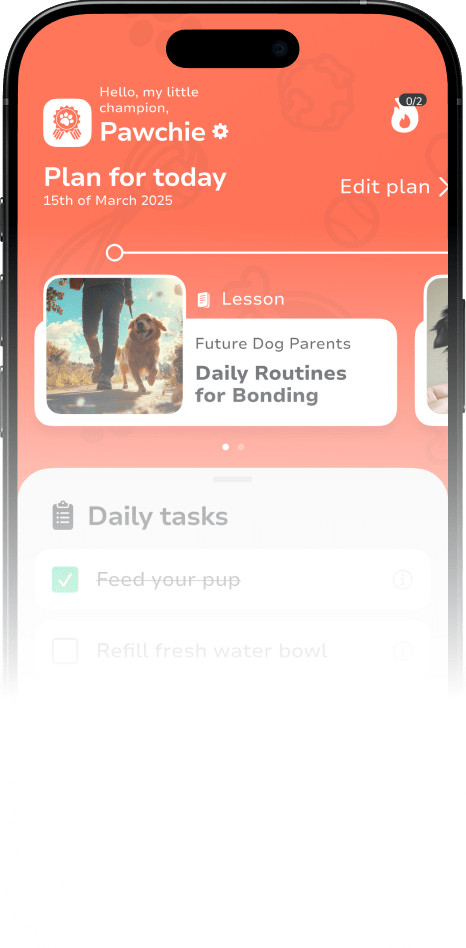
PawChamp ti supporta con passaggi basati su esperti, progressi tracciabili e guida extra quando ne hai bisogno.
Se vuoi un po’ di struttura in più mentre affronti questo problema, l'appPawChamp può guidarti passo dopo passo. Trasforma queste idee in un piano chiaro da seguire a casa, con tecniche supportate da esperti, esercizi semplici e progressi che puoi monitorare nel tempo—così non dovrai più chiederti cosa fare ogni volta che prendi le chiavi.
Perché alcuni cani faticano a stare da soli?
I cani non si agitano senza motivo. Sono creature abitudinarie e quando il loro mondo cambia improvvisamente—magari hai iniziato un nuovo lavoro, ti sei trasferito in una casa diversa o qualcuno che amavano non c’è più—può scuotere il loro senso di sicurezza. I cani del canile, in particolare, possono avere esperienze di abbandono passate, che li rendono più inclini all’ansia quando restano soli.
Alcuni cani sono semplicemente fatti così. I cuccioli a cui non è mai stato insegnato come stare da soli possono crescere sentendo che ogni separazione è la fine del mondo. Altri sono semplicemente molto attaccati. Se il tuo cane ti segue da una stanza all’altra come un’ombra a quattro zampe, potrebbe aver bisogno di un po’ di aiuto per imparare a stare bene da solo.
L’ansia da separazione è un problema comportamentale difficile, non un problema di disobbedienza, ma con pazienza e gestione attenta possiamo aiutare i nostri cani a sentirsi sicuri e rilassati quando sono a casa da soli.
Come si manifesta l’ansia da separazione nei cani?
È una cosa se il tuo cane è un po’ giù quando te ne vai. È un’altra cosa se va in modalità panico totale. Se torni a casa e trovi mobili masticati, senti abbaiare senza sosta dalla tua telecamera di sicurezza o trovi “regali” inaspettati sul pavimento (anche se il tuo cane è addestrato a fare i bisogni fuori), potrebbe soffrire di ansia da separazione. Altri segni comuni includono salivazione eccessiva, girare in tondo e persino tentativi di fuga—come cercare di scavare la porta come se fosse il protagonista di La grande fuga.
Se noti alcuni di questi segnali e non sei sicuro della gravità, può essere utile avere un secondo parere. La funzione Chiedi agli esperti in PawChamp ti permette di condividere cosa sta succedendo (quando è iniziato, cosa fa il tuo cane quando te ne vai e cosa hai provato finora) e ricevere consigli pratici sui prossimi passi.
Addestramento per l’ansia da separazione del cane
Allora, come aiuti il tuo cane a stare bene quando non ci sei? La risposta non è una soluzione rapida, ma con costanza, pazienza e l’approccio giusto, il tuo cane può imparare che stare da solo non è poi così male.
Addestramento graduale al tempo da soli per cani
Immagina di essere catapultato in una situazione in cui improvvisamente resti solo senza preavviso.
Non è divertente, vero? Invece di sparire per ore, lascia il tuo cane da solo per pochi minuti. Esci di casa, torna e fai finta che non sia successo nulla. Allunga gradualmente il tempo così che acquisisca fiducia nel tuo ritorno.
Come andarsene senza scatenare l’ansia?
Lo capiamo—è difficile andarsene quando il tuo cane ti guarda come se lo avessi tradito. Ma fare un dramma della tua partenza non fa che rafforzare la sua paura. Invece, mantieni i saluti casuali e rilassati. Un semplice “Ci vediamo dopo” (senza abbracci drammatici) basta.
La migliore stimolazione mentale per i cani quando sono soli
Noia e ansia vanno a braccetto. Tenere il tuo cane mentalmente impegnato mentre sei via può fare una grande differenza. Un tappetino da leccare congelato, un rompicapo o un gioco dispenser di premi possono tenerlo occupato, rendendo il tempo da solo meno stressante e più gratificante. Assicurati che il tuo cane non sia incline a masticare e mangiare i giochi che gli lasci.
Ansia da separazione del cane: i migliori giochi
Se il tuo cane ti segue ovunque (anche in bagno, sì, sappiamo bene com’è), prova ad aiutarlo a sentirsi a suo agio in una stanza separata mentre sei a casa. Dagli un gioco da masticare o un premio e allontanati per 10-30 secondi, poi aumenta gradualmente. Questa piccola abitudine gli insegna che non deve stare incollato a te 24 ore su 24. I giochi interattivi come i rompicapo o le palle dispenser di premi possono tenerlo concentrato e rilassato mentre sei via.
Come può aiutarti PawChamp?
L’ansia da separazione non è solo dura per il tuo cane—è stressante anche per te. Ecco perché PawChamp offre programmi di addestramento supportati da esperti progettati per aiutare i cani ansiosi a costruire fiducia e sentirsi più a loro agio quando sono soli.
Con PawChamp, otterrai:
Piani di addestramento passo dopo passo che aiutano gradualmente il tuo cane a sentirsi più a suo agio da solo.
Consigli di esperti sulle tecniche di rinforzo positivo per ridurre l’ansia.
Idee di arricchimento per mantenere il tuo cane impegnato e mentalmente stimolato mentre sei via.
Aiutare il tuo cane a superare l’ansia da separazione richiede tempo, ma con l’approccio giusto imparerà che stare da solo non è la fine del mondo—è solo un’altra parte della sua routine.
Conclusione
L’ansia da separazione non riguarda la disobbedienza, ma la paura. I cani che vanno nel panico quando sono lasciati soli hanno bisogno di sentirsi al sicuro, non di essere puniti. Con pazienza, gli strumenti giusti e il supporto di PawChamp, il tuo cane può imparare a restare calmo mentre sei via. Ci vuole tempo, ma il cambiamento è concreto, e sì, il tuo divano sopravviverà.