If you’re a new pet parent and are trying to figure out when your puppy needs his puppy vet visits, you probably have some questions.
Very young puppies need to receive a series of vaccines to stay healthy and free of disease. A puppy vaccination schedule works like a series: the early shots start protection while the boosters strengthen it as your puppy’s immune system matures. Taking the right steps ensures your puppy receives an effective dose of the vaccine soon after maternal protection has worn off.
Confused about a puppy vaccine schedule? This puppy vaccination guide shows you the timing, what each vaccine does, and what to ask your veterinarian at each visit.
Key takeaways:
Core vaccines are recommended for all dogs.
A puppy vaccine schedule is a series of vaccines and not just one shot.
The rabies vaccine is usually given at around 12-16 weeks.
Timing is important, and the puppy vaccine schedule is usually every 3-4 weeks.
Never isolate your puppy during vaccines. It’s more about avoiding high-risk areas, such as dog parks, until your puppy is fully vaccinated.
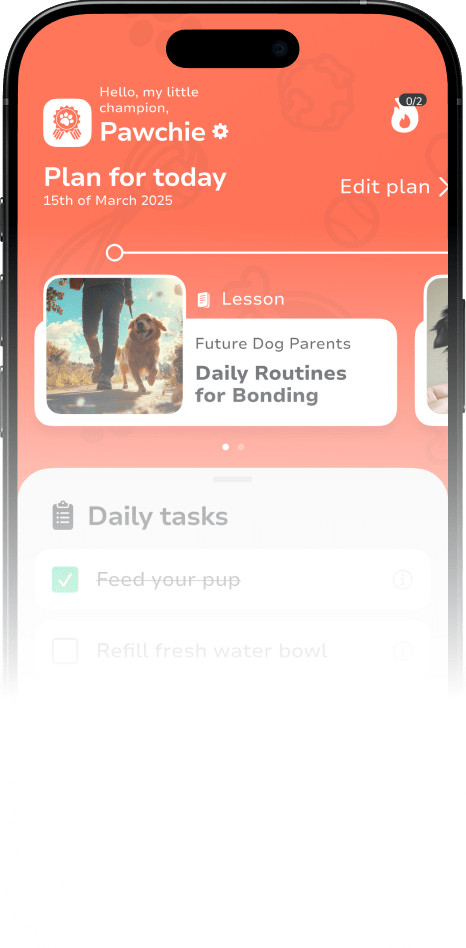
Puppyhood is not only about shots. Handling, calm routines, and early socialization shape behavior for life. PawChamp is an online dog training app for dog parents looking for a modern and personalized approach to raising well-behaved, happy dogs.
Why Puppy Vaccines Are Important
Just like us, dogs receive a certain amount of immunity from their mothers at birth. This is called maternal immunity. The American Animal Hospital Association (AAHA) says that vaccination plans begin with the required core vaccines for all dogs. After that, vaccine plans should be personalized for each dog based on the dog’s lifestyle and exposure risks.
After that, for a short time, puppies will gain this immunity through their mother’s milk. Because maternal immunity gradually wanes, puppies require vaccines every 2 to 4 weeks.
Core vs. Non-Core Vaccines for Puppies
Core vaccines for puppies are part of the puppy vaccine schedule and are important because they prime the immune system to produce antibodies against specific viruses and memory cells. These can mount a stronger response if the same viruses attack the adult dog later in life.
Common core vaccine schedule (typical timing):
8 weeks: DHPP (distemper, adenovirus, parainfluenza, parvovirus)
12 weeks: DHPP booster
16 weeks: DHPP booster + rabies
Common non-core puppy vaccines are optional. Many start around 12 weeks based on product labeling and veterinary guidance.
Common non-core vaccines (at 12 weeks):
Leptospirosis
Bordetella (kennel cough)
Lyme
Canine influenza (H3N2/H3N8)
Rattlesnake (region-dependent)
16 weeks: boosters for the above, as applicable
During the early months of a puppy's life, they are at the highest risk of getting sick.
Once your puppy has completed the required immunization series, inquire about titer testing rather than annual boosters.
💡 Tip:
Non-core vaccines are not “extra for no reason.” They’re picked based on lifestyle, exposure risk, and region, so the right list depends on your puppy’s real life.
Puppy Vaccine Schedule by Age
Peggy Adams Animal Rescue League recommends starting a puppy's vaccinations at 9 weeks of age, when immunity from their mother begins to fade.
Puppy vaccinations in the puppy vaccine schedule provide the necessary protection and should be administered every 2 to 4 weeks until the puppy is 16 weeks old.
If you own a specific breed or live in a high-risk area for certain diseases, your vet may recommend that your pup get his last vaccines at around 18–20 weeks old. Use the puppy vaccination chart below as a reference for the age-based recommendations most veterinarians recommend.
Puppy Shots Schedule at 6, 8, 12, and 16 Weeks
All puppies need to receive core vaccines and certain non-core vaccines. While over-vaccination has negative effects, and most vets avoid it, it’s nevertheless important to keep your puppy protected from the most common infectious diseases. A puppy vaccination schedule largely depends on where he lives and the presence of other animals.
By 14 to 16 weeks, a puppy has completely lost its immunity to disease. This is why a puppy receives a series of vaccinations: to ensure the immune system responds appropriately to the vaccine. Puppies should receive their core vaccines at 12 weeks of age.
Puppy Booster Shots and Vaccination Intervals
Puppy booster shots and intervals typically begin at 8 weeks and end around 18 weeks. Keep in mind that the final vaccine is the most important of the immunization series.
Your veterinarian will recommend that your puppy be immunized at 3- to 4-week intervals, beginning at 8 weeks of age. It's best to consult with your veterinarian during puppy visits and to review a puppy health care guide.
During puppy vet visits, ask your veterinarian when boosters are needed after the first vaccine series is completed. Your puppy may do best with a different puppy immunization schedule better suited to his health, breed type, lifestyle, and where he lives.
Rabies Vaccine for Puppies and Legal Timing
We've all heard about Rabies and how fatal it can be to humans and pets. Rabies can kill your puppy and is caused by a virus that enters your pup's body through a scratch or bite from an infected animal.
💡 Did you know?
Rabies is transmitted through saliva and can spread if saliva comes into contact with an open wound. It is deadly because it travels to the brain and causes inflammation.
Puppies are vaccinated against rabies as part of their puppy immunization schedule. The duration of immunity to a rabies vaccine is at least 5 years, with non-adjuvanted recombinant rabies vaccines producing good antibody responses in previously vaccinated dogs 14 days after administration.
1. Vaccination Mandate
Rabies vaccination is a legal requirement in the U.S., and the timing is set by local rules, not personal preference.
First vaccine: Required between 12-16 weeks of age (varies by state).
Boosters: First booster at 1 year, then either annually or every 3 years, depending on:
State/local laws
Type of vaccine used (1-year vs. 3-year labeled)
Veterinarian's protocol within legal limits
2. Proof of Vaccination
Some states allow for exemptions from vaccination requirements. Nonetheless, it's essential to discuss rabies vaccination exemptions with your veterinarian.
You must keep and provide:
Official rabies certificate (not just a clinical receipt)
Tags on your pup's collar (a must-have in numerous states)
Vaccination certificate typically shows:
Pet description (breed, color, age, sex)
Vaccine manufacturer, serial number, and expiration
Veterinarian's signature and license number
Date the rabies vaccination was administered
3. Legal Consequences of Non-Compliance
Skipping rabies vaccination can trigger legal and public health actions, especially after a bite or exposure incident.
For Pet Owners:
Fines: Up to $2000 for unvaccinated dogs
Quarantine: Very long and costly quarantine times if exposed
Impoundment: Animal control may remove unvaccinated pets from your home.
Legal liability: Full financial/legal responsibility if your puppy exposes humans or other animals
Euthanasia orders: In some exposure cases, unvaccinated pets may be ordered destroyed
Puppy Vet Visits and Wellness Check List
Today, veterinarians may offer a package of separate vaccine components, if available, instead of administering all vaccines at once. Studies show a higher incidence of adverse reactions when multiple vaccinations are administered simultaneously.
Some puppies also have temporary routine disruptions after vaccines, including more accidents if they’re resting more or drinking differently. If potty training slips during that week, it doesn’t mean you’re back to zero. PawChamp’s Puppy Potty Course helps you reset the routine without using punishment.
Nonetheless, your puppy must be up to date on his vaccines and have regular health checkups as part of his vaccination plan. Vet visits aren't just for shots. Each veterinary appointment is a complete health review. Here's what should be covered:
Vaccination Side Effects in Puppies and Safety Tips
A puppy vaccination schedule by age is generally safe for most puppies, but there's a slight chance that your puppy may have some side effects. You should closely monitor your puppy's behavior and health after vaccinations, and consult your veterinarian if you notice any side effects.
Some of these adverse reactions include:
Allergic reactions (mild)
Seizures
Tenderness at the vaccine site
Reduced appetite
Fever
Nasal discharge, coughing, or sneezing (nasal vaccines)
Some breeds also have an increased risk of vaccine side effects. These include the following:
Miniature Dachshunds
West Highland White Terriers
Old English Sheep Dogs
Akitas
Also, dogs with coat color dilutions, such as double dilute Shetland Sheepdogs and Harlequin Great Danes
When is a Puppy Fully Vaccinated and Safe to Socialize
A puppy is considered fully vaccinated approximately 2 weeks after receiving their final set of puppy shots, which typically occurs at 16–18 weeks of age. This final set must include:
DHPP (Distemper, Hepatitis, Parvovirus, Parainfluenza)
Rabies (as required by law, usually at 16 weeks or older)
💡 Why the 2-week wait?
It takes about 10–14 days after vaccination for a puppy’s immune system to build complete protective immunity.
Keep in mind that between maternal antibody decline and vaccine-induced immunity, there’s an immunity gap where your puppy is not protected against a disease during their vaccination series. This is why you should be careful when introducing your puppy to other dogs and puppies to protect their long-term health.
Veterinary Consensus Guideline
A puppy’s vaccination protection doesn’t happen right away. It takes time. Low-risk exposure to other pets and environments can help protect your puppy from infectious diseases transmitted by fungi, internal parasites, bacteria, and viruses.
Most veterinarians recommend this approach:
Start socialization at 7–8 weeks
Use controlled environments until 16 weeks
Complete core vaccines at 16–18 weeks
Wait 2 weeks for complete immunity
Gradually expand experiences from 18–20 weeks onward
The most significant risk is not disease exposure alone; it’s also behavioral problems from lack of early socialization.
Puppy’s Vaccination Records, Reminders, and Cost
Puppy vaccination records are health records that show the vaccines that your puppy has already received and what he is still due for. It’s important to bring all your puppy's health records to your first vet visit. This includes breeder information, your puppy’s paperwork from the breeder, and any information you have about your puppy’s health, vaccine records, stool, and blood tests. Vaccination records show a dog vaccination timeline and are used for boarding, travel, puppy training classes, and grooming appointments.
If you’re already organizing health records, it’s a good time to organize behavior basics too. PawChamp helps you build simple everyday habits like cooperative handling, calm routines, and early training foundations that support smoother vet visits and daily life.
Without the required vaccinations and health records, your veterinarian will likely need to start from the beginning and may need to repeat veterinary care. This can be an unnecessary expense for you.
What’s Included in Official Records?
If any of these are missing, your paperwork may not be accepted for boarding, grooming, training classes, or travel.
Vaccine name, manufacturer, and serial/lot number
Date administered and next due date
Veterinarian's signature, license number, and clinic stamp
Pet identification (name, breed, color, age, microchip number)
Rabies tag number (often attached to the certificate)
Where to Keep Records:
The goal is to have proof available in 30 seconds when a groomer, trainer, or check-in desk asks for it:
Physical Copy: In a waterproof folder with other essential documents
Digital Backup: Scan or photograph; store in cloud storage (Google Drive, iCloud)
Mobile Access: Use your vet's app or take a clear photo for your phone's gallery
Multiple Copies: Keep one at home, one in your car, and share with pet sitters/boarders
Vaccination Reminders: Never Miss a Due Date
Pet owners can now use AI pet vaccination reminders to manage their puppy vaccination schedule. Pet vaccination trackers help ensure you never fall behind on your puppy vaccines. You can add unlimited pets and easily view upcoming and completed vaccines.
Automated Systems
If you’re likely to forget dates, use one of these so you do not miss the final doses that actually complete protection.
Veterinary Clinic Reminders: Most clinics send email/text reminders
Pet Health Apps: Many clinics have proprietary apps with reminder functions
Insurance Provider Alerts: Some pet insurance companies include reminder services
Vaccination Costs
The puppy vaccination cost will vary across the world and from state to state, depending on where you live. If you're on a budget and need to save on veterinary costs, reach out to your local shelter, where puppy vaccination costs is generally lower. Animal rescues offer Wellness Clinics for dogs and cats, where you can book vaccine appointments.
Puppy vaccine costs range from $15 to $100 per dose, depending on the vaccine. Puppies need many more vaccines in their first year and a half, while adult dogs need revaccinations annually or every three years, depending on the vaccine.
How PawChamp Helps With Puppy Routines During the Vaccine Schedule
A puppy vaccine schedule can make life feel like a calendar full of rules: boosters, waiting periods, and “safe vs. not safe” places. PawChamp helps you use that time well by giving you simple, trainer-led routines you can practice at home, so your puppy is still learning good habits while you follow your vet’s timeline.
Here’s what you get:
Clear, age-appropriate routines for puppies that fit between vet visits and booster intervals
Calm handling and cooperative-care basics, so your puppy is easier to examine, groom, and gear up over time
Simple training steps that support safer socialization choices while you’re avoiding high-risk areas
Chance to ask experts for guidance, which you can follow at your own pace when you want structure instead of random advice
Bottom Line: Don’t Skip Out on Your Puppy Vaccine Schedule
Puppy vaccine frequency is important in protecting your puppy against disease. While core vaccines are recommended for all puppies, there are many non-core vaccines that may be necessary for your puppy depending on his lifestyle.
A puppy vaccination schedule is an important cornerstone of preventive healthcare and one of the most affordable ways to maintain good health, longevity, and quality of life. Maintaining an ongoing veterinary dog vaccination checklist, you’ll ensure that protection remains effective, your pet stays healthy, and you avoid costly veterinary bills associated with life-threatening diseases.