It's one of the hardest parts of being a dog parent: not knowing when something is truly wrong. One day, your pup seems fine, and the next, they're acting off, but is it serious? Should you wait it out or book a dog vet appointment?
Dogs can't tell us when they're hurting. That's why it's so important to recognize the early signs your dog needs to see the vet, before small issues become big ones.
Key takeaways:
Learn how to spot early signs of dog health problems before they turn serious
Understand the difference between normal behavior changes and dog health symptoms that need a vet visit
Recognize subtle dog sick signs that often get missed, like hiding, increased thirst, or licking one area
Know the clearest dog health warning signs that may point to serious dog health issues
Identify dog medical emergency symptoms that require an emergency vet right away
Understand how vets use dog veterinary diagnostics to confirm dog medical conditions
Use PawChamp resources and the Ask Experts feature to decide when to monitor at home and when to book a dog vet appointment
You don't have to figure it out alone: PawChamp app is here to support you every step of the way!
Normal Dog Behavior vs Symptoms That Need a Vet Visit
Not every sneeze is cause for concern, but how do you know when it is?
Dogs go through mood changes and off-days just like we do. But, persistent changes or new dog health symptoms are often a red flag.
Early Signs of Dog Health Problems
Some mild things to keep an eye on include low energy, skipping a meal, or a brief limp that resolves quickly. If any of these stick around, it's time to think about a dog health evaluation. Even small behavior changes can be early dog medical symptoms.
Subtle Signs Your Dog Needs to See a Vet
Sometimes, the biggest problems start with the tiniest clues.
Dogs are great at hiding pain, so early dog sick signs are often easy to overlook. These include not just how your pup looks but how it acts. Beware these dog health warning signs:
1. Drinking more water than usual
2. Hiding or withdrawing from the family
3. Licking one area excessively (especially paws or joints)
4. Bad breath or increased drooling
5. Unexplained weight loss or gain
6. Restlessness or pacing without a clear cause
7. Changes in how often they urinate or defecate
8. Hesitation to jump or use stairs
These seemingly minor changes could point to serious dog health issues or hidden dog medical conditions.
You don't need to panic, but you do need to check in with your vet. That's where a proper dog health check or dog health assessment comes into play.
💡 Did you know?
According to the AVMA Pet Ownership Report in 2022 (American Veterinary Medical Association), 76% of canine owners reported taking their pooch to a veterinarian within the past year, while 14% hadn't in over two years, and 10% hadn't in three or more. That leaves a quarter of dogs without recent care, despite how important routine dog medical care really is.
When to Take Your Dog to an Emergency Vet?
Some signs aren't subtle, they're straight-up emergencies. And in those moments, every second counts.
If your pup suddenly can't breathe properly, collapses, shows signs of extreme pain, or has a bloated abdomen, don't wait. These are dog medical emergency situations that require fast dog veterinary care from trusted dog health practitioners or dog medical professionals.
Once again, if your furry friend has one of the following dog health concerns, contact your vet immediately:
Trouble breathing or persistent coughing
Sudden collapse or loss of consciousness
Stiff, swollen, or bloated abdomen
Seizures (even if they stop quickly)
Excessive bleeding or open wounds
Extreme pain, trembling, or high-pitched vocalizing
Pale gums or signs of shock
Inability to stand or walk normally
Even if you're unsure, always trust your instincts. Better safe than sorry.
💡 Pro tip:
Save the number of your local dog emergency vet on your phone. Future-you will thank you.
How Vets Diagnose Dog Health Problems?
So, what happens when you show up at the clinic?
Vets rely on both observation and advanced tools to understand what's going on. They'll likely run a full dog medical examination, including tests like bloodwork, X-rays, or heart screenings.
Modern dog veterinary diagnostics make it easier to detect issues before dog clinical signs even appear. That's why regular dog health monitoring isn't just helpful—it's essential.
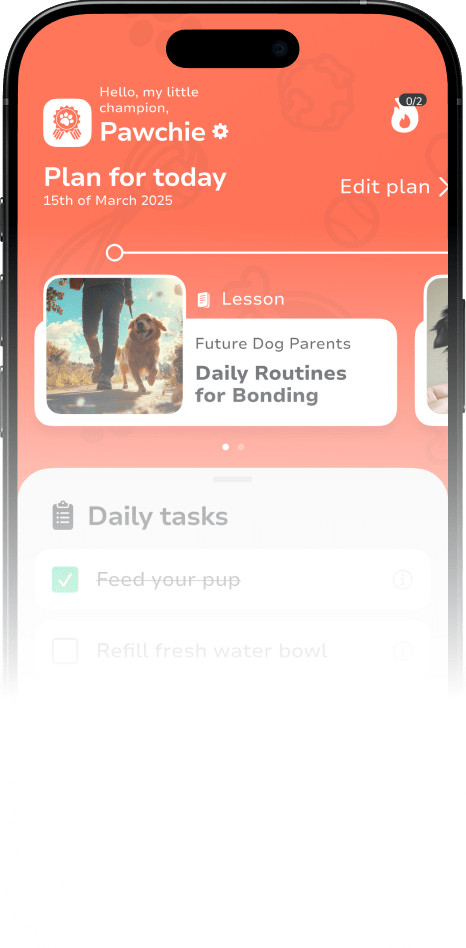
If you’re ever unsure whether something is “wait and watch” or “call the clinic,” the Ask Experts feature in the PawChamp app can help you sort it out. You can describe your dog’s symptoms, behavior changes, and routine, and get guidance on what to monitor at home, what questions to bring to your vet, and when it’s important to book an appointment sooner rather than later.
It’s not a replacement for veterinary care, but it can help you recognize red flags and make a more confident decision about when it’s time to go in.
Why Regular Vet Checkups Matter for Dog Health?
It's easy to skip the vet when your pup seems fine.
But here's the truth: regular dog wellness checks help catch problems early. They also give your vet a baseline for your dog's "normal," so even small shifts in dog health indicators are easier to catch.
Many owners skip these visits because they think everything's fine. Or they're not sure it's "worth" the cost. But think of it like insurance. With consistent dog health screening, you're catching issues before they grow.
💡 Pro tip:
Want to help your vet help your pup? Keep basic notes on food, energy, and behavior. It makes dog health consulting vets more efficient and accurate.
How PawChamp Helps You Decide When to See a Vet?
Not sure whether to call your vet? That's where we come in.
PawChamp offers expert, no-pressure support when you're unsure if it's time for a dog vet checkup or just a day of rest. We help decode PawChamp dog vet signs, provide clear health checklists, and answer your questions through our "Ask a Dog Expert" feature. PawChamp is not a healthcare provider but rather just a coach who's ready to point in the right direction at the right time.
You'll also get smart, personalized insights through our articles. Our PawChamp reviews show that our information helps deliver peace of mind to dog parents.
Bottom Line: Emergency Vet Visit or Just a Bad Day?
You don't need to be a vet to know something's wrong, you just need to pay attention. The earliest dog health alerts can be quiet. A shift in mood. A little limp. Skipping dinner. But catching those changes and knowing when to act can be life-saving. Routine care, quick response to dog veterinary symptoms, and a little backup from your experts at PawChamp? That's the trifecta of great dog health care.