Traveling with a dog sounds simple until you’re dealing with a restless passenger, a surprise hotel rule, or a last-minute paperwork problem. Dogs don’t automatically handle new places calmly, even if they’re perfect at home, so travel can bring out stress, motion sickness, barking, or escape attempts at the worst possible moment.
Good planning keeps the trip boring in the best way. The American Veterinary Medical Association (AVMA) says that when considering interstate or international travel with pets, it’s best to plan at least six months in advance.
Countries, territories, states, and even public modes of transportation have requirements and restrictions on transporting animals.
Key takeaways
Plan paperwork and destination rules early, especially for interstate or international travel
Use a secured crate or a crash-tested harness for car travel, and never leave your dog in a parked car
Pack a tight dog travel checklist: ID, records, meds, familiar food, and a first aid kit
Prepare your dog with travel basics before you go: confinement, settling, leash manners, and door safety
Watch for stress signs early and take breaks before your dog escalates
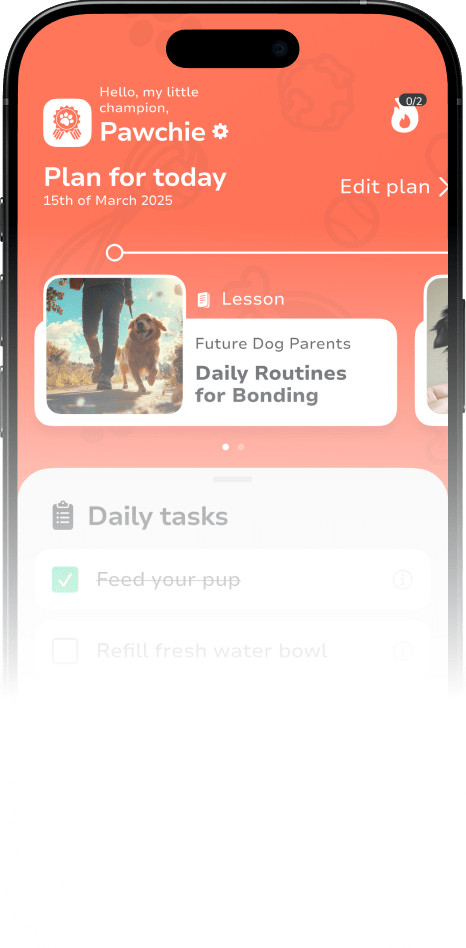
Travel stress usually isn’t fixed on travel day. It’s fixed in the weeks before, through small skills like settling, door safety, and short practice rides. PawChamp is an online dog training app for dog parents looking for a modern and personalized approach to raising well-behaved, happy dogs.
Traveling With a Dog Basics: How to Travel With a Dog Safely
Is your dog healthy enough to travel? Start with a quick vet check if your dog is older, has a medical condition, or hasn’t traveled before. Next, decide whether you’re traveling by car or by plane, since safety rules and paperwork differ.
💡 Tip:
Heatstroke is a potentially fatal condition, so never leave your dog in a parked car, even for a short stop.
If you’re flying or crossing state lines or borders, bring your dog’s vaccine records and any required health certificates. Travel rules vary by destination and transportation method, so check requirements early.
Once transport and requirements are handled, book a pet-friendly hotel in advance and review the property’s pet rules and protocols regarding other guests and pets.
Dog Travel Checklist and Pet Travel Essentials
You’ll want to discuss traveling with a dog with your veterinarian, most especially if you’re flying internationally. Flying with a dog and preparing for travel overseas with a dog is very different than flying or driving within the US.
💡 Tip:
Always avoid changing your dog’s diet while on a road trip with your pup, as this can increase the chances of car sickness.
Before leaving on your trip, visit a professional groomer for a wash and groom. You’ll also need to bring along some pet travel essentials that will ensure your pup’s comfort, safety, and health. These include:
Pet medications, veterinary records, and supplements in sturdy, weatherproof, and dog-proof containers
Current ID tags with cell phone number, name, and contact number of the hotel destination, or a family or friend’s phone number
Two or more sturdy leashes with an extra-durable waterproof collar or harness
Pet bedding for the car and in hotel rooms
Basic dog grooming supplies and a few favorite dog toys
Pet first aid kit with an effective pet sunscreen and paw balm if needed
A current photograph of your pup in case he gets lost.
Your veterinarian’s phone number and an emergency vet number at your destination
Travel setup: pet crate or car seat belt
Double up on durable water and food bowls
Fresh water, dog treats, and dog food
Tranquilizers, only if prescribed by your vet
Preparing Dog For Travel: Routines, Training, and Travel Commands
If your pup is predisposed to excessive barking, separation anxiety, or potty accidents when you leave him alone in the hotel room, provide him with a comfortably sized crate or pen.
The best way to prepare your dog for travel is to train him in basic obedience training. Your dog should be able to:
Walk loosely on a leash
Come when called
Wait calmly at doors so they don’t bolt when one opens
If your dog struggles with getting overexcited in new places, it helps to practice a few basics at home first, then slowly raise the difficulty. PawChamp breaks these travel-friendly skills into simple, repeatable steps you can practice before you leave.
Confinement Training: Crate and Car Setup
All commercial airlines require dogs to remain in crates while traveling. This includes while waiting to board and while moving through the airport. Service dogs are often exempt from this.
If you’re traveling by car, your dog will need to be in a crate or use a dog seat belt for your safety and your dog’s.
Training your dog to get used to being confined before a road trip or flying with a dog will help your dog relax and ensure dog comfort during travel.
Teach Your Dog Behavior Modification Techniques to Reduce Anxiety
If you plan on flying with your dog or enjoying a road trip, you should understand your dog’s triggers for car-related anxiety, or treatment for this may include behavior modification and medication.
If your dog shows signs of car-related anxiety, your vet may recommend behavior modification, and, in some cases, medication. VCA adds that a pheromone like Adaptil can make a difference in preparing for traveling. Here is an example of desensitization and counterconditioning for a road trip with a dog:
1. Teach your dog to settle down and remain calm as part of the behavior modification plan. Use some pheromone dabbed on a towel and placed in the crate or car seat to help your dog relax. Practice the ”settle cue” with your dog at home in the PawChamp app first before traveling with a dog.
2. Look at all the triggers during car travel and approach each one in a calm way, introducing each trigger calmly, so that you don’t stress your dog. Reward your pup as you work through each of his triggers.
3. Understand your dog’s reaction to being stressed by observing what he does, like excessive panting, whining, pacing, or salivating, and even pinning his ears back.
4. Take short drives around your neighborhood, and if a stress response is noted, end the session.
Road Trip With a Dog: Dog Car Travel Tips, Safety Belt vs Crate, and Motion Sickness
There are many things you can do to make a road trip with a dog more fun. Before leaving on your car trip, safely restrain your dog. If your pup has car sickness, let your veterinarian know.
If your dog is healthy, your vet may prescribe medication to help your pet relax during long car trips. Dogs must be safely restrained and should also never sit in the front passenger seat, since airbags can cause serious injury.
Traveling with a dog requires plenty of preparation. Here are a few travel tips to allow for safe travel for dogs:
Pack a pet-friendly travel kit. This should include your dog’s food and water, bowls, leashes, harnesses, plastic bags, a grooming kit, pet meds, and a first-aid kit
Pack your dog’s favorite toys and treats, along with his blanket and a small pillow
Include a lightweight, durable dog bed designed for pet travel that offers comfort and protection
Try to avoid feeding your pup in the car, and feed three to four hours before departure
Pack enough bottled water and dog snacks. Try to avoid giving your dog water from running taps and rivers away from home. Drinking water from an area they’re not used to could lead to stomach upset
Exercise your dog before leaving, so that he’s tired when you get going
Prepare your dog for a pet travel routine by letting him take short day trips with you
Minimize stress 24/7! A combination of chamomile and Blue Cypress essential oils helps anxious dogs
Safety Belt vs Crate
If you’re going to be traveling with a dog, use slip covers over the car seat your dog is sitting on. In this way, you can wash the cover when you arrive at your destination, and you’ll have a clean car.
For dog travel, crates offer good protection and are designed to optimize your dog’s safety. Just make sure that your crate has adequate ventilation, and line the floor with blankets and some toys. If you’re using a dog car safety harness, make sure it fits snugly.
Although seat belt harnesses work for most breeds, they may not be suitable for smaller breeds.
If you’re unsure which setup is best for your dog, ask your veterinarian for guidance based on size, age, and travel needs.
Crates Are Best for Pet Car Travel
If you’re traveling with a dog in the car, the AVMA recommends using a crate. The AVMA adds that two behaviors are particularly dangerous when traveling. This includes:
Leaving a dog loose when driving
Leaving a dog alone in a car because temperatures can fluctuate
Loose dogs in a moving car can be injured in a crash or sudden stop. They can also be thrown through a window or struck by debris if they hang their head out. The AVMA also advises against traveling in the bed of a pickup truck.
The AVMA adds that dogs should always be restrained while in the car with you and that you shouldn’t drive a pickup truck with a dog in the truck bed. Some things that could go wrong with loose dogs while driving include:
During a car crash, an unrestrained dog could get crushed by a deployed airbag.
Dogs can be thrown through windows or windshields when the brakes are applied in an emergency or during a car crash.
If a dog hangs his head out of the window while driving, he could get head injuries from flying debris or get struck by traffic.
Use a crate for car travel: ensure it’s large enough for your dog to turn around and lie down comfortably. The AVMA adds that you should always place the crate close to the middle of the car and secure it so it cannot move.
Safety Belt and Harness
If you’re taking your dog in the car, always use a restraining harness if you’re not using a crate.
Car harnesses for dogs are very different from the ones you use for walking your pup. Opt for crash-tested harnesses that attach to your car’s seat belt and keep your dog sitting upright instead of lying down.
Flying With a Dog: Pet Carrier Requirements, Airline Pet Policy, and Keeping a Dog Calm on Planes
Every airline has its own regulations for transporting dogs. They also set the number of dogs allowed to fly per flight.
You will always need your dog’s paperwork, including vaccination records, and most likely a Certificate of Veterinary Inspection.
Breed restrictions can come up, especially for brachycephalic (short-nosed) dogs and some large breeds, because flying can increase the risk of respiratory distress. Even when a breed is allowed, airlines may restrict travel during hot or cold weather.
💡 Just an example:
American Airlines has a ban on flying Chow Chows. United Airlines has a ban on the bully breeds, large breeds, and brachycephalic, short-nosed dog breeds that may experience respiratory distress when flying.
Always look at your airline's pet policy and try to opt for in-cabin pet travel. Pet airlines like K9 Jets offer private charter flights where you can fly together with your pets and other pet parents.
Long-Distance Travel With Dog: Feeding Schedule, Hydration Tips, and Potty Breaks
If you’re planning long-distance car travel with your dog, research your route, plan your trip and book pet-friendly hotels ahead of time. Before you leave on that trip, call your veterinarian for a complete health check-up to ensure that your dog is healthy enough to travel.
If you’re flying, in-cabin travel is sometimes possible for small dogs under 20lbs, depending on your airline’s rules and carrier requirements. In-cabin travel also makes it easier to manage water, treats, and medications. Dogs need access to plenty of water, and providing fresh water during potty breaks prevents dehydration.
If you’re traveling by car, plan on doing the following:
Plan to stop every two hours to give your pup a break
To avoid motion sickness, avoid feeding a large meal before travel
Include walks to allow your dog to stretch during potty breaks
Bring fresh water and allow for adequate hydration
Always keep your dogs on a leash and choose pet-friendly rest stops
Bring plenty of poop bags
Dog Travel Anxiety: How to Calm a Dog While Traveling and Spot Stress Signs
Dog anxiety and traveling with a dog don’t have to go hand in hand. You need to see the triggers before he does. When traveling, you need to continually monitor your dog’s emotions and behavior.
If you notice he’s starting to get worked up, play calming music by PawChamp and plan a potty stop where he can stretch and take a break. Pets may become restless, salivate, howl, whine, vomit, or bark when stressed during travel.
Preparing Dog for Travel to Avoid Stress
The goal is to practice “mini versions” of travel before the real trip, so new places and routines feel less intense:
Socialize your dog at restaurants, shops, and hotels before your trip
Expose your dog to as many different environments as possible, with plenty of foot traffic and noise, before traveling
Make sure your pup understands “sit,” “stay,” and “come”
Visit your veterinarian before a road trip or flight with a dog to get pet meds for car sickness
Crate-train your dog months before a flight or road trip, or, if you do not have time to do this, ask your veterinarian for a fast-acting anti-anxiety medication
Don’t wait until the next trip to troubleshoot it. In PawChamp, you can use Ask a Dog Expert to describe what happens (car, hotel, crate, new noises) and get guidance on safer next steps to practice before your next outing.
Dog-Friendly Travel: Hotels, Dog-Friendly Destinations, and Dog-Friendly Rest Stops
For all pet parents who love to travel with their pets, there are many really good pet-friendly hotels in the US and worldwide today. Inquire about pet-sitting services and 24-hour mobile vets in case your dog requires veterinary care.
Always choose a pet-friendly hotel and pet-friendly airline that follows established pet safety policies.
Vet Check Before Travel: Health Certificate, Pet ID and Microchip, and a Dog First Aid Kit
Traveling with a dog means ensuring that your pet is up to date on all his vaccines, including Rabies. International pet travel means working together with a USDA-accredited veterinarian as soon as you decide to travel. They will help you with all the pet entry requirements, such as:
Needed vaccinations
Tests
Treatments
Obtaining a USDA-endorsed pet health certificate
Update your medical records and Microchip ID
How PawChamp Helps With Dog Travel Anxiety and Travel Training
Traveling with a dog is harder when you’re trying to solve everything at once: the crate, the car, the hotel, and a brand-new environment. PawChamp helps you prepare ahead of time with clear, trainer-led routines so your dog has a better chance of staying calm and manageable during real trips.
Here’s what you get:
A simple, step-by-step way to practice travel basics before you go, like settling, short confinement practice, and calmer transitions
Practical guidance for common “trip problems” like barking in new places, door-dashing, and stressy behavior in cars or hotel rooms
Easy training routines you can repeat in short sessions, so preparation doesn’t turn into a huge project
Ask a Dog Expert support when you want help troubleshooting what’s actually triggering your dog’s stress (car movement, restraint, unfamiliar sounds, or being left alone in a new place)
Bottom Line: Have a Dog Travel Checklist Ready Before You Head Out
Travel goes better when you pick the simplest option your dog can handle and prepare for it early. For many dogs, that means a road trip with a secured crate or crash-tested harness, predictable breaks, and familiar routines. Flying adds paperwork, carrier rules, and stricter restrictions, so it usually takes more planning and more practice.
Opt for dog-friendly communities and towns that feature dog-friendly activities. Plan ahead so that when you reach your destination, you can have a great time with your dog.