Worried about puppy biting problems, growling, or scary zoomies? You’re not alone. Many new owners ask, “How to tell if my puppy is aggressive?”, or “Why is my puppy so aggressive?”. The truth: most pups show normal puppy behavior vs aggression that just needs guidance. Use this “Is my puppy aggressive?” quiz to separate play from risk, learn puppy aggression signs, and walk away with a practical puppy aggression training plan.
Quick take: Much of an aggressive puppy's behavior stems from over-arousal, teething, or fear. With structure, positive reinforcement for biting control, and smart puppy socialization tips, you can turn things around.
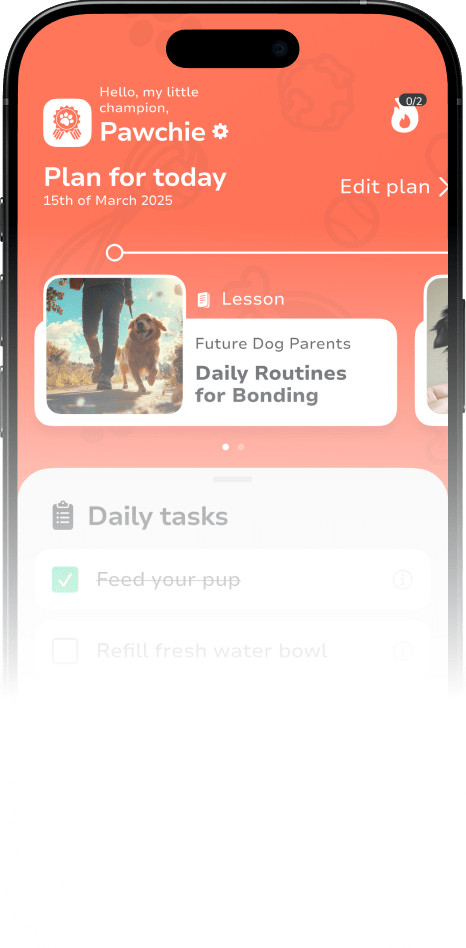
Once you’ve got a clearer picture of what’s going on, the next step is knowing exactly what to do about it. An obedience personalized plan gives you a simple roadmap based on your dog’s current skills — what to focus on first (like impulse control, reliable cues, and calm check-ins), how to practice, and how to build stability around real-life triggers.
Puppy Play or Aggression? Signs to Watch in Body Language
Play looks wiggly, loose, and bouncy. Puppy body language includes soft eyes, a curvy spine, self-handicapping, and quick recoveries after yelps. Puppy growls during play can be normal, especially with tug, as long as the body stays loose.
Aggression or risk looks stiff and serious: hard stare, closed mouth, slow tail wags at half‑mast, freezing before a lunge, repeated biting and growling that escalates under stress, and guarding food or space (puppy resource guarding).
💡 Note:
Fatigue and pain can make a biting and growling puppy worse. Always rule out medical issues with your vet.
“Is My Puppy Aggressive?” Quiz
How to answer: Think about the last 7 days.
Scoring: YES = 1 point, NO = 0 points.
Total your points at the end.
1. Outside of play, my puppy freezes or hard stares when I reach to touch/collar them.
2. Biting leaves marks or bruises (not just light mouthing).
3. Puppy growls during play and escalates when the other dog or I try to stop.
4. I see puppy resource guarding (food/toy/bed): stiffening, growling, or snap on approach.
5. My puppy snaps at me when picked up, moved off furniture, or blocked from a doorway (puppy aggression toward owner).
6. Evening “witching hour” = overstimulated puppy biting; toys/hard chews don’t help much.
7. After excitement, my puppy can’t settle within 5 minutes (pacing, scanning, puppy frustration barking).
8. Startle or handling makes my pup tense, and recovery takes longer than 30 seconds (possible puppy fear period sensitivity).
9. On leash or at the window, my puppy barks/lunges at dogs/visitors (reactive pattern).
10. My puppy blocks or guards me from others.
Results
Add up your YES answers (0-10):
0-2 (Green) – Playful Pup, Normal Range
Mostly normal puppy behavior vs aggression. Focus on structure, naps, and how to stop puppy from biting with toy swaps and brief play pauses.
3-5 (Yellow) – Needs Guidance
You’re seeing puppy aggression signs driven by arousal or uncertainty. Start the puppy aggression training plan (calm on a mat, Drop/Leave‑It, trade games) and follow the puppy socialization tips below.
6-8 (Orange) – High Concern
Multiple risk markers for aggressive puppy behavior or reactivity. Use management (gates, long line, predictable routes), apply reactive puppy solutions, and seek dog trainer advice for puppy aggression.
9-10 (Red) – Urgent
Prioritize safety; book a force‑free trainer or veterinary behaviorist. Introduce muzzle‑training (positive) and avoid confrontations.
How to stop a puppy from biting your hands and feet? (step‑by‑step)
.Puppies biting hands and feet is one of the most common and painful problems new dog owners face. Whether it’s playful nipping or overstimulated biting, it can quickly feel overwhelming. If you want to stop a puppy from biting your hands or feet, this step-by-step guide will help you redirect that energy without punishment and prevent it from becoming aggressive behavior.
1. Pre‑empt arousal. Offer a chew or sniffy break before your pup spins up.
2. Teach a mouth target. Hand Target (touch nose to palm) redirects biting to a job.
3. Reward calm, not chaos. Treats arrive when paws are on the floor and the mouth is off skin.
4. Pause on hard bites. Briefly stop play (5–10 seconds), then invite calmer play—repeat.
5. Swap, don’t snatch. Use trade‑up; return the original object if safe to keep trust.
6. Hands aren’t toys. If the game is “hands,” introduce a toy immediately and reinforce engaging the toy.
💡 Common mistake:
“Alpha” corrections or yelling can turn fear into aggressive puppy behavior. Choose coaching, not combat.
Puppy socialization & the fear period
Aim for three positive exposures a day to help your puppy build a “the world is safe” mindset. Think people (hats, beards, kids, walkers), places (parking lots, quiet cafés, elevators), surfaces (grates, sand, tile, wet grass), and sounds (traffic, doorbells, vacuums, fireworks on low volume). Keep it short and sweet: 30-90 seconds is plenty. Pair each exposure with tiny, high-value treats and leave while your puppy is still comfortable.
Distance comes first. Start far enough away that your puppy can still eat, sniff, and look around. If they freeze, stiffen, tuck their tail, whale-eye, try to flee, bark, or suddenly refuse treats, you’re too close or it’s too intense. Back up until they relax, then reward for simple wins like looking at the thing and looking back at you. A helpful rule: your puppy should be able to take 3-5 treats in a row at that distance.
Use a simple “observe and reward” pattern:
Puppy notices the trigger → mark (“yes”) → treat
Then move away, sniff, or switch to an easy cue like hand target
This teaches that new stuff predicts good things and that checking in with you is safe.
Expect fear periods. Many puppies hit a fear phase around 8-12 weeks, and many dogs have another during adolescence (often roughly 6-14 months, depending on the dog). During these windows, your puppy may suddenly act wary of things they were fine with yesterday. That’s normal.
What matters is what you do next:
Be gentle and avoid pressure (no forcing greetings, no dragging closer)
Keep sessions brief and end on a win
Choose predictable environments for a few days
Focus on confidence-building games: sniff walks, treat scatters, easy training, and calm engagement
What not to do: don’t try to “flood” them by staying close until they “get used to it.” That can backfire and teach the opposite lesson.
If your puppy has a big scare, give them a 24-48 hour decompression reset (quiet walks, enrichment at home) and then reintroduce the trigger at a much easier level with great rewards. Over time, these small, positive reps add up to a dog who can handle the world without fear.
And if you’re not sure whether your puppy is having a normal fear phase or truly struggling, Ask Experts in the PawChamp app can help you make sense of what you’re seeing. You can share your puppy’s age, triggers, and reactions, and get guidance on how to adjust your socialization plan safely—plus signs that it might be time to bring in your vet or a behavior professional.