Życie z psem czasem może być emocjonalną huśtawką (metaforycznie mówiąc). W jednej chwili wykonują wszystkie komendy, których ich nauczyliśmy. A w następnej zastanawiamy się, czy psy mają badanie słuchu.
Dlaczego wczoraj wieczorem pies potrafił usiąść, gdy ćwiczyliśmy, a dziś po południu, gdy są nasi znajomi, już nie!? Może to trudne do przyjęcia, ale musimy wziąć pod uwagę, że nie zawsze chodzi o nas.
Najważniejsze wskazówki i wnioski
Skoro psy nie są robotami, ważne jest, aby brać pod uwagę ich emocje, gdy wydaje się, że nas nie słuchają.
Ćwiczenie przed sytuacjami, w których potrzebujemy, aby pies nas słuchał, pomaga ocenić jego zdolność do reagowania w różnych okolicznościach.
Przebywanie na zewnątrz wiąże się z własnymi wyzwaniami, które psy muszą poznać, jeśli oczekujemy, że zignorują otoczenie i będą nas słuchać.
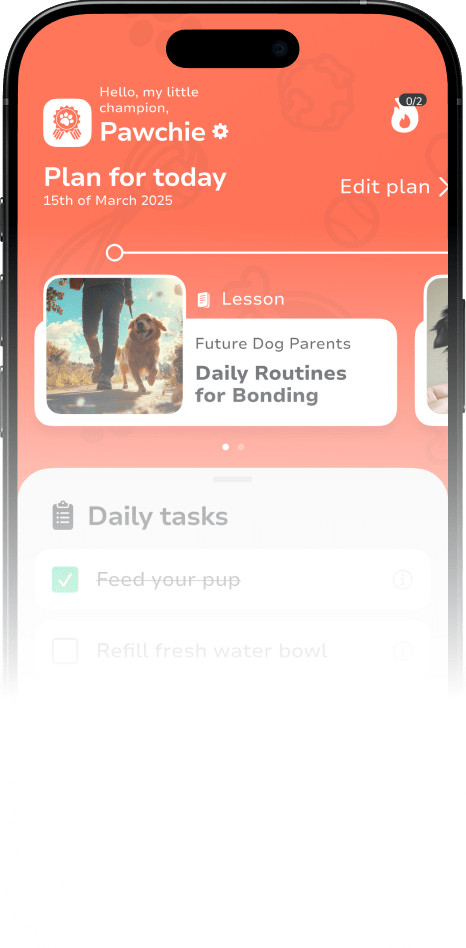
Aplikacja PawChamp oferuje wsparcie w postaci programów krok po kroku oraz całodobowej pomocy ekspertów, dzięki czemu nie musimy wszystkiego rozwiązywać sami.
Dlaczego mój pies mnie nie słucha?
Psy nie są robotami i nie jest rozsądne oczekiwać, że będą reagować zawsze, gdy mamy w ręku smakołyk. Dodatkowo psy nie kłamią. Choć może się wydawać, że celowo nie reagują na komendę, bardzo prawdopodobne jest, że coś w ich otoczeniu lub wewnątrz nich blokuje odpowiedź.
💭 Pomyśl o tym
Psy nie kłamią. Chociaż może się wydawać, że decydują się nie reagować na komendę, bardzo prawdopodobne jest, że coś w ich otoczeniu utrudnia im odpowiedź.
Czy Twój pies Cię ignoruje, czy jest po prostu rozproszony?
Spróbuj pomyśleć, że gdy trafiamy do nowego miejsca, możemy być lekko zdezorientowani. Dla niektórych najważniejsze jest znalezienie baru, dla innych toalety. Dopóki nie zrozumiemy, jak wszystko działa, decyzje mogą zająć trochę więcej czasu.
Podobnie jest z psami w domu. Za każdym razem, gdy ktoś puka do drzwi, sąsiad przechodzi obok na spacerze lub w telewizji pojawia się nowe zwierzę, może się wydawać, że psy nas ignorują. W rzeczywistości jednak próbują odnaleźć się w nowym otoczeniu — a ich mowa ciała często daje nam subtelne wskazówki, co naprawdę się dzieje.
Czy możemy przewidzieć, kiedy pies nas posłucha?
W nowym miejscu, gdy zaczynamy rozumieć układ terenu, ulubionych sprzedawców i harmonogram wydarzeń, stajemy się pewniejsi w podejmowaniu decyzji, co robić dalej.
Możemy stworzyć takie poczucie znajomości u psa nawet w nowych sytuacjach, spędzając z nim czas w danym środowisku. Zamiast czekać, jak pies poradzi sobie ze stresem, lepiej przygotować go wcześniej.
Zamiast czekać, jak pies poradzi sobie ze stresem, przygotuj się na to, spędzając z nim wcześniej czas w tym środowisku.
Jak odzyskać uwagę psa?
Każdy pies jest wyjątkową jednostką, nawet w porównaniu do psów, które mieliśmy wcześniej. Mają swoje preferencje, które mogą się zmieniać w zależności od rasy, wieku czy doświadczeń życiowych.
Aby odzyskać uwagę psa w danym momencie, musimy wiedzieć, co jest dla niego ważne. Jeśli wydaje się to niemożliwe, w aplikacji PawChamp znajdziesz wiele kursów, które pomogą zacząć — od podstaw wychowania, przez szkolenia rasowe, aż po programy dostosowane do wieku.
Ćwiczenia na uwagę psa, które naprawdę działają
Przerabianie tych programów może pomóc znaleźć to, co jest najważniejsze dla Twojego psa. Pamiętaj, psy nie kłamią! Jeśli ciągle odwracają się od Ciebie, gdy próbujesz zwrócić ich uwagę, to jasny znak, że nie jesteś ich priorytetem w danym momencie.
Różne psy reagują na różne motywatory — oto kilka popularnych, które naprawdę działają:
Piłka lub zabawka Puller dla psów o wysokim popędzie
Smakołyki zręcznie rzucane w stronę ich pyszczka
Pochwały połączone z ruchem lub zabawą
Ale czy te techniki wystarczą, by odciągnąć uwagę psa od wiewiórki? To zależy od tego, ile wcześniej ćwiczyliśmy.
🔍 Ciekawostka
Psy nie kłamią. Jeśli ciągle odwracają się od nas, to jasne, że w danym momencie nie jesteśmy dla nich najważniejsi.
Dlaczego mój pies nie słucha na dworze?
Jeśli ćwiczenia na uwagę, które działają w domu, przestają działać na zewnątrz, psy mogą dawać znać, że potrzebują chwili, by poznać teren, zanim będą mogły nas słuchać.
Nawet jeśli wracamy w to samo miejsce, podejdziemy do niego inaczej, korzystając z informacji zdobytych wcześniej. Pozwolenie psu na eksplorację miejsca, w którym planujemy się bawić lub trenować, może skutkować znacznie bardziej skupionym psem.
Poświęcenie kilku minut na poznanie nowego otoczenia przed treningiem może znacznie poprawić koncentrację.
Jak nauczyć psa przychodzenia na zawołanie?
Choć może się to wydawać sprzeczne, dając psu wybór, by poznał otoczenie, dajemy mu więcej powodów, by wrócić do nas na zawołanie. Tak jak my wracamy do ulubionego sprzedawcy, gdy odwiedzamy miejsce ponownie, tak psy chętniej wracają, jeśli miały szansę się rozejrzeć.
Po tym, jak mogły powęszyć i zobaczyć, kto lub co było w okolicy i jak dawno temu, nie będą tak rozproszone, gdy wydamy komendę „Przyjdź”.
💭 Pomyśl o tym
Tak jak my wracamy do ulubionego sprzedawcy, gdy odwiedzamy dane miejsce ponownie, tak nasze psy chętniej do nas wracają, jeśli dajemy im szansę na eksplorację.
Jak nauczyć psa siadania i podstawowych komend?
Każdy, kto miał psa, zna słynne „podbiegnij i uciekaj” — gdy wołasz psa „do siebie”, a on biegnie, sprawiając wrażenie najlepszego psa na świecie, zjada smakołyk i ignoruje Cię, uciekając, zanim zdążysz zareagować.
Możesz czuć frustrację czytając to. „Więc mam pozwolić mu eksplorować, ale jeśli to zrobi, nigdy mnie nie posłucha!” Tu wracamy do narzędzia odpowiedniego dla Twojego psa — czy to smakołyk, zabawka, czy szalona zabawa i tańce.
Każdy, kto miał psa, zna słynny „przelot” — gdy pies podbiega, chwyta smakołyk i ucieka, zanim zdążysz zauważyć, że był tam.
Jak PawChamp pomaga w uwadze i umiejętnościach słuchania psa?
Dowiedzenie się, dlaczego Twój pies Cię ignoruje — i jak to naprawić — może przypominać układanie ruchomej układanki. PawChamp daje Ci strukturę i wsparcie ekspertów, które ułatwiają ten proces. Oto, co zyskujesz z PawChamp:
Programy treningowe krok po kroku obejmujące podstawy, szkolenia rasowe i plany dostosowane do wieku Twojego psa.
Ćwiczenia oparte na nauce i pozytywnym wzmocnieniu, które budują prawdziwą koncentrację — nie tylko posłuszeństwo dla kolejnego smakołyka.
Śledzenie postępów, dzięki czemu widzisz, gdzie uwaga się poprawia, a nad czym jeszcze trzeba pracować.
Czat z ekspertem od psów na momenty, gdy pies przestaje reagować, a Ty nie wiesz, co dalej próbować.
Rozwiąż dziś szybki quiz i otrzymaj spersonalizowany plan treningowy dopasowany do uwagi i umiejętności słuchania Twojego psa.
Podsumowanie
Nasze psy nie rodzą się z chęcią słuchania każdego naszego słowa i kaprysu. Mają własne preferencje i potrzeby do spełnienia. Kiedy podchodzimy do trudnych sytuacji jak do współpracy zespołowej, a nie relacji trener-zawodnik, łatwiej dostrzec, jak pomóc naszym psom odnieść sukces.