Wenn Hunde doch nur sprechen könnten! Das würde unsere Arbeit als Hundetrainer und Verhaltensberater kinderleicht machen. Vielleicht gäbe es unsere Arbeit gar nicht, wenn Hunde uns einfach sagen könnten: „Hey, ich fühle mich unwohl,“ oder „Bitte hör auf, mich wie ein Kuscheltier zu umarmen."
Wichtige Erkenntnisse:
Betrachten Sie den ganzen Hund und die Situation, nicht nur ein einzelnes Zeichen wie Rute oder Ohren
Schwanzwedeln bedeutet nicht immer Freundlichkeit; achten Sie darauf, wie hoch die Rute getragen wird, wie schnell er sich bewegt und ob der Körper locker oder steif wirkt
Stress zeigt sich oft früh durch kleine Signale wie Lippenlecken, Wegdrehen des Kopfes, eine angespannte Stirn oder Gähnen, wenn der Hund nicht müde ist
Wenn Sie Erstarren, eine steife Haltung, starren Blick oder das „Walfischauge“ sehen, halten Sie inne und geben Sie dem Hund Freiraum, anstatt näher zu kommen
Spiel sieht meist federnd und entspannt aus mit Spielverbeugungen und Pausen, während Warnsignale direkter, angespannt und schwer zu lösen sind
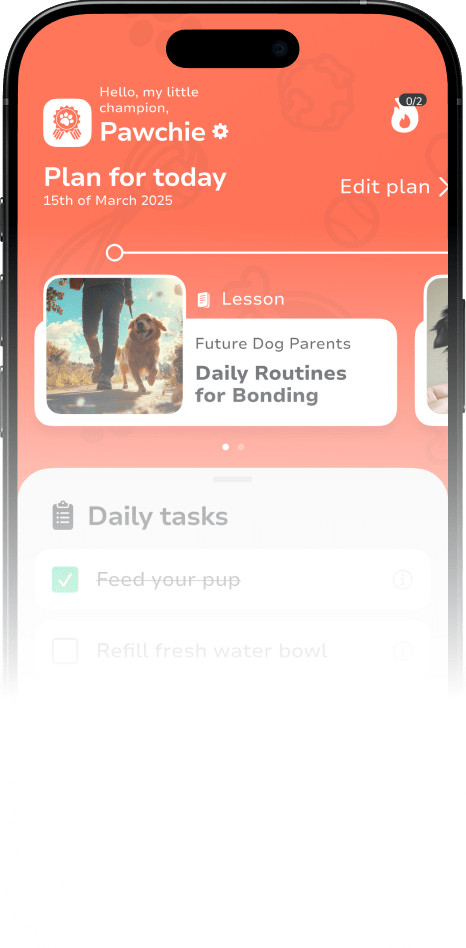
PawChamp ist eine hilfreiche App, die Tierhaltern schnell und effektiv beim Entschlüsseln der Hundekörpersprache hilft.
Verstehen der Hundekörpersprache und Warnsignale vor einem Biss
Als Hundetrainer und Verhaltensberater höre ich viele wiederkehrende Geschichten, und eine sehr häufige, die immer wieder auftaucht, ist die eines Hundehalters, der mich kontaktiert und sagt: „Hilfe, mein Hund hat plötzlich gebissen!“
💡 Aber hier ist die Wahrheit
In fast allen Fällen war dieser Biss nicht plötzlich oder unvorhersehbar, wie es dargestellt wird. Hundekommunikationssignale können subtil sein und lange vor einem Biss auftreten.
Zu verstehen, wie Hunde kommunizieren und warum Körpersprache wichtig ist, ermöglicht es uns, frühe Warnsignale zu erkennen und eher früher als später einzugreifen, um Vorfälle von vornherein zu verhindern.
Wie funktioniert Hundekommunikation ohne Worte?
Hundekommunikation ist hauptsächlich nonverbal. Hundeverhaltenssignale umfassen:
Körperhaltung,
Gesichtsausdrücke,
Ohren- und Rutenposition,
Bewegungen und Veränderungen der Muskelspannung, um emotionale Zustände und Absichten zu vermitteln.
In der Regel treten subtile Signale zuerst auf, und deutlichere Signale folgen, wenn die Bedürfnisse des Hundes nicht beachtet werden.
Da Hunde im Gegensatz zu Menschen nicht auf gesprochene Sprache angewiesen sind, ist es wichtig, dass wir lernen, die subtilsten Signale eines Hundes zu erkennen. Das ermöglicht uns letztlich, die Motivation unserer Begleiter besser zu verstehen, ihr emotionales Wohlbefinden zu unterstützen und eine Sicherheitsmarge für Hunde und Menschen zu wahren.
Häufige Körpersprache-Signale bei Hunden und ihre Bedeutung
Oft werden wichtige Körpersignale bei Hunden übersehen oder falsch interpretiert. Das kann passieren, wenn frühe Warnsignale zugunsten offensichtlicherer ignoriert werden oder Mythen durch vereinfachte oder veraltete Interpretationen verbreitet werden.
Genauso wichtig wie das Verständnis der Bedeutung der Hundekörpersprache einzelner Körperteile — wie der Bedeutung der Rutenhaltung — ist es, den gesamten Körper des Hundes und den Kontext, in dem diese Körpersignale gezeigt werden, zu bewerten.
Körpersprache ist schnell und leicht falsch zu deuten, besonders in stressigen Momenten. PawChamp hilft, indem es Ihnen trainingsgeleitete Expertenkontexte bietet (damit Sie wissen, was als Nächstes zu tun ist, nicht nur, was Sie gesehen haben) und Zugang zu Fragen Sie einen Hunde-Experten, wenn Sie Hilfe bei der Interpretation brauchen und eine sichere Reaktion wählen möchten.
Nutzen Sie den BLOGDOG PawChamp Promo-Code und Sie erhalten 30 % Rabatt auf jedes In-App-Abonnement.
Bedeutung des Schwanzwedelns bei Hunden — Nicht alle Wedel sind freundlich
Was bedeutet es, wenn ein Hund mit dem Schwanz wedelt? Die richtige Antwort lautet: Es kommt darauf an! Es gibt verschiedene Bedeutungen des Schwanzwedelns bei Hunden, die von mehreren Faktoren abhängen.
💡 Zum Beispiel
Ein weit verbreiteter Irrglaube ist, dass Schwanzwedeln bei Hunden ein universelles Zeichen von Freude und Glück ist. Tatsächlich sind nicht alle Schwanzwedel freundlich!
In manchen Fällen kann die Bewegung des Schwanzes anzeigen, dass ein Hund um Abstand bittet. Der Hund könnte so etwas sagen wie „Bitte kommen Sie nicht näher“, statt gestreichelt werden zu wollen. Natürlich kann das eine ziemlich riskante Situation sein!
Die korrekte Interpretation der Bedeutung der Hundeschwanzsprache ist daher entscheidend. Sie müssen Details wie bestimmte Schwanzpositionen, die Geschwindigkeit und Steifheit des Schwanzes sowie seine Bewegung beachten, um die Botschaft zu entschlüsseln.
Sie müssen auch auf gleichzeitige Verhaltensweisen und den Kontext achten, in dem das „Sprechen“ stattfindet. Das Verständnis dieser Hundeschwanzsprache ist daher entscheidend, um Ihren vierbeinigen Begleiter besser zu verstehen.
Bedeutung der Ohrenpositionen und Gesichtsausdrücke bei Hunden erklärt
Die Position der Hundeohren kann viele Einblicke in den emotionalen Zustand unserer Hunde geben.
Sind die Ohren des Hundes nach vorne und oben gerichtet? Dann ist der Hund oft aktiv und aufmerksam und achtet auf seine Umgebung.
Sind sie angelegt oder fast flach am Kopf (Dichtungsohren)? Dann erlebt der Hund wahrscheinlich Angst oder Stress, besonders wenn der Körper angespannt ist.
Ohren in einer entspannten, natürlichen Ruheposition sind meist ein Zeichen für ruhige und freundliche Hunde.
Wenn die Ohren zwischen verschiedenen Positionen wechseln, kann das ein Zeichen dafür sein, dass der Hund einfach verschiedenen Geräuschen lauscht, aber es kann auch auf einen hypervigilanten Zustand hinweisen, der Verwirrung oder Unbehagen erzeugt.
Zurückgelegte und hängende Ohren können stattdessen ein Zeichen für nicht bedrohliche Absichten sein, besonders wenn sie von anderen Beschwichtigungsgesten wie gesenktem Körper, Zungenschnalzen und weichen Augen begleitet werden.
Ähnlich können Gesichtsausdrücke bei Hunden uns viele Hinweise darauf geben, wie sich unsere Hunde in einem bestimmten Moment fühlen. Die Gesichtsmuskeln können entspannte Ausdrücke oder intensivere Signale wie starren Blick zeigen.
Körpersprache und Bewegungssignale
Die Art, wie unsere Hunde ihren Körper halten und sich bewegen, kann uns helfen, besser zu verstehen, was sie fühlen. Mehr über die Bedeutung der Hundehaltung zu lernen, kann uns daher helfen, problematische Situationen zu vermeiden.
Eine entspannte Körpersprache zeigt sich typischerweise durch eine lockere und wackelige Haltung. Das Gewicht ist gleichmäßig verteilt, und der Hund bewegt sich geschmeidig. Sie werden oft weiche Muskeln am Hals, den Schultern und dem Rücken bemerken, dazu leichte Wendungen und ein normales Tempo, das weder gehetzt noch „festgefahren“ wirkt.
Das ist ein großer Unterschied zur Körpersprache eines ängstlichen/reaktiven Hundes, der sich durch sichtbare Muskelanspannung und Gewichtsverlagerung nach vorne oder hinten je nach Absicht auszeichnen kann:
Eine Gewichtsverlagerung nach hinten signalisiert oft Zögern oder den Wunsch, Abstand zu vergrößern.
Eine Gewichtsverlagerung nach vorne kann auf erhöhte Erregung, Wachsamkeit oder Bereitschaft zur Reaktion hinweisen, wenn der Hund sich unter Druck fühlt. In beiden Fällen wirkt der Körper eher gehalten und steif als locker und fließend.
Bewegungsmuster sind ebenso aufschlussreich. Langsame, zögerliche Bewegungen können Unsicherheit, Unbehagen oder Konflikte signalisieren, während plötzliche, übertriebene Bewegungen auf erhöhten Stress oder Aufregung hinweisen können. Sie können beobachten, dass der Hund beim Drehen, Scannen oder Reagieren auf kleine Auslöser „ruckartiger“ wird und sich selbst in vertrauten Situationen nur schwer beruhigen kann.
💡 Vorsicht!
Hunde, die Stillstand zusammen mit einer steifen Hundekörperhaltung zeigen, sollten nicht angesprochen werden, da diese Haltung zu einer Eskalation führen kann, wenn der Hund sich genug unter Druck gesetzt fühlt.
Die sicherste Reaktion ist meist, den Druck zu verringern: anhalten, nicht vorbeugen, Raum geben und dem Hund einen Fluchtweg ermöglichen.
Um das im Alltag noch nützlicher zu machen, hilft es, im Moment schnell zu prüfen: „Entspannt oder angespannt?“
Ist der Körper weich oder sieht er so aus, als würde er festgehalten?
Ist die Bewegung geschmeidig oder abgehackt und vorsichtig?
Ist das Gewicht gleichmäßig verteilt oder deutlich nach vorne/hinten verlagert?
Kann der Hund sich leicht entfernen oder wirkt er festgefahren?
Hat sich die Haltung direkt nach einem Ereignis verändert (jemand hat sich vorbeigebeugt, ein Hund ist aufgetaucht, Sie haben nach dem Halsband gegriffen)?
Wenn Sie Hilfe brauchen, diese Signale auf die Situationen Ihres eigenen Hundes (Spaziergänge, Gäste, Handling) anzuwenden, zeigen PawChamps Lektionen, wie Sie frühzeitig mit belohnungsbasierten, wahlfreundlichen Schritten reagieren können.
Blickkontakt und Blickrichtung — Was Hunde wirklich sagen
Die Augen unseres Hundes sind der Spiegel seiner Seele, wenn wir wissen, worauf wir achten müssen. Hunde nutzen den Blick, um Informationen zu sammeln, soziale Interaktionen zu regulieren und ihre emotionalen Zustände auszudrücken.
Weicher Hundeblick, gekennzeichnet durch entspannte Augenlider und begleitet von lockerer Körpersprache, zeigt uns, dass unsere Hunde freundlich und wohl in ihrer Umgebung sind.
Walauge bei Hunden ist ein Begriff, der verwendet wird, wenn das Weiße der Hundeaugen (die Sklera) sichtbar ist.
Es fällt oft in Situationen wie diesen auf:
Etwas Wertvolles bewachen (wie einen Knochen oder ein Spielzeug), während jemand sich nähert
Menschen oder andere Hunde genau beobachten, die näher kommen
Auf eine Weise behandelt werden, die sich unangenehm anfühlt (Fellpflege, tierärztliche Untersuchungen, bewegt werden)
Umarmt, festgehalten oder an Ort und Stelle gehalten werden
Andere sozial stressige Momente, in denen sich der Hund unsicher oder unter Druck fühlt
Interessanterweise fand eine Studie von Nagasawa, M. et al. (2015) heraus, dass Hunde beim Blickkontakt mit ihren Hundehaltern Oxytocin freisetzen, auch bekannt als das „Liebeshormon“. Hunde, die den Blick abwenden, indem sie den Kopf drehen, versuchen möglicherweise stattdessen, sozialen Druck zu reduzieren.
Wie man Stress- und Beruhigungssignale bei Hunden erkennt
Eines der zuverlässigsten Anzeichen für Stress, Angst oder Angstzustände ist das, was ich gerne den „Verschwinde-Trick“ eines Hundes nenne. Kurz gesagt, betroffene Hunde versuchen, sich kleiner, fast unsichtbar zu machen.
Gestresste, ängstliche und ängstliche Hunde ducken sich daher, senken den Kopf, legen die Ohren eng an den Kopf und klemmen den Schwanz ein. Was ist der Zweck dieser Stresssignale bei Hunden? Diese Verhaltensweisen sind Teil des Stresskommunikationssystems eines Hundes und überschneiden sich oft mit subtilen Beruhigungssignalen, die Hunde verwenden, um Spannungen abzubauen und Konflikte zu vermeiden.
💡 Kurz gesagt
In der Hundesprache bedeutet kleiner gleich sicherer.
Wenn Sie diese ängstlichen Hundesignale erkennen, tun Sie diesen Hunden einen Gefallen, indem Sie ihnen Raum, Wahlmöglichkeiten und Unterstützung geben, anstatt die Situation unbeabsichtigt zu verschärfen.
Versuchen Sie daher, Symptome von Hundeangst zu erkennen, damit Sie frühzeitig eingreifen und Ihrem Hund helfen können, sich sicherer und geborgener zu fühlen.
Spielsignale vs. Warnsignale — Wie man den Unterschied erkennt
Wenn Hunde spielen, senden sie sogenannte Metasignale, also Signale über Signale, die Fehlinterpretationen verhindern sollen.
Mit anderen Worten, Hundespiel-Körpersprache vermittelt anderen Hunden und Menschen, dass das, was sie tun, nur Spiel ist und nicht ernst genommen werden sollte.
💡 Brauchen Sie ein Beispiel?
Der klassische „Spielbogen“ soll klarstellen: „Das ist Spiel – nichts, was danach kommt, ist ernst gemeint.“ Weitere Spielsignale sind federnde Bewegungen, lockere Gesichtsausdrücke, übertriebene Gesten sowie der typische „Schaukelpferd“-Gang.
Warnsignale hingegen zeigen meist eine direktere, steifere Körpersprache. Sie fehlen Metasignale und andere wichtige Elemente wie Rollenwechsel, Selbstbehinderung und Pausen oder Neustarts. Ein weiteres Anzeichen ist, ob die Hunde sich lösen können. Beim Spielen können sie aufhören und sich trennen, ohne dass ein Hund sofort hinterherjagt oder das Spiel eskaliert. Im Konflikt „klebt“ die Interaktion meist und die Intensität steigt weiter.
Das Verständnis der Signale, dass ein Hund spielen möchte im Gegensatz zum Anzetteln eines Kampfes ist daher entscheidend für alle, die ihr Leben mit Hunden teilen.
Häufige Fehler bei der Interpretation der Hundekörpersprache durch Hundebesitzer
Als Tierhalter nehmen wir oft an, dass unsere Hunde, nur weil sie starke Bindungen aufbauen und uns bedingungslose Liebe schenken, jede Art von Interaktion von uns tolerieren müssen.
Wir gewinnen daher den falschen Eindruck, dass Hunde, nur weil sie Nähe suchen oder Beschwichtigungsgesten zeigen, mit allem, was wir tun, einverstanden sind. In Wirklichkeit bleiben viele Hunde in der Nähe, weil sie sich verbunden fühlen, weil sie gelernt haben, höflich zu sein, oder weil sie versuchen, Spannungen abzubauen, nicht weil sie die Interaktion wirklich genießen.
Wir umarmen oder küssen sie also weiter, verpassen aber völlig, Hundesignale richtig zu lesen, wie ihre „Ich habe genug“-Signale in Form von Gähnen oder Wegdrehen des Kopfes.
Oder wir fallen auf einen der häufigsten Mythen über Hundeverhalten herein, nämlich dass „ein Hund, der seinen Bauch zeigt, unbedingt gekrault werden will.“ Das Zeigen des Bauches kann Komfort bedeuten, aber auch eine Beschwichtigung oder ein Signal zur Distanzvergrößerung sein. Ein Hund, der Bauchstreicheleinheiten möchte, bleibt typischerweise locker und wackelig und lädt zu mehr Kontakt ein. Ein Hund, der sich unwohl fühlt, wirkt oft steif, vermeidet Blickkontakt, erstarrt oder versucht wegzugehen.
Missverständnisse bei Hundesignalen können das Risiko defensiven Verhaltens im Laufe der Zeit erhöhen. Außerdem übertragen wir, wenn wir uns auf ihre „bedingungslose Liebe“ verlassen statt ihre Signale zu lesen, die Verantwortung für das Bewältigen vollständig auf den Hund und können so Vertrauen zerstören.
Vertrauen zu Ihrem Hund aufzubauen, braucht Zeit und viel Geduld, daher sollte etabliertes Vertrauen niemals als selbstverständlich angesehen werden.
Eine einfache Regel, die hilft, ist eine Einwilligungsprüfung: Berühren Sie kurz, dann halten Sie inne. Wenn Ihr Hund sich anlehnt, locker bleibt und sich wieder einbringt, machen Sie weiter. Wenn Ihr Hund sich abwendet, versteift, erstarrt oder weggeht, respektieren Sie diese Antwort und geben Sie Raum.
Hundekörpersprache bei Kindern: Kindern und Familien beibringen
Das Lehren der Hundekörpersprache für Kinder ist entscheidend, um Sicherheit und Wohlbefinden in Familien mit Kindern, die mit Hunden zusammenleben, zu verbessern.
💡 Wussten Sie schon?
Eine aktuelle Studie ergab, dass viele Kinder aggressive Hundeausdrücke mit Freude verwechselten und annahmen, diese Hunde könnten gekuschelt und geküsst werden.
Und wie sieht es bei Erwachsenen aus? Forschungen haben ebenfalls gezeigt, dass sie oft subtile Signale von Angst und Furcht in Hund-Kind-Interaktionen nicht genau interpretieren.
Hunde neigen dazu, Unbehagen früh und leise zu kommunizieren, und Familienhund-Kommunikation ermutigt Erwachsene, respektvolle Interaktionen vorzuleben und Kinder zu bitten, um Erlaubnis zu fragen, bevor sie unbekannte Hunde streicheln.
Wenn Ihr Haushalt Kinder, Besucher oder häufige Hund-zu-Hund-Begegnungen umfasst, kann es hilfreich sein, spezifische Anleitungen für Ihre Situation zu erhalten. In PawChamp können Sie Fragen Sie einen Hunde-Experten nutzen, um zu beschreiben, was passiert, und allgemeine sicherheitsorientierte Empfehlungen für die nächsten Schritte zu erhalten.
Wie hilft Ihnen PawChamp, das Verhalten Ihres Hundes besser zu verstehen?
Wie gesehen, kann das Verstehen der Hundekörpersprache herausfordernd sein, besonders wenn die Kommunikation subtil, schnell und leicht falsch zu deuten ist.
PawChamp Hundetraining hilft, diese Lücke zu schließen, indem es Verhaltenswissenschaft mit zugänglicher Technologie kombiniert. Wie? Hier einige Beispiele.
Die PawChamp-App dient als intelligenter Begleiter für das Hundetraining, der Tierhaltern hilft, alltägliche Verhaltensweisen zu interpretieren und durch evidenzbasierte Lerninhalte gute tägliche Entscheidungen zu treffen.
KI-Verhaltensanalysen von Pawchie KI helfen dabei, das, was Sie sehen, in bedeutungsvolle Informationen zu übersetzen, auf die Sie reagieren können – von Haltungsänderungen bis zu Stresssignalen und Erregungsmustern.
Die App unterstützt positives Hundetraining, indem sie zur frühzeitigen Erkennung emotionaler Zustände, proaktiven Reaktionen und humanen, wahlbasierten Strategien ermutigt.
Welche Warnsignale in der Hundekörpersprache sollten Sie beachten?
Frühes Erkennen von Warnsignalen hilft Ihnen, Eskalationen zu verhindern und zu reagieren, bevor Ihr Hund sich gezwungen fühlt, sich zu verteidigen.
Klare Warnsignale (offensichtlichere Warnzeichen)
Starrer Blick (fixierter, intensiver Augenkontakt)
Sichtbare Sklera („Walauge“)
Lippenheben/Knurren (Zähne zeigen)
Knurren
Plötzliche Bewegungslosigkeit oder Erstarren (steife, statuenhafte Pause)
Subtile Warnsignale (leicht zu übersehen, oft frühere Signale)
Lippenlecken (besonders schnelle „Zungenschnalzer“)
Kopf wegdrehen (Interaktion vermeiden)
Gerunzelte Stirn oder angespannte Stirn
Gähnen (wenn nicht müde)
Pupillenerweiterung (große, dunkle Pupillen, oft mit Anspannung verbunden)
Wie sieht die Hundekörpersprache beim Treffen eines anderen Hundes aus?
Angemessene Hund-zu-Hund-Begegnungen sind typischerweise geschwungen mit lockeren Körpern, weichen Gesichtsausdrücken und Pausen oder Schnüffelpausen. Warnsignale sind direkte Annäherungen, langes Starren, aufgestellte Nackenhaare und Bewegungslosigkeit.
Es ist am besten, die Interaktionen kurz zu halten. Längere Begrüßungen erhöhen das Risiko einer Eskalation, besonders wenn die Erregung steigt oder sich die Kommunikationsstile unterscheiden.
Das Ziel von PawChamp ist es, Tierhaltern zu helfen, informierte Entscheidungen zu treffen, die das Wohlbefinden erhöhen, Stress reduzieren und die Mensch-Hund-Bindung stärken.
Wie interpretiert man die Hundekörpersprache beim Schlafen?
Wenn Hunde schlafen, haben sie typischerweise entspannte Körper mit lockeren Beinen, weichen Gesichtszügen und langsamer Atmung. Während der REM-Schlafphase können Sie jedoch Muskelzuckungen, Pfotenbewegungen, Lautäußerungen sowie Bewegungen von Augen, Ohren oder Schnurrhaaren bemerken. Unabhängig davon, in welcher Schlafphase sich der Hund befindet, ist es am besten, ihn nicht abrupt zu wecken.
Hundekörpersprache, die Ihren Hund schützt und Bisse verhindert
Hunde „sprechen“ ständig, nur nicht mit Worten. Das Erlernen des Lesens von Schwanz, Ohren, Augen, Gesichtsspannung, Haltung und Bewegung hilft Ihnen, Stress frühzeitig zu erkennen, Eskalationen zu verhindern und das Wohlbefinden sowie die Sicherheit Ihres Hundes zu unterstützen. Wenn Sie unsicher sind, betrachten Sie Steifheit, Erstarren, intensives Starren und das sogenannte Wal-Auge als Zeichen, eine Pause einzulegen, Abstand zu geben und den Druck zu verringern—nutzen Sie dann die fachkundige Anleitung aus PawChamp-Lektionen oder der Funktion Fragen Sie einen Hunde-Experten, um den sichersten nächsten Schritt zu wählen.
Wie wir diesen Leitfaden erstellt haben
Basierend auf Verhaltenswissenschaft, häufigen Kundenfällen und PawChamp-Expertenrat. Dieser Artikel ist lehrreich und ersetzt nicht den Tierarzt oder einen qualifizierten Verhaltensfachmann in dringenden Fällen.
Quellen
Meints, K., & Racca, A. (2025). Schau, er lächelt! Fehlinterpretationen von Gesichtsausdrücken bei Hunden durch Kinder. Anthrozoös, 1–28
Salgirli Demirbas, Yasemin & Ozturk, Hakan & Emre, Bahri & Kockaya, Mustafa & Ozvardar, Tarkan & Scott, Alison. (2016). Die Fähigkeit von Erwachsenen, die Körpersprache von Hunden während einer Hund-Kind-Interaktion zu interpretieren. Anthrozoös. 29