No one worries about poop more than a parent, be it a human parent or a pet parent! For most working pet parents, the worry usually starts with “How long can dogs hold their pee?” and before you know it, you’re tracking every bathroom break like it’s a medical chart, especially when it comes to dog pooping habits.
Whether you’re rushing home from work, standing outside in your pajamas at 11 p.m. begging your dog to “just go already,” or quietly panicking because it’s been a little too long since your dog pooped last… you’re not alone.
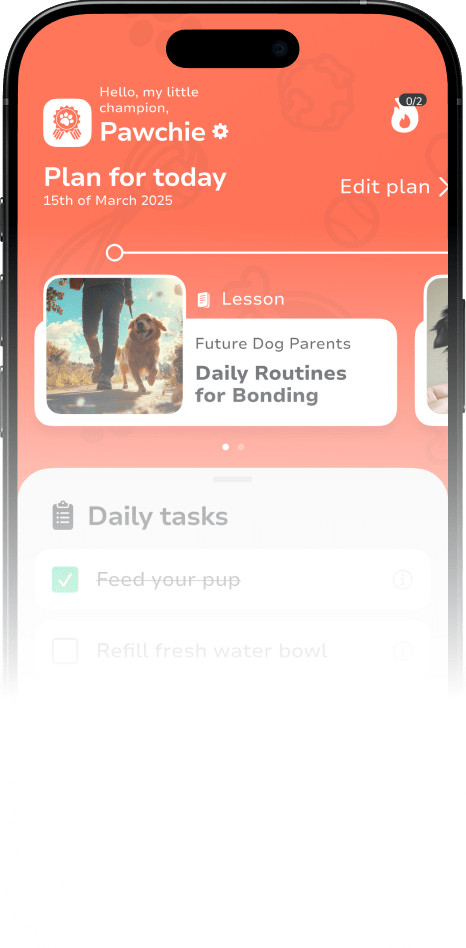
If you want a simple routine to follow (instead of guessing), PawChamp Potty Reset Challenge can help you build consistent potty habits using positive reinforcement.
Key Takeaways
Most healthy adult dogs poop 1–3 times a day, and consistency matters more than exact numbers
Adult dogs can usually hold poop for 8–9 hours, but regularly doing so isn’t ideal
Puppies need far more frequent breaks and cannot “hold it” like adults
Senior dogs often need more frequent opportunities, as aging affects muscle control and digestion.
Diet, hydration, exercise, stress, and routine all directly influence poop quality and timing
Regularly holding poop can lead to discomfort, constipation, and long-term health issues
Sudden changes in bathroom habits are never “just a phase”. They’re signals worth paying attention to
Now, let’s unpack what all of this actually means for your dog’s daily life.
How Often Do Dogs Poop? How Much Is Too Much?
Most healthy dogs need to poop 1-3 times per day. That is a baseline number. This number may vary depending on your dog’s breed, metabolism and lifestyle.
Once: Normal
Twice: Still normal
Thrice: Within healthy range
However, a sudden jump to 5-6 times is something to look into. Add loose stools, straining with nothing coming out or skipping poop for 2+ days and you have a potential medical emergency at hand.
💡 Tip:
Consistency here matters more than frequency.
This is where tools like the PawChamp app can be helpful as a training and routine-building support. We have a track record in helping dog parents follow a clear, step-by-step training plan.
So… How Long Can Dogs Hold Their Poop, Really?
Most dogs that live with working families often end up holding their poop longer than they should. Minor inconsistencies in routine is something that every dog is designed to accommodate, and this directly affects overall dog pooping frequency. To understand what’s reasonable and what isn’t, let’s break it down by age.
Adult Dogs and Their Effortless Daily Digestive Rhythm
Adulthood is when most dogs have their metabolism working at peak efficiency and stability. This gives them the ability to easily hold their poop for 8-9 hours. On days when life happens, even 12 hours without harm.
However, just because they can, doesn’t mean they should.
Most adult dogs naturally want to poop:
Shortly after waking
20–30 minutes after eating
After moderate activity
If your adult dog is on a consistent feeding and walking schedule, their gut usually falls into a predictable rhythm. Dogs, as well as their digestive system, love routine.
Puppies and Zero Patience from Their Guts
It’s a very different story when it comes to puppies. Puppies, especially under 6 months, have very limited control.
Here’s a general guideline on how often puppies need to poop:
8-10 weeks: every 1-2 hours
3-4 months: every 3-4 hours
5-6 months: 5-6 hours
This frequency is not just attributed to their size, but also to their metabolic speed. They often need to poop after every meal, after play, after naps, and sometimes just because the wind changed directions!
💡 Tip:
3-5 times a day is just normal in young, curious puppies.
Expecting a 10-week-old puppy to “hold it” like an adult dog is setting both of you up for frustration.
Senior Dogs and Why Holding Gets Complicated
Senior dogs and their ability to hold poop is a bit more nuanced. Older dogs generally have a weaker muscle tone in the colon. They experience slower gut motility.
Cognitive challenges may pose additional difficulties and may cause incontinence in some. On the other hand, some seniors may prefer to hold for a longer time as muscle degeneration may cause squatting difficulties.
Most senior dogs can usually hold their poop for 4-8 hours and sometimes up to 10 hours if they’re healthy. However, that’s the upper limit, not the goal.
💡 Remember:
If your senior dog’s poop habits change suddenly, don’t assume “it’s just age”. Get it checked.
What Controls Your Dog’s Poop Routine?
Your dog’s poop schedule is anything but random. They’re shaped (Lol, Ew) by several everyday factors working together. Let’s dive deeper into what quietly determines when, how often, and how comfortably your dog goes.
Food, Feeding Schedule and Fibre Level
Predictable feeding schedule and a healthy bowel movement almost go hand in hand. If you’re dependent on a free feeding schedule for your dog, in other words, if you leave food out the whole day for your dog to graze, you may have gotten yourself into an unpredictable poop routine.
Fibre is the second biggest factor. A diet consisting of little fibre may lead to constipation. Make it fibre-rich, and you may end up with bulkier, more frequent stools.
💡 Did you know?
Dogs cannot fully digest fibre on their own because they lack the enzymes needed to break it down. This means you cannot look at fibre for your dog the same way as you look at it for yourself.
Most healthy adult dogs do best with 2–5% fibre in dry food (on a dry matter basis).
What your dog eats directly impacts digestion, stool quality, and consistency. If you’re unsure you’re choosing the best dog food for digestion, get a personalized feeding guide by PawChamp in minutes.
Exercise and Movement
Have you ever thought about why dogs mostly poop on walks? This is because movement stimulates the gut.
No walks = sluggish digestion
Daily walks = regular bowel movements
Stress and Environment
Stress has time and again proven to mess with a dog’s biology in a variety of ways. Stress can cause both diarrhea and constipation. The gut and nervous system are tightly linked.
3 Reasons Your Dog Holds Their Poop, and When Does It Become a Problem
If your dog regularly “saves” their poop for hours or seems unwilling to go when given the chance, the reasons may very well be beyond “stubbornness” especially if you’re wondering how long a dog can go without pooping. In most cases, it’s your dog responding to physical, emotional, or environmental factors that affect their comfort and confidence.
Understanding why your dog is holding it is the first step to fixing the problem before it turns into a health concern.
Let’s look at the three most common causes.
Anxiety and Location Preference
Dogs can be quite particular when it comes to where and how they poop. It may look like hesitation to us, but it may very well be a dog just trying to find conditions that feel right.
Just like humans, anxiety can interrupt natural bodily functions in dogs. You may notice that your dog behaves differently when “watched” or “rushed”.
They can also be quite particular about the location, surface, texture, and the environment in general. If their preferred surface isn’t available, they may hold it.
Some other things your dog may be anxious enough to hold poop for are:
Lifestyle changes
Strict outdoor-only training (these dogs may find themselves incapable of relieving indoors)
Separation anxiety
Dietary Issues
What your dog eats and drinks directly affects how easily they can pass stool. One of the most overlooked causes of poop retention is dehydration.
When a dog is not hydrated enough:
The colon absorbs more water from stool
Stool becomes dry and hard
Passing it becomes uncomfortable
The dog starts delaying elimination
This creates a cycle: discomfort leads to holding, holding leads to harder stool, and harder stool increases discomfort. If your dog is consistently holding poop and drinking very little water, diet and hydration should be evaluated first.
Health Issues
“Waiting it out” may become risky when poop retention becomes a regular thing.
Apart from age-related reasons, there may be a good chance that your dog is delaying pooping simply because it hurts. Watch out for the following signs and take your dog to the vet if you see any of these:
Anal gland inflammation
Rectal irritation
Constipation
Spinal pain
Abdominal discomfort
If squatting or pushing hurts, your dog will naturally try to avoid it. Chronic withholding may be linked to underlying conditions such as:
Intestinal blockages
Parasite infections
Hypothyroidism
Inflammatory bowel disease
Megacolon
Neurological disorders
Arthritis
Pelvic injuries
💡 Beware!
In these cases, holding is not a behavior problem; it’s a symptom of something bigger at play.
Signs Your Dog is unwillingly holding poop
Our dogs are constantly communicating with us, whether we notice it or not. If you’re seeing several of these signs together, your dog isn’t being “picky.” They’re probably struggling. Here are the signs your dog is unwillingly holding poop:
Repeated circling, pacing, or restlessness without actually pooping
Intense sniffing of the ground but refusal to poop
Squatting multiple times with little or nothing coming out (this could be an emergency)
Whining, whimpering, or looking back at their rear end
Sudden urgency to go outside after refusing earlier
Standing at the door but hesitating once outside
Straining, stiff posture, or visible discomfort while trying
Indoor accidents after long periods of holding
Your dog’s poop habits are a direct reflection of their overall health and well-being. Healthy dogs thrive on consistency when it comes to feeding, exercise, environment, and potty breaks. When those basics are in place, most digestive problems resolve on their own. When they aren’t, the gut is often the first system to protest.
Pay attention to patterns. Notice changes. Take small signals seriously before they turn into big problems. And most importantly, make it easy for your dog to succeed by giving them time, comfort, and regular chances to go.
Your dog’s habits won’t fix themselves without the right structure and consistency. Take a 2-minute quiz to get a simple daily plan you can actually follow.
How PawChamp Helps With Potty Routines and Bathroom Habits?
Poop habits get messy when life gets busy. Dogs thrive on consistency, but owners don’t always have the same schedule every day. The PawChamp app doesn’t replace veterinary care for constipation or medical issues, but it can help you build a flexible routine and respond calmly when habits shift. You also get in-app expertise and support from canine professionals in case you have questions.
Here’s what you get:
A personalized starting point from a short quiz, so you know what to focus on first
Step-by-step guidance for building calmer, more predictable bathroom routines
Practical troubleshooting for common issues like schedule changes, reluctance to go, or stress in certain locations
Ask a dog expert support when you want help interpreting what you’re seeing or choosing the safest next step
Bottom Line
Most dogs can physically hold poop for hours, but the healthiest routine is regular opportunities to go, not pushing the limit. Adjust expectations by age, and watch hydration, diet, stress, and exercise since they directly affect stool timing and comfort. If your dog strains, stops pooping for an unusual length of time, or suddenly changes patterns, don’t write it off as stubbornness—treat it as a signal and contact your vet.