Nessuno si preoccupa della cacca più di un proprietario, sia esso un genitore umano o un proprietario di cane! Per la maggior parte dei proprietari di cani che lavorano, la preoccupazione di solito inizia con “Quanto a lungo possono i cani trattenere la pipì?” e prima che tu te ne accorga, stai monitorando ogni pausa bagno come se fosse una cartella medica, specialmente per quanto riguarda le abitudini di cacca del cane.
Che tu stia correndo a casa dal lavoro, stia in piedi fuori in pigiama alle 23 implorando il tuo cane di “andare già”, o stia silenziosamente andando nel panico perché è passato un po’ troppo tempo dall’ultima volta che il tuo cane ha fatto la cacca… non sei solo.
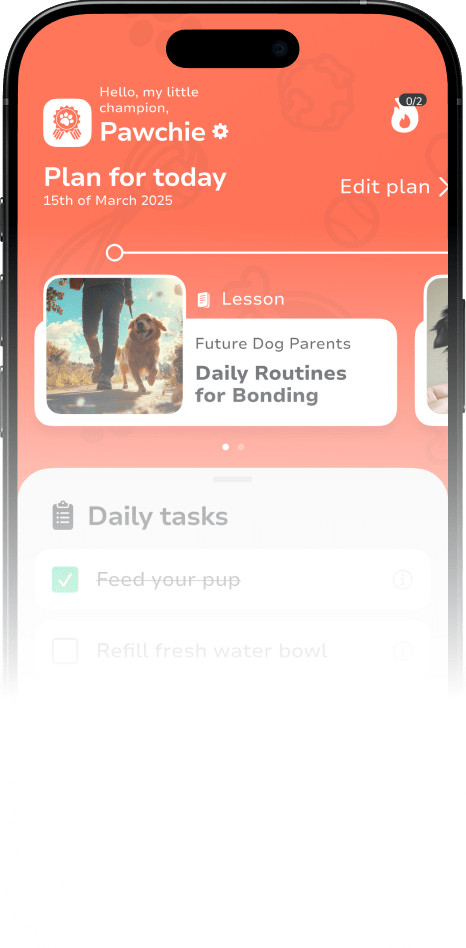
Se vuoi una routine semplice da seguire (invece di indovinare), la Sfida di reset dei bisogni di PawChamp può aiutarti a costruire abitudini di bisogni coerenti usando il rinforzo positivo.
Consigli e concetti chiave
La maggior parte dei cani adulti sani fa la cacca 1–3 volte al giorno, e la costanza conta più dei numeri esatti
I cani adulti di solito possono trattenere la cacca per 8–9 ore, ma farlo regolarmente non è l’ideale
I cuccioli hanno bisogno di pause molto più frequenti e non possono “trattenersi” come gli adulti
I cani anziani spesso hanno bisogno di più opportunità frequenti, poiché l’invecchiamento influisce sul controllo muscolare e sulla digestione.
Dieta, idratazione, esercizio, stress e routine influenzano direttamente la qualità e i tempi della cacca
Trattenere regolarmente la cacca può portare a disagio, stitichezza e problemi di salute a lungo termine
I cambiamenti improvvisi nelle abitudini di bagno non sono mai “solo una fase”. Sono segnali a cui vale la pena prestare attenzione
Ora, vediamo cosa significa tutto questo nella vita quotidiana del tuo cane.
Quanto spesso fanno la cacca i cani? Quanto è troppo?
La maggior parte dei cani sani ha bisogno di fare la cacca 1-3 volte al giorno. Questo è un numero di riferimento. Questo numero può variare a seconda della razza, del metabolismo e dello stile di vita del tuo cane.
Una volta: normale
Due volte: ancora normale
Tre volte: entro un intervallo sano
Tuttavia, un salto improvviso a 5-6 volte è qualcosa da approfondire. Aggiungi feci molli, sforzi senza riuscire a evacuare o saltare la cacca per più di 2 giorni e potresti avere un’emergenza medica.
💡 Consiglio:
La costanza qui conta più della frequenza.
Qui strumenti come la app PawChamp possono essere utili come supporto per l’addestramento e la costruzione della routine. Abbiamo una comprovata esperienza nell’aiutare i proprietari di cani a seguire un piano di addestramento chiaro e passo-passo.
Quindi… quanto a lungo possono davvero trattenere la cacca i cani?
La maggior parte dei cani che vivono con famiglie che lavorano spesso finisce per trattenere la cacca più a lungo di quanto dovrebbe. Piccole incoerenze nella routine sono qualcosa che ogni cane è progettato per gestire, e questo influisce direttamente sulla frequenza complessiva della cacca del cane. Per capire cosa è ragionevole e cosa no, analizziamo per età.
Cani adulti e il loro ritmo digestivo quotidiano senza sforzo
L’età adulta è quando la maggior parte dei cani ha il metabolismo che funziona al massimo dell’efficienza e della stabilità. Questo dà loro la capacità di trattenere facilmente la cacca per 8-9 ore. Nei giorni in cui succede qualcosa, anche 12 ore senza danni.
Tuttavia, solo perché possono, non significa che dovrebbero.
La maggior parte dei cani adulti vuole naturalmente fare la cacca:
Poco dopo il risveglio
20–30 minuti dopo aver mangiato
Dopo un’attività moderata
Se il tuo cane adulto ha un’alimentazione e un programma di passeggiate coerente, il suo intestino di solito segue un ritmo prevedibile. I cani, così come il loro sistema digestivo, amano la routine.
Cuccioli e zero pazienza da parte del loro intestino
È una storia molto diversa quando si tratta di cuccioli. I cuccioli, specialmente sotto i 6 mesi, hanno un controllo molto limitato.
Ecco una linea guida generale su quanto spesso i cuccioli devono fare la cacca:
8-10 settimane: ogni 1-2 ore
3-4 mesi: ogni 3-4 ore
5-6 mesi: 5-6 ore
Questa frequenza non è dovuta solo alla loro taglia, ma anche alla loro velocità metabolica. Spesso devono fare la cacca dopo ogni pasto, dopo il gioco, dopo i pisolini, e a volte solo perché il vento ha cambiato direzione!
💡 Consiglio:
3-5 volte al giorno è normale per i cuccioli giovani e curiosi.
Aspettarsi che un cucciolo di 10 settimane “si trattenga” come un cane adulto è una fonte di frustrazione per entrambi.
Cani anziani e perché trattenersi diventa complicato
I cani anziani e la loro capacità di trattenere la cacca è un po’ più sfumata. I cani più anziani generalmente hanno un tono muscolare più debole nel colon. Sperimentano una motilità intestinale più lenta.
Le sfide cognitive possono causare ulteriori difficoltà e possono provocare incontinenza in alcuni. D’altra parte, alcuni anziani possono preferire trattenere più a lungo poiché la degenerazione muscolare può causare difficoltà ad accovacciarsi.
La maggior parte dei cani anziani può di solito trattenere la cacca per 4-8 ore e a volte fino a 10 ore se sono sani. Tuttavia, questo è il limite massimo, non l’obiettivo.
💡 Ricorda:
Se le abitudini di evacuazione del tuo cane anziano cambiano improvvisamente, non dare per scontato che “sia solo l’età”. Fallo controllare.
Cosa controlla la routine della cacca del tuo cane?
Il programma della cacca del tuo cane non è affatto casuale. È modellato (Lol, Bleah) da diversi fattori quotidiani che lavorano insieme. Approfondiamo cosa determina silenziosamente quando, quanto spesso e quanto comodamente il tuo cane fa la cacca.
Cibo, orario dei pasti e livello di fibre
Un programma di alimentazione prevedibile e un movimento intestinale sano vanno quasi di pari passo. Se dipendi da un programma di alimentazione libera per il tuo cane, in altre parole, se lasci il cibo fuori tutto il giorno per farlo brucare, potresti esserti messo in una routine di cacca imprevedibile.
Le fibre sono il secondo fattore più importante. Una dieta con poche fibre può portare a stitichezza. Rendila ricca di fibre e potresti avere feci più voluminose e frequenti.
💡 Lo sapevi?
I cani non riescono a digerire completamente le fibre da soli perché mancano degli enzimi necessari per scomporle. Questo significa che non puoi considerare le fibre per il tuo cane come le consideri per te stesso.
La maggior parte dei cani adulti sani sta meglio con il 2–5% di fibre nel cibo secco (su base di materia secca).
Ciò che il tuo cane mangia influisce direttamente sulla digestione, sulla qualità e sulla consistenza delle feci. Se non sei sicuro di scegliere il miglior cibo per cani per la digestione, ottieni una guida alimentare personalizzata con PawChamp in pochi minuti.
Esercizio e movimento
Hai mai pensato a perché i cani fanno la cacca soprattutto durante le passeggiate? Questo perché il movimento stimola l’intestino.
Niente passeggiate = digestione lenta
Passeggiate quotidiane = movimenti intestinali regolari
Stress e ambiente
Lo stress ha dimostrato più volte di interferire con la biologia del cane in vari modi. Lo stress può causare sia diarrea che stitichezza. L’intestino e il sistema nervoso sono strettamente collegati.
3 motivi per cui il tuo cane trattiene la cacca e quando diventa un problema
Se il tuo cane “trattiene” regolarmente la cacca per ore o sembra riluttante ad andare quando ne ha la possibilità, le ragioni potrebbero essere ben oltre la “testardaggine”, specialmente se ti stai chiedendo quanto a lungo un cane può stare senza fare la cacca. Nella maggior parte dei casi, è il tuo cane che risponde a fattori fisici, emotivi o ambientali che influenzano il suo comfort e la sua fiducia.
Capire perché il tuo cane si trattiene è il primo passo per risolvere il problema prima che diventi una preoccupazione per la salute.
Vediamo le tre cause più comuni.
Ansia e preferenza del luogo
I cani possono essere molto particolari riguardo a dove e come fanno la cacca. Può sembrare esitazione a noi, ma potrebbe benissimo essere un cane che cerca solo condizioni che si sentano giuste.
Proprio come gli umani, l’ansia può interrompere le funzioni corporee naturali nei cani. Potresti notare che il tuo cane si comporta diversamente quando è “osservato” o “affrettato”.
Possono anche essere molto particolari riguardo al luogo, alla superficie, alla consistenza e all’ambiente in generale. Se la loro superficie preferita non è disponibile, potrebbero trattenersi.
Alcune altre cose per cui il tuo cane potrebbe essere abbastanza ansioso da trattenere la cacca sono:
Cambiamenti nello stile di vita
Addestramento rigoroso solo all’aperto (questi cani potrebbero trovarsi incapaci di fare i bisogni in casa)
Ansia da separazione
Problemi dietetici
Ciò che il tuo cane mangia e beve influisce direttamente su quanto facilmente può evacuare. Una delle cause più trascurate del trattenere la cacca è la disidratazione.
Quando un cane non è abbastanza idratato:
Il colon assorbe più acqua dalle feci
Le feci diventano secche e dure
Evacuare diventa scomodo
Il cane inizia a ritardare l’eliminazione
Questo crea un ciclo: il disagio porta a trattenersi, trattenersi porta a feci più dure, e feci più dure aumentano il disagio. Se il tuo cane trattiene costantemente la cacca e beve pochissima acqua, la dieta e l’idratazione dovrebbero essere valutate per prime.
Problemi di salute
“Aspettare che passi” può diventare rischioso quando il trattenere la cacca diventa una cosa abituale.
A parte le ragioni legate all’età, c’è una buona possibilità che il tuo cane stia ritardando la cacca semplicemente perché fa male. Fai attenzione ai seguenti segnali e porta il tuo cane dal veterinario se ne noti qualcuno:
Infiammazione delle ghiandole anali
Irritazione rettale
Stitichezza
Dolore spinale
Disagio addominale
Se accovacciarsi o spingere fa male, il tuo cane cercherà naturalmente di evitarlo. Il trattenersi cronico può essere legato a condizioni sottostanti come:
Ostruzioni intestinali
Infezioni parassitarie
Ipotiroidismo
Malattia infiammatoria intestinale
Megacolon
Disturbi neurologici
Artrite
Lesioni pelviche
💡 Attenzione!
In questi casi, trattenersi non è un problema comportamentale; è un sintomo di qualcosa di più grande in gioco.
Segnali che il tuo cane trattiene la cacca contro la sua volontà
I nostri cani comunicano costantemente con noi, che ce ne accorgiamo o no. Se vedi diversi di questi segnali insieme, il tuo cane non è “schizzinoso”. Probabilmente sta lottando. Ecco i segnali che il tuo cane trattiene la cacca contro la sua volontà:
Giri ripetuti, camminare avanti e indietro o irrequietezza senza effettivamente fare la cacca
Annusare intensamente il terreno ma rifiutarsi di fare la cacca
Accovacciarsi più volte con poco o niente che esce (questo potrebbe essere un’emergenza)
Piagnucolare, gemere o guardare indietro verso il posteriore
Improvvisa urgenza di uscire dopo essersi rifiutato prima
Stare fermo alla porta ma esitare una volta fuori
Sforzarsi, postura rigida o disagio visibile mentre prova
Incidenti in casa dopo lunghi periodi di trattenimento
Le abitudini di cacca del tuo cane riflettono direttamente la sua salute e il suo benessere generale. I cani sani prosperano con la costanza per quanto riguarda alimentazione, esercizio, ambiente e pause per i bisogni. Quando queste basi sono in ordine, la maggior parte dei problemi digestivi si risolve da sola. Quando non lo sono, l’intestino è spesso il primo sistema a protestare.
Presta attenzione ai modelli. Nota i cambiamenti. Prendi sul serio i piccoli segnali prima che diventino grandi problemi. E soprattutto, rendi facile per il tuo cane avere successo dandogli tempo, comfort e opportunità regolari di andare.
Le abitudini del tuo cane non si risolveranno da sole senza la giusta struttura e costanza. Fai un quiz di 2 minuti per ottenere un piano quotidiano semplice che puoi davvero seguire.
Come PawChamp aiuta con le routine dei bisogni e le abitudini di bagno?
Le abitudini di cacca diventano complicate quando la vita si fa frenetica. I cani prosperano con la costanza, ma i proprietari non hanno sempre lo stesso programma ogni giorno. L’app PawChamp non sostituisce le cure veterinarie per la stitichezza o problemi medici, ma può aiutarti a costruire una routine flessibile e a rispondere con calma quando le abitudini cambiano. Ricevi anche competenze e supporto in-app da professionisti cinofili nel caso avessi domande.
Ecco cosa ottieni:
Un punto di partenza personalizzato da un breve quiz, così sai su cosa concentrarti prima
Guida passo-passo per costruire routine per i bisogni più calme e prevedibili
Soluzioni pratiche per problemi comuni come cambiamenti di programma, riluttanza ad andare o stress in certi luoghi
Chiedi a un esperto di cani quando vuoi aiuto a interpretare ciò che vedi o scegliere il passo successivo più sicuro
Conclusione
La maggior parte dei cani può trattenere la cacca per ore, ma la routine più sana prevede opportunità regolari per andare, senza spingere al limite. Adatta le aspettative in base all'età e controlla idratazione, dieta, stress ed esercizio, poiché influenzano direttamente i tempi e il comfort delle feci. Se il tuo cane fa fatica, smette di fare la cacca per un tempo insolito o cambia improvvisamente le abitudini, non considerarlo testardaggine—prendilo come un segnale e contatta il veterinario.