We brought our dogs home to enjoy time spent with us, but there are always going to be times when they need to be left alone for periods of time – whether it’s through the workday or errands that need to be run – and it’s best to prepare them for this as early on as you can.
Key takeaways
Most dogs need to learn alone time gradually; it’s a skill, not an automatic trait.
Age, bladder needs, temperament, and environment all affect how long a dog can be left alone.
Crates help some dogs but stress others; the “best setup” is the one where your dog settles safely.
Aim for a break around every 4 hours when possible, especially for puppies, seniors, or crated dogs.
Common mistakes are leaving too long too soon, making departures a big event, and pushing through distress.
If your dog shows panic signs, get separation-anxiety-specific support instead of “waiting it out”.
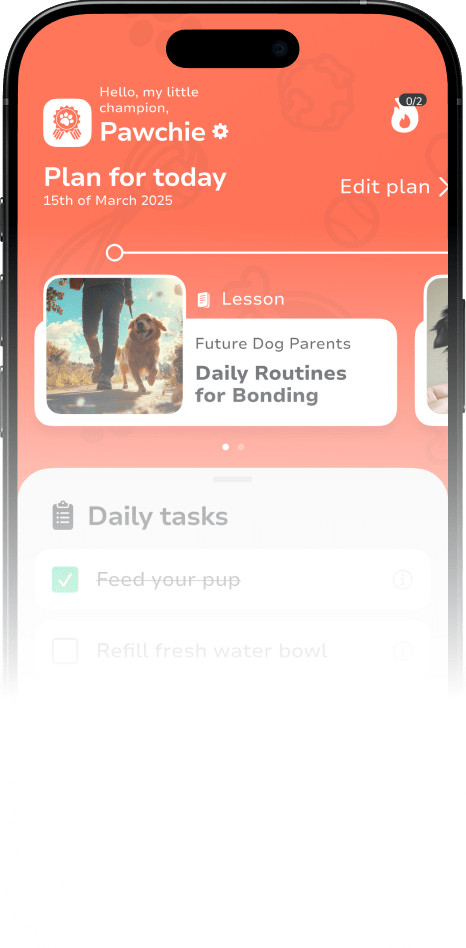
If you want a simple plan for building alone time without guessing, PawChamp can help you take a short quiz and follow step-by-step routines based on your dog’s age, setup, and current comfort level.
Why Do Dogs Struggle With Being Left Alone?
Dogs can struggle with being left alone for a bunch of totally normal reasons. Some are emotional, some are skill-based, and some are about the environment.
Leaving dogs home alone is not an automatic skill for many dogs. If they have not been gradually taught how to settle without people, they panic or get busy.
If you welcome a rescue dog with past trauma or a dog that has developed separation anxiety, they may struggle to settle even when you are not in the same room, let alone when you have to leave the house.
💡 Think about it:
Dogs may also experience noise sensitivity when left alone. Hallway sounds, neighbours, construction, storms, or city noise can keep them on alert, especially when nobody is there as a “safe anchor.”
Factors That Affect How Long Dogs Can Be Left Alone
Aside from conditions like separation anxiety, things like dog temperament, as well as age and breed, can impact the amount of time they can manage alone. Here are a few things to consider:
Age – puppies and seniors may need frequent potty breaks to make sure there are no inside accidents.
Small and toy breeds will also have different potty break needs than larger dogs due to the size of their bladder.
Practice time – most dogs need to practice being left alone for short periods of time first, then built up to longer periods.
💡 Expert Advice
Before leaving any dog alone, meet their needs
Dog Breeds That Tolerate Being Alone Better
There are many dogs that can be left alone, and breed can play a small role in this, though there are no guarantees. In general, dogs bred to work closely with people, stay on alert, or problem-solve all day (herding breeds, many working and guardian breeds, terriers, and some northern/spitz types) often struggle more with leaving dog home alone while at work or for longer periods during the day.
Some sighthounds (like Greyhounds and Whippets) tend to be calmer indoors and may settle more easily once their needs are met. Regardless of breed, gradual alone-time training, predictable routines, and enough enrichment are the biggest predictors of success.
How Long Can Dogs Be Left Alone?
As we’ve learned so far, there are a variety of factors that go into leaving dogs alone but here is some general guidance:
Puppies under 6 months can be left 2-3 hours between breaks, especially if sleeping.
When leaving an adult dog alone some may require a little break partway through the day, while others may last an entire workday with practice.
Seniors will be similar to puppies, requiring a stretch and potty break every few hours.
Whenever possible, I recommend breaks every four hours, especially if the dog will be in a crate during their alone time.
If your dog struggles with being alone or shows signs of stress, it may be a sign of separation anxiety. The PawChamp quiz can help you understand your dog’s behavior and suggest simple daily steps to reduce anxiety.
How To Prepare Your Dog To Stay Home Alone?
There are a few important things to consider to make sure you set your home and your dog up for successful alone time. This is how to leave your dog home alone:
First, set up their area – a crate, exercise pen, baby gates, or a small dog proofed spot like a bathroom, laundry room, or hallway. Have water available and a toy that is safe to be left with them.
Take them for a walk and ensure they’ve had any meals they are due for. If you need to feed your dog, remember that using food puzzles is great mental stimulation for dogs.
Start off with small moments of separation and increase their time alone only if they’re successful. If your dog struggles with even the slightest bit of alone time, work with a professional trainer who specializes in separation anxiety.
And finally, when you’re able to leave them alone for periods of time, create a simple routine for when you have to leave.
💡 Tip:
With my dog, I get ready and tell her I love her and will see her soon in a positive, calm voice before leaving.
Common Mistakes Dog Owners Make When Leaving Dogs Alone
These are the top 3 most common mistakes dog owners make when trying to leave their dogs alone:
Leaving dog home alone all day – for many dogs, 8+ hours is too much for them. Consider having someone come even for a 15 min break to stretch, potty and interact with people.
Pushing through separation anxiety – if your dog really struggles without you to help regulate their feelings, this requires expert support. Hire a qualified trainer who specialises in separation anxiety.
Making a big deal out of departures – it’s fine to say goodbye to your dog but making a big deal of your leaving turns your departure into “something” when it should be “nothing”.
Understanding these common mistakes can help you create a healthier, less stressful routine when leaving your dog home alone.
How PawChamp Helps With Alone-Time Training?
Leaving a dog alone is harder than it sounds because the problem isn’t “obedience.” It’s emotion, routine, and practice. PawChamp can help you build the basics in a structured way and get support when you’re stuck.
Here’s what you get:
A personalized starting point from a short quiz, so you’re not guessing what to do first.
Step-by-step routines for alone time, crate/pen setups, and calm departures.
Practical troubleshooting for common issues like whining, pacing, potty accidents, and overexcitement before you leave.
Ask a dog expert for support when you need help interpreting what you’re seeing or adjusting the plan safely.
Bottom Line
Leaving your dog home alone is a skill that most dogs need to learn, not something they automatically tolerate. Dog temperament, age, routine, environment, and past experiences all affect how long they can comfortably manage. Start with the right setup, meet your dog’s needs before you go, and build alone time gradually. When in doubt, aim for breaks every four hours and get expert support if you see signs of true distress.