A ansiedade em cães pode transformar até o cachorro mais comportado em um verdadeiro caos. Se seu cãozinho entra em pânico sempre que você sai — latindo, roendo ou andando de um lado para o outro — não é porque ele está se comportando mal. É porque ele está sofrendo. A boa notícia? Você pode ajudá-lo a se sentir mais seguro e confiante, e isso não envolve sair pela porta como um ninja.
Dicas e aprendizados principais:
Alguns cães têm dificuldades de ficar sozinhos por causa de mudanças na rotina, experiências passadas ou por não terem aprendido a independência cedo.
Os sinais de ansiedade de separação incluem latidos, andar de um lado para o outro, roer, salivação excessiva e tentativas de fuga quando você sai.
O progresso vem com um treino gradual para ficar sozinho, partidas calmas e dando ao seu cachorro um “trabalho” simples para fazer.
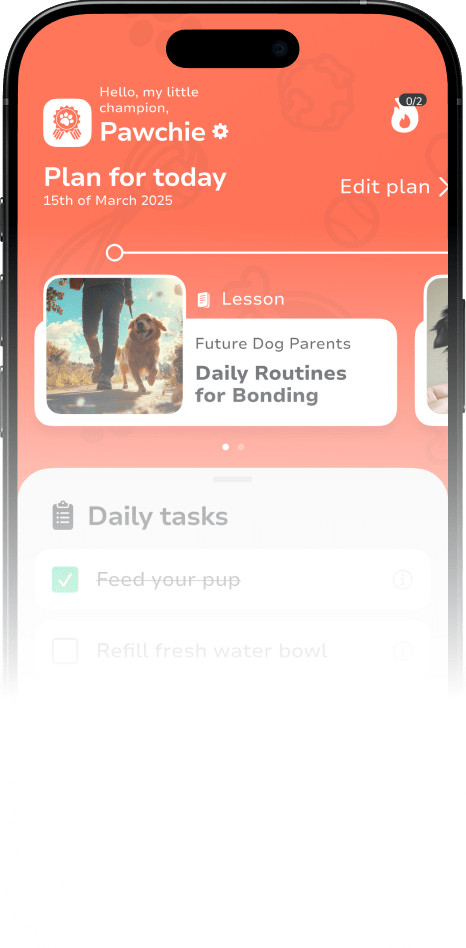
PawChamp apoia você com passos baseados em especialistas, progresso rastreável e orientação extra quando precisar.
Se você quiser um pouco mais de estrutura enquanto trabalha nisso, o app PawChamp pode guiar você passo a passo. Ele transforma essas ideias em um plano claro que você pode seguir em casa, com técnicas baseadas em especialistas, exercícios simples e progresso que você pode acompanhar ao longo do tempo — assim você não fica na dúvida sobre o que fazer a seguir toda vez que pega suas chaves.
Por que alguns cães têm dificuldade de ficar sozinhos?
Os cães não ficam ansiosos sem motivo. Eles são criaturas de hábito e, quando o mundo deles muda de repente — talvez você tenha começado um novo emprego, se mudado para outra casa ou alguém que eles amavam não está mais por perto — isso pode abalar o senso de segurança deles. Cães resgatados, em particular, podem ter experiências passadas de abandono, o que os torna mais propensos à ansiedade quando ficam sozinhos.
Alguns cães simplesmente são assim. Filhotes que nunca foram ensinados a ficar sozinhos podem crescer sentindo que toda separação é o fim do mundo. Outros são simplesmente mais apegados. Se seu cachorro segue você de um cômodo para outro como uma pequena sombra de quatro patas, ele pode precisar de uma ajudinha para aprender a ficar bem sozinho.
A ansiedade de separação é um problema comportamental desafiador, e não um problema de desobediência, mas com paciência e manejo cuidadoso, podemos ajudar nossos cães a se sentirem seguros e relaxados quando estão sozinhos em casa.
Como é a ansiedade de separação em cães?
É uma coisa seu cachorro ficar um pouco triste quando você sai. É outra quando ele entra em modo de colapso total. Se você chega em casa e encontra móveis roídos, ouve latidos sem parar pela câmera de segurança, ou encontra “presentes” inesperados no chão (mesmo que seu cachorro seja treinado para fazer as necessidades no lugar certo), ele pode estar sofrendo de ansiedade de separação. Outros sinais comuns incluem salivação excessiva, andar de um lado para o outro e até tentativas de fuga — como tentar cavar a porta como se estivesse estrelando A Grande Fuga.
Se você está vendo alguns desses sinais e não tem certeza da gravidade, pode ajudar ter uma segunda opinião. O recurso Pergunte aos especialistas no PawChamp permite que você compartilhe o que está acontecendo (quando começou, o que seu cachorro faz quando você sai e o que você já tentou) e receba orientações práticas sobre os próximos passos.
Treinamento para ansiedade de separação em cães
Então, como ajudar seu cachorro a se sentir bem quando você não está por perto? A resposta não é uma solução rápida, mas com consistência, paciência e a abordagem certa, seu cachorro pode aprender que ficar sozinho não é tão ruim assim.
Treino gradual para ficar sozinho
Imagine ser jogado em uma situação em que você fica sozinho de repente, sem aviso prévio.
Não é divertido, né? Em vez de desaparecer por horas, deixe seu cachorro sozinho por apenas alguns minutos. Saia de casa, volte e aja como se não fosse nada demais. Vá aumentando o tempo gradualmente para que ele ganhe confiança no seu retorno.
Como sair sem desencadear ansiedade?
Entendemos — é difícil sair quando seu cãozinho te olha como se você o tivesse traído. Mas fazer um drama na hora de sair só reforça o medo dele. Em vez disso, mantenha as despedidas casuais e relaxadas. Um simples “Até logo” (sem abraços dramáticos) já basta.
Melhor estimulação mental para cães quando estão sozinhos
O tédio e a ansiedade andam juntos. Manter seu cachorro mentalmente ocupado enquanto você está fora pode fazer toda a diferença. Um tapete de lamber congelado, um alimentador interativo ou um brinquedo que libera petiscos pode mantê-lo entretido, tornando o tempo sozinho menos estressante e mais recompensador. Certifique-se de que seu cachorro não tem o hábito de mastigar e comer os objetos que você deixa para ele.
Ansiedade de separação: melhores brinquedos
Se seu cachorro segue você para todo lado (até para o banheiro — sim, a gente viu), tente ajudá-lo a se sentir confortável em um cômodo separado enquanto você está em casa. Dê um brinquedo para roer ou um petisco e afaste-se por 10 a 30 segundos, aumentando esse tempo aos poucos. Esse pequeno hábito ensina que ele não precisa estar grudado em você 24 horas por dia. Brinquedos interativos como alimentadores de quebra-cabeça ou bolas que liberam petiscos podem mantê-lo focado e relaxado enquanto você estiver fora.
Como o PawChamp pode ajudar?
A ansiedade de separação não é difícil só para seu cachorro — é estressante para você também. Por isso, o PawChamp oferece programas de treinamento baseados em especialistas, projetados para ajudar cães ansiosos a ganhar confiança e se sentirem mais tranquilos quando estão sozinhos.
Com o PawChamp, você terá:
Planos de treinamento passo a passo que ajudam seu cachorro a se sentir mais confortável sozinho, gradualmente.
Conselhos de especialistas sobre técnicas de reforço positivo para reduzir a ansiedade.
Ideias de enriquecimento para manter seu cachorro engajado e mentalmente estimulado enquanto você estiver fora.
Ajudar seu cachorro a superar a ansiedade de separação leva tempo, mas com a abordagem certa, ele vai aprender que ficar sozinho não é o fim do mundo — é apenas mais uma parte da rotina dele.
Conclusão
Ansiedade de separação não é sobre desobediência — é sobre medo. Cães que entram em pânico quando ficam sozinhos precisam de ajuda para se sentirem seguros, não de punição. Com paciência, as ferramentas certas e o apoio do PawChamp, seu cachorro pode aprender a ficar calmo enquanto você estiver fora. Leva tempo, mas a mudança é real — e sim, seu sofá vai sobreviver.