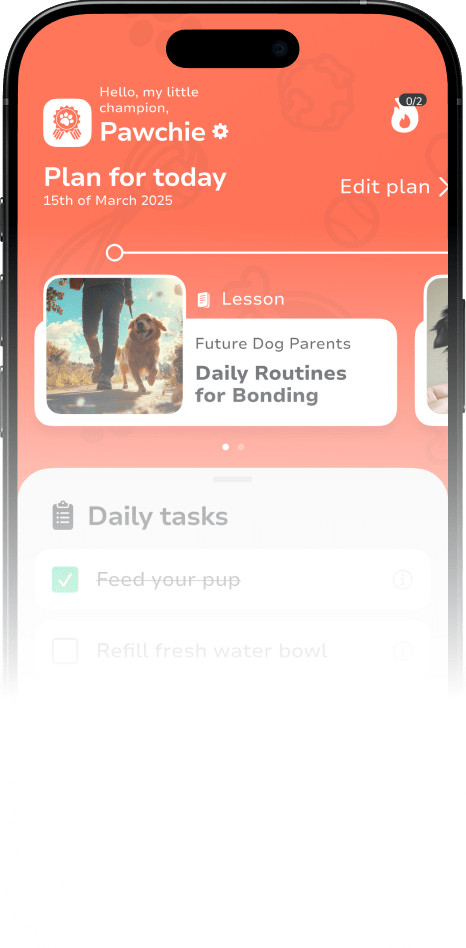
Vamos admitir. Mordidas de filhote durante a brincadeira podem ser dolorosas, sem falar que são irritantes. Se sua casa agora está cheia de latidos, carinhos e aquelas mordidinhas, estamos aqui para ajudar você com dicas para mordidas de filhotes.
O adestramento de filhotes usando uma abordagem de reforço positivo incentiva filhotes e cães adultos a aprenderem por meio da brincadeira, descoberta e recompensa. É a única forma correta de treinar, e também a mais eficaz, pois estimula a participação e cooperação sem recorrer ao medo, intimidação ou dor.
Dicas principais
Mordidas de filhote são normais, mas você pode ensinar um comportamento oral mais gentil por meio da inibição da mordida
A maioria dos picos de mordidas acontece durante a troca de dentes, superestimulação ou momentos de “zoomies” por cansaço
Redirecione imediatamente para brinquedos e objetos para mastigar, depois recompense as escolhas calmas
Pausas curtas (não punições) ensinam aos filhotes que brincadeiras bruscas acabam com a diversão
Sono e rotina são importantes, pois filhotes cansados mordem mais forte e com mais frequência
Se as mordidas parecerem rígidas, rosnando ou baseadas no medo, desacelere e busque orientação profissional
Se você quer um plano simples para seguir, o teste PawChamp ajuda a escolher um foco inicial baseado na idade do seu filhote, rotina e nos principais gatilhos das mordidas.
Por que os filhotes mordem tanto?
Morder, beliscar e usar a boca são naturais nos filhotes. São atividades sociais normais que envolvem os filhotes usando a boca para explorar o ambiente. Eles começam fazendo isso com os irmãos da ninhada e estendem para todos os membros da família, inclusive você.
Superestimulação, troca de dentes, aprender a sensação de diferentes coisas e comunicar que não estão confortáveis com certas situações são algumas das razões pelas quais os filhotes mordem.
Os dentes dos filhotes são afiados, e eles exploram o mundo com a boca. A habilidade chave que você está ensinando é a inibição da mordida: aprender quanta pressão é “demais”. Os filhotes geralmente começam a aprender isso com os irmãos da ninhada, mas como eles são separados cedo, cabe a você treinar seu filhote com reforço positivo, nosso guia de dicas para mordidas de filhotes e bons hábitos de mastigação.
Morder com a boca aberta vs morder
Todos os filhotes mordem, beliscam e usam a boca. Então, qual é a diferença? A maior parte do comportamento de usar a boca é normal. “No entanto, alguns filhotes mordem por medo ou frustração, e esse tipo de mordida pode indicar problemas com agressividade futura," explica a ASPCA. Uma ótima forma de diferenciar é observando a linguagem corporal do seu filhote.
Já nas mordidas, a linguagem corporal é bem diferente. "Se seu filhote faz um escândalo, o corpo dele pode parecer muito rígido ou congelado. Ele pode puxar os lábios para trás para mostrar os dentes ou rosnar. Quase sempre, as mordidas dele serão muito mais dolorosas do que o uso normal da boca durante a brincadeira.
Verificação rápida: isso é uso da boca na brincadeira ou um problema?
Uso da boca na brincadeira geralmente parece um corpo relaxado, movimento saltitante e fácil redirecionamento para um brinquedo
Mordidas por estresse ou frustração geralmente parecem corpo rígido, congelamento, rosnados, mordidas fortes repetidas e dificuldade para interromper o comportamento
Treinamento para inibição da mordida do filhote
Os filhotes ganham seu primeiro conjunto de dentes entre cinco e seis semanas. Aos 16 semanas, começam a perder os dentes de leite, e os dentes permanentes começam a aparecer. Quando chegam aos 6 a 7 meses, já terminaram a troca de dentes e têm todos os 42 dentes.
Filhotes adoram puxar roupas, morder sapatos e brincar com esses dentinhos pequenos. Ele está apenas vivendo um momento típico de filhote e não está se comportando mal. Imagine ser um filhote pequeno tentando se virar no mundo humano sem os irmãos ou a mãe.
Se você olhar por essa perspectiva, vai entender muito melhor seu novo peludinho e criar a base para um adestramento melhor, com reforço positivo.
Preparar seu filhote para o sucesso com nossas dicas para mordidas de filhotes é a única forma de treinar sem punição, sem repreensões duras, apenas com incentivo gentil, muitas recompensas valiosas e brinquedos divertidos para cachorro.
💡 Dica:
Gentileza e reforço positivo no treino de filhotes são fundamentais. Não ignore, redirecione e use paciência e consistência!
Como disciplinar um filhote: 5 dicas que realmente funcionam
Treine com amor! Nunca use punição ou repreensões. Exercícios regulares também são fundamentais para um filhote feliz, cansado e para um estilo de vida saudável. Reservar um tempo para brincar todos os dias é uma ótima forma de dar ao seu peludinho o exercício que ele precisa.
Gaste a energia mental e física do seu filhote com exercícios, brincadeiras e brinquedos interativos. Isso vai melhorar a forma como seu filhote responde a você durante o treino positivo.
Redirecione imediatamente para um brinquedo. Mantenha brinquedos para mastigar ao alcance e ofereça um assim que seu filhote morder suas mãos ou roupas, ensinando o que é apropriado para morder
Pare a brincadeira quando a mordida ficar muito forte. Se seu filhote morder forte, pare a interação calmamente por alguns segundos. Isso imita como os irmãos da ninhada ensinam o controle da mordida sem medo ou punição
Recompense o comportamento oral gentil. Quando seu filhote brincar suavemente ou escolher um brinquedo em vez da sua pele, elogie ou ofereça um petisco pequeno para ajudá-lo a aprender qual comportamento ganha atenção
Gerencie a energia e a superestimulação. Muitos episódios de mordidas acontecem quando os filhotes estão cansados ou muito excitados, então equilibre o tempo de brincadeira com cochilos e atividades calmas
Seja consistente todas as vezes. Todos na casa devem responder da mesma forma às mordidas — redirecionar, pausar e recompensar — para que seu filhote aprenda mais rápido e com menos confusão
Mesmo com a abordagem certa, as mordidas de filhote nem sempre melhoram da noite para o dia — o PawChamp oferece acesso 24/7 a especialistas em cães, para que você tenha orientação clara e apoio sempre que precisar.
Answer a few quick questions and PawChamp turns these tips into a step-by-step, reward-based plan for your puppy's age and biting triggers.
Redirecione as mordidas do filhote para brinquedos
Uma boa forma de entender as mordidas de filhote é saber que existem muitas razões para as mordidas durante a brincadeira e entender o comportamento de mordida do filhote. Filhotes adoram brincar, explorar, provar e mastigar. Pode ser folhas no seu jardim, seu tapete ou um par dos seus sapatos favoritos.
💡 Dica:
Filhotes são agitados e não conseguem assimilar o conceito de "não, não faça isso." Em vez disso, eles aprendem a associar ambientes específicos, brinquedos e petiscos a um comportamento.
A melhor forma de redirecionar as mordidas do filhote é substituir sua mão ou pé por brinquedos para mastigar, especialmente se ele estiver trocando os dentes. Quando ele morde um brinquedo durante a troca de dentes, isso alivia a dor na gengiva e ajuda os dentes de leite a caírem.
Substitua sua mão ou tapete por um brinquedo para mastigar. Aqui estão algumas dicas para escolher os melhores brinquedos para mastigar durante a fase de troca de dentes do filhote.
Anéis de dentição ou mordedores para filhotes
Brinquedos para mastigar dimensionados para filhotes conforme peso e tamanho da raça
Brinquedos duráveis e resistentes para filhotes para maior segurança
Brinquedos de mastigação em forma de bastão e corda para filhotes para tempos maiores de mastigação
Brinquedos de pelúcia confortáveis que fazem barulho
Brinquedos de borracha para petiscos que podem ser congelados para aliviar a gengiva durante a troca de dentes
Brinquedos interativos com dispensador de petiscos para estimulação mental
Brinquedos de ação para buscar, brincar e mastigar
O que fazer quando seu filhote está mordendo?
Sempre use um manejo calmo ao treinar um filhote para controlar o uso da boca. Se você estiver agitando as mãos, correndo e deixando seu filhote animado, ele vai reagir e ficar excitado. Tente brincadeiras sem contato para que os dentes do seu filhote não toquem sua pele.
Aqui estão algumas coisas divertidas para fazer com seu filhote:
Brinque de buscar juntos
Treine seu filhote para largar a bola para que sua mão não entre em contato com a boca dele
Divirta-se com um jogo de cabo de guerra e ensine seu filhote a "largar"
Incentive muita brincadeira com uma variedade de brinquedos para cachorro com diferentes texturas, materiais e cheiros
Deixe seu filhote dormir a quantidade certa todos os dias (13 horas ou mais), ou ele vai ficar irritado
Ao escolher atividades calmas e estruturadas, você pode reduzir o comportamento de morder e ajudar seu filhote a aprender formas apropriadas de brincar e interagir.
Socialize e exercite para parar o comportamento de mordidas do filhote
Cansar seu filhote! Equilibre atividade com cochilos. Filhotes mordem mais quando estão cansados demais, então aposte em brincadeiras curtas, momentos calmos e bastante sono entre as sessões.
Uma ótima forma de treinar seu filhote é deixá-lo socializar com outros filhotes e cães mais velhos e levá-lo para aulas de jardim de infância para filhotes dos 8 aos 16 semanas. Se seu filhote ficar agitado enquanto brinca com outros filhotes e cães, o outro filhote ou cão vai dar um grito alto. É por meio desse tipo de interação que seu filhote aprende a controlar o reflexo de morder.
Com um pouco de planejamento, você deve incorporar uma rotina diária de treino para acabar com hábitos destrutivos de mastigação do filhote.
Ensine comportamentos básicos para que ele associe a palavra correta ao comportamento desejado
Antes de ensinar qualquer coisa, ensine seu filhote a reconhecer o nome dele
Ensine "Senta", "Deita", "Fica", "Espera" e "Larga"
Depois, introduza o comando de chamada ou "vem"
Ensine seu filhote a andar calmamente na guia
Participe de aulas de obediência para filhotes usando reforço positivo para que seu cachorro se divirta durante o treino e conheça outros cães. Aulas de adestramento com um adestrador credenciado são ótimos recursos para novos familiares do pet que buscam dicas para mordidas de filhotes
Socialize seu filhote por meio de interações positivas e ambientes seguros, acostumando-o a receber festas, conhecer estranhos e ser educado perto de outros cães e pessoas
PawChamp ajuda você a encontrar o ponto de partida certo baseado no comportamento do seu filhote, para que você possa focar no que importa desde o primeiro dia.
A prática diária é fundamental
Ensine habilidades básicas de obediência ao seu filhote e use essas habilidades todos os dias. A prática diária é fundamental: você pode ensinar continuamente novos comportamentos ao seu filhote com nossas dicas para mordidas de filhotes e praticá-los por alguns minutos a cada dia durante os passeios.
Treinos regulares, junto com bastante enriquecimento diário e variedade na vida do seu filhote, vão facilitar o adestramento com as dicas para mordidas de filhotes. Isso mantém vocês dois engajados um com o outro, e seu filhote percebe como você responde ao ambiente.
Consistência é a parte difícil nos dias corridos. O aplicativo PawChamp ajuda oferecendo passos curtos e focados para praticar, para que você não precise lembrar de dez dicas ao mesmo tempo.
Você também precisará prestar atenção ao que seu cachorro está fazendo, e ele vai buscar sua orientação. Aqui está o que NÃO fazer:
Nunca puna seu filhote ou fique bravo com ele
Não treine seu filhote quando houver muitas distrações ao redor. Ele precisa focar em você, não no que está acontecendo ao redor
Nunca ignore os fundamentos do treino positivo e reforço para bom comportamento. (Ignore o comportamento ruim e recompense o comportamento desejado)
Nunca puna seu filhote por fazer algo errado; caso contrário, ele perderá a confiança em você
Não comece o treino do filhote pelos básicos se achar que isso vai confundi-lo. Trabalhe com um adestrador positivo e aproveite as aulas divertidas de adestramento para filhotes. Você vai aprender as formas corretas de treinar e como usar nossas dicas de adestramento para filhotes para lidar com mordidas
Como parar as mordidas do filhote?
Se você quer parar um filhote de morder, use os fundamentos do adestramento canino focando em reforço positivo e consistência. Prevenção e manejo são essenciais para evitar comportamentos indesejados e aprender como parar as mordidas do filhote.
Por exemplo, se você não quer que seu filhote morda sua mão, dê imediatamente um brinquedo para mastigar e afaste sua mão. Não deixe objetos ao alcance para evitar que ele tenha acesso e os mastigue.
Filhotes gostam de mastigar tudo perto deles, então se você deixar seu tapete caro ao alcance, não culpe seu filhote se ele for destrutivo.
Se seu filhote apresentar um comportamento que você não gosta, você precisa organizar sua casa para que ele não possa praticar comportamento destrutivo. Ensine comportamentos substitutos e incentive-o a mastigar seu brinquedo Kong congelado com recheio de pasta de amendoim favorita.
Como acalmar um filhote que morde?
Uma reclamação comum de todo familiar do pet é: "Por que os filhotes mordem?" A idade, tamanho e temperamento do seu filhote influenciam no treino para parar as mordidas. Também lembre-se que filhotes esquecem seus “novos comportamentos” se não forem praticados diariamente.
Quando seu filhote não faz o que você quer, ele não está sendo malcriado ou teimoso. Ele não entende o que você quer que ele faça. Veja o que fazer:
Seja consistente no treino e volte ao passo um quando seu filhote não estiver entendendo o que você pede
Reserve um tempo diário para um treino de qualidade com seu filhote.
Esconda um petisco ou brinquedo para mastigar dentro do cobertor ou toalha do seu filhote e brinque de encontrar
Ensine com paciência e construa a confiança do seu filhote, mas pare as mordidas imediatamente porque podem sair do controle
Leve-o para comprar brinquedos para mastigar com você e socialize com ele
Com paciência, prática diária e a orientação certa, seu filhote vai aprender a ficar calmo e substituir as mordidas por um comportamento gentil e apropriado.
Rotina de treino para reduzir as mordidas
Os fundamentos mais importantes do adestramento canino com reforço positivo são reforçar os comportamentos desejados, ignorar os comportamentos ruins e dividir os comportamentos ruins em pequenos passos.
Durante o treino do filhote, ele vai aprender a confiar em você, e essa confiança se baseia em saber que ele nunca será punido, mesmo que erre o comportamento no começo.
💡 Pense nisso:
Essa confiança precisa durar por toda a vida do seu cachorro para que ele viva sem medo de repreensão, independentemente do que faça.
Dicas úteis para treinar mordidas e beliscões do filhote para reforçar essa rotina
A chave para prevenir comportamentos como beliscar e usar a boca é interrompê-los antes que comecem.
Recompense brincadeiras gentis com petiscos valiosos e brinquedos para mastigar divertidos e coloridos quando ele usar a boca calmamente
Redirecione mordidas e beliscões para um brinquedo apropriado assim que os dentinhos dele tocarem sua pele.
As sessões de treino devem ser curtas, divertidas e calmas
Pare de brincar com seu filhote por alguns segundos se ele continuar com brincadeiras bruscas ou mordidas
Mantenha uma rotina diária previsível para o filhote que inclua passeios, brincadeiras, sessões de treino positivo e bastante sono
Sempre mostre ao seu filhote o quanto você o ama por meio de interações gentis e treino consistente
Congele brinquedos para mastigar para aliviar a troca de dentes do filhote e consulte seu veterinário se seu filhote estiver tendo dificuldades com a troca de dentes
Assista vídeos no YouTube e leia sobre adestramento para mordidas de filhotes
Sempre saiba o que você quer antes de começar o treino com nossas dicas para mordidas de filhotes. Leia sobre adestramento positivo, assista vídeos e participe de algumas aulas com seu filhote até pegar o jeito. A última coisa que você quer é confundir seu filhote.
Quando seu filhote não faz o que você quer e você quer ter vantagem no treino para mordidas, sempre faça o seguinte:
Use comandos verbais claros e consistentes ou sinais manuais
Use comandos curtos como "senta" em vez de "senta aí"
Torne o treino com reforço positivo divertido e curto, sempre terminando com algo positivo
Recompense frequentemente com petiscos valiosos, brinquedos para mastigar e muitos elogios
Tenha expectativas realistas. Você está treinando um filhote, e embora o cérebro dos filhotes seja como uma esponja, eles podem aprender muito em pouco tempo quando não estão estressados durante o treino para mordidas. Lembre-se que você também pode acessar adestramento positivo online e dicas para mordidas de filhotes
Treino básico de obediência
Se precisar de ajuda extra com dicas para treino positivo, encontre um adestrador profissional que use apenas métodos positivos. Lembre-se que todos na família precisam ser consistentes com as dicas para mordidas de filhotes, caso contrário você vai confundir seu filhote.
O treino para mordidas do filhote exige tempo, paciência e consistência. Tente criar uma rotina de treino para dormir, comer, passear e brincar. Sempre torne o treino positivo divertido e lembre-se de comprar aqueles brinquedos para mastigar.
Como o PawChamp ajuda com mordidas de filhotes?
As mordidas de filhote melhoram mais rápido quando todos respondem da mesma forma, todas as vezes. O PawChamp ajuda você a manter a consistência com passos baseados em recompensas e oferece suporte quando algo não parece ser “coisa normal de filhote”.
Veja o que você recebe:
Um ponto de partida personalizado a partir de um teste curto, para que você foque na solução certa primeiro
Orientação passo a passo para inibição da mordida, redirecionamento e rotinas de brincadeiras calmas
Estrutura diária simples que ajuda a reduzir picos de superestimulação e melhora os cochilos
Suporte com especialista em cães se as mordidas aumentarem ou não melhorarem com a prática
Receba um plano claro, passo a passo, personalizado para seu filhote e comece a ver progresso em apenas alguns minutos por dia com o PawChamp.
Conclusão
Morder é normal em filhotes, mas não deve ser ignorado. Ensine a inibição da mordida por meio de redirecionamento calmo, pausas curtas quando a brincadeira ficar agressiva e recompensas por comportamentos de boca suaves. Mantenha seu filhote bem descansado e ofereça brinquedos seguros para mastigar, pois filhotes cansados e em fase de dentição mordem mais. Se a mordida vier acompanhada de postura rígida, rosnados ou mordidas fortes repetidas, busque ajuda cedo.