Le razze di cani di taglia grande hanno un seguito fedele per una ragione. Ma scegliere il cane grande giusto è dove la maggior parte delle persone sbaglia — si innamorano dell'aspetto e saltano i calcoli sullo stile di vita. È così che gli Husky finiscono in appartamenti monolocali.
Ogni razza grande porta con sé generazioni di istinti, spinte specifiche e bisogni che non scompaiono solo perché vuoi un compagno per le coccole. Trova l'abbinamento giusto e la tua vita diventerà più rumorosa, più pelosa e infinitamente migliore!
Concetti chiave
Le razze grandi hanno esigenze specifiche e richiedono una sincera autovalutazione prima di impegnarti.
Le razze grandi superano tipicamente i 23–27 kg, mentre i giganti superano i 40–45 kg, e la differenza in cura, spazio e costi è significativa.
Le razze grandi più adatte alle famiglie sono affettuose, pazienti, tolleranti, poco reattive e capaci di mantenere la calma con un bambino piccolo imprevedibile.
I bisogni insoddisfatti nelle razze da lavoro ad alta energia come Husky e Labrador possono essere un grosso problema.
La muta nei cani grandi è più uno stile di vita. Una spazzolatura costante è uno dei modi più economici ed efficaci per prendersi cura del pelo del tuo cane grande.
Se sei allergico, razze grandi ipoallergeniche come il Barboncino Standard e lo Schnauzer Gigante ti offrono tutta l’esperienza del cane grande con molto meno forfora.
Concentrati su un’alimentazione di qualità, cura delle articolazioni e nutrizione a crescita lenta fin da cucciolo.
Non esiste la razza grande perfetta. Esiste solo quella giusta per la tua vita, e trovare quell’abbinamento vale ogni ricerca.
Cosa sono le razze di cani di taglia grande? Dimensioni, peso e classificazione dei giganti
Quando ci chiediamo, “Qual è la razza di cane più grande al mondo?” la parola “grande” ha molte interpretazioni. Se grande = alto, l’Alano detiene il record mondiale. Se grande = potente, il Pastore del Kangal è al primo posto. Se grande = grande personalità, nessuno può davvero battere un Chihuahua! (LOL)
Per questo articolo, limitiamo la definizione di “cani di razza grande” a quei cani il cui peso adulto sano supera i 23–27 kg e l’altezza al garrese raggiunge almeno 58 cm. Golden Retriever, Boxer, Pastori Tedeschi, Barboncini Standard sono alcuni dei preferiti dal pubblico.
Esiste anche un punto in cui un cane smette di essere grande e diventa un “gigante.” Le razze di cani giganti superano i 40–45 kg e sono significativamente più alti. Mastino Inglese, Alano, San Bernardo sono alcuni dei tanti adorabili giganti.
Test rapido prima di scegliere una razza grande
Se rispondi “no” a più di una di queste domande, scegli una razza a bassa manutenzione o pianifica un supporto in anticipo:
Puoi realisticamente fornire 60–90 minuti di esercizio quotidiano (o lavoro strutturato) per razze ad alta energia?
Sei in grado di gestire in sicurezza un cane forte al guinzaglio in situazioni con distrazioni reali?
Puoi permetterti i costi di una razza grande (cibo, prevenzione, addestramento, visite veterinarie più costose) per più di 10 anni?
Riesci a mantenere una routine costante (pause, addestramento, momenti di relax), anche nelle settimane impegnative?
Sei disposto a impegnarti in un addestramento precoce per prevenire salti, tirate e abitudini di “caos da cane grande”?
Hai risposto “no” più di una volta? Non è un ostacolo — è un punto di partenza. Un esperto di cani può aiutarti a prepararti nel modo giusto.
Le 10 migliori razze di cani grandi per famiglie e protezione
Le migliori razze di cani grandi non ti fanno scegliere tra un cane che ama i tuoi figli e un cane che li protegge. Sono entrambe le cose. Vediamo alcune razze di cani grandi che non solo sono ottimi cani da compagnia sovradimensionati, ma anche eccellenti protettori.
Labrador Retriever: cane grande amichevole per la famiglia
Il Labrador Retriever è lo standard d’oro dei cani grandi adatti alle famiglie — naturalmente affettuoso, infinitamente paziente e genuinamente caloroso con chiunque incontrino.
Dati rapidi:
Peso: maschi 65–80 libbre, femmine 55–70 libbre
Pelo: corto, a bassa manutenzione — una spazzolatura settimanale è sufficiente
Livello di energia: alto — prospera con spazio per correre e persone da adorare
Facilità di addestramento: uno dei cani più facili da addestrare, grazie alla loro natura desiderosa di compiacere
I Labrador Retriever sono straordinariamente versatili — cani da servizio, cani per il rilevamento di esplosivi, compagni di terapia. Si adattano perfettamente a famiglie attive e si legano a ogni membro, dai bambini agli anziani.
💡 Un avvertimento:
Un Labrador lasciato solo troppo a lungo riarrederà il tuo divano. Considerati avvisato!
Pastore tedesco: razza di cane da guardia intelligente
Se i cani festeggiassero i giorni di laurea, i pastore tedeschi sarebbero probabilmente i migliori della classe super eccellenti! Con un potenziale infinito, questi cani leali e con una concentrazione affilata come un rasoio sono diventati la razza di cane poliziotto più diffusa al mondo.
Uno sguardo di un pastore tedesco al lavoro basta a far dubitare un adolescente delle proprie scelte di vita. Questa intelligenza e determinazione spesso si accompagnano al bisogno impellente di avere un lavoro per prosperare in un ambiente familiare.
Dati rapidi:
Peso: maschi 65–90 libbre, femmine 50–70 libbre
Pelo: folto doppio mantello — spazzolare 2–3 volte a settimana, quotidianamente durante la muta
Ideale per: proprietari attivi ed esperti che possono fornire esercizio fisico e stimolazione mentale seria
Facilità di addestramento: concentrazione affilata — i pastori tedeschi prosperano quando hanno un lavoro da fare
Un pastore tedesco annoiato si troverà un lavoro da solo che, credimi, NON sarà uno spettacolo piacevole.
Golden Retriever: compagno gentile e leale
Se cerchi su Google “cane da famiglia,” c’è il 99,9% di probabilità che una delle prime 3 immagini sia quella di un Golden Retriever. Questi cani stabili e ultra affettuosi sono razze di cani grandi perfette e calme — e sono la prima scelta come cani da terapia proprio per questo motivo.
Possono sopportare le feste di gioco dei bambini piccoli, le serate del sabato dei teenager, le sessioni di terapia degli adulti e i tè degli anziani, divertendosi un mondo!
Dati rapidi:
Peso: 55–75 libbre
Pelo: bellissimo doppio mantello fluente — spazzolatura 3–4 volte a settimana
Temperamento: stabile, calmo, ultra affettuoso con tutti
Famoso per: cane da terapia, compagno di famiglia, amante delle persone a tutto tondo
💡 Pensaci:
Avere un Golden Retriever in casa significa prepararsi a trovare il suo glitter dorato (pelo) ovunque e in ogni momento!
Siberian Husky: razze di cani da lavoro
Basta guardare un Siberian Husky e il primo pensiero che viene in mente è “Sto praticamente vivendo con un lupo in casa.” Sebbene possano sembrare molto simili, il loro comportamento e i tratti della personalità stanno a metà strada tra un “predatore selvatico” e un “cane indipendente.” Gli Husky sono stati allevati per correre lunghe distanze, e questa spinta è nel loro DNA.
Dati rapidi:
Peso: maschi 45–60 libbre, femmine 35–50 libbre
Livello di energia: uno dei cani grandi più attivi che incontrerai
Bisogno di esercizio: esercizio quotidiano serio — senza di esso, canalizzeranno quell’energia in distruzione creativa
Personalità: indipendente, vocale e pieno di drammi degni di un Oscar
Oltre a essere un cane da lavoro, gli Siberian Husky sono famosi per le loro vocalizzazioni degne di un’opera e per i drammi degni di un Oscar. Non c’è mai un momento noioso con questi cani.
San Bernardo: grande cane da soccorso
I Bovari del Bernese sono famosi come “Giganti gentili.” Ma sapevi che sono stati allevati principalmente per il loro coraggio e forza per salvare vite in uno degli ambienti più duri della Terra? Sono cani di famiglia straordinari per la loro affinità con i bambini, gli altri animali e il loro temperamento calmo e gentile.
Dati rapidi:
Peso: maschi 140–180 libbre, femmine 120–140 libbre — veri membri della categoria dei cani grandi bianchi
Temperamento: calmo, gentile e infinitamente affettuoso
Livello di energia: moderato — felice di dormire fino a tardi la domenica e fare Netflix e relax a mezzogiorno
Bisogno di esercizio: attività moderata per mantenerli in forma fisica e stimolati mentalmente
💡 Infine:
Con un San Bernardo non avrai più bisogno di un umidificatore — assicurati solo di essere nella zona di spruzzo quando scuote la sua faccia piena di bava!
Rottweiler: potente cane da guardia per famiglie
Pur essendo uno dei cani più profondamente affettuosi che incontrerai, i Rottweiler possono essere un disastro nelle mani sbagliate. Questi cani sono sicuri di sé e molto più affettuosi e intelligenti di quanto si creda. Hanno un istinto protettivo naturale che si attiva proprio quando serve. La loro natura vigile, attenta e protettiva, unita al loro aspetto imponente, li rende una delle razze più ricercate.
Dati rapidi:
Peso: maschi 95–135 libbre, femmine 80–100 libbre
Pelo: corto, a bassa manutenzione — una spazzolatura settimanale è sufficiente
Ideale per: proprietari esperti che possono capire e addestrare un Rottweiler
Facilità di addestramento: questa razza da guardia risponde molto bene al rinforzo positivo — inizia il prima possibile
La loro reputazione spesso induce a credere che serva una “mano ferma.” Ma, come addestratore certificato che ha lavorato con diversi Rottweiler, posso garantire che rispondono molto bene al rinforzo positivo. È altamente consigliato iniziare l’addestramento di questa razza da guardia il prima possibile.
Alano: gigante gentile da famiglia
Con un’altezza fino a circa 81 cm al garrese, l’Alano è un gigante inconfondibile — eppure è uno dei cani grandi più gentili che esistano, con un cuore d’oro.
Dati rapidi:
Peso: 110–175 libbre
Altezza: fino a circa 81 cm al garrese
Temperamento: affettuoso, tollerante, calmo in casa — soprannominato “il cane da compagnia più grande del mondo”
Bisogno di spazio: spazio più ampio soprattutto per non far cadere oggetti mentre cammina o si gira
💡 Consiglio:
I Alani sono quasi della dimensione di un pony, il che significa che se ne porti uno a casa, devi essere completamente preparato alle realtà della loro taglia — da spese veterinarie e alimentari più alte a un addestramento adeguato e una gestione sicura.
Bovaro del Bernese: grande compagno di famiglia peloso
Queste splendide razze di cani grandi e pelosi sono compagni di famiglia meravigliosi, soprattutto per la loro adorazione senza freni per le persone, in particolare i bambini. I San Bernardo sono stati originariamente allevati come cani da fattoria versatili — per questo motivo lavorano naturalmente bene con gli umani.
Dati rapidi:
Peso: maschi 80–115 libbre, femmine 70–95 libbre
Pelo: splendido, lungo — un vero impegno a lungo termine per la toelettatura
Temperamento: adorante, orientato alle persone, con una mente propria
Ideale per: famiglie amanti della natura che possono fornire struttura e stimoli sani
Tuttavia, i San Bernardo hanno una mente propria e potrebbero non essere così desiderosi di compiacere come i tipici Labrador o Golden Retriever. Se cerchi un’obbedienza di alto livello o successi in agilità, il San Bernardo potrebbe non fare per te — ma per famiglie amanti della natura, sono un vero sogno.
Dobermann: razza di cane da protezione leale
I Dobermann non entrano semplicemente in una stanza. Fanno un controllo completo di sicurezza e emanano un’energia da capo. Quindi, se stai pensando di prenderne uno, preparati a corrispondere a quell’energia! Dotato di un fisico snello e atletico e di un’intelligenza feroce, il Dobermann è all’altezza del suo scopo — la razza perfetta da cane da protezione. Un Dobermann è fatto per stare al tuo fianco, qualunque cosa accada. Non lascia spazio a codardi, né in sé né nell’umano che sceglie.
Dati rapidi:
Temperamento: feroce lealtà, vigile, e irradia energia da capo
Pelo: corto, a bassa perdita — una pulizia settimanale è praticamente sufficiente
Attenzione a: tendenza a essere “cani velcro” — l’addestramento all’indipendenza è un must fin da cucciolo
Nota nutrizionale: un pelo lucido riflette direttamente una buona alimentazione
Pur essendo i cani da guardia più leali come razza da protezione, tendono a essere cani velcro.
💡 Consiglio:
Una delle prime cose su cui devi lavorare con un cucciolo di Doberman è l’addestramento all’indipendenza per garantire zero codependenza.
Terranova: grande cane da soccorso acquatico
Il Terranova è essenzialmente un orso che ha deciso di diventare un bagnino. Una delle razze di cani da soccorso più iconiche della storia, i Terranova venivano usati dai pescatori per il soccorso in acqua al largo della costa canadese grazie alla loro eccezionale capacità di nuotare, ai piedi palmati e a una struttura fisica abbastanza potente da salvare persone e recuperare reti da pesca pesanti. Senza attività in acqua, staresti sfruttando poco il cane.
Dati rapidi:
Peso: maschi 130–150 libbre, femmine 100–120 libbre
Pelo: ricco, spesso, doppio mantello resistente all’acqua — spazzolatura più volte a settimana e toelettatura professionale regolare
Livello di energia: bassa energia, ma alta manutenzione
Temperamento: gentile, paziente, socievole con gli estranei e famosamente dolce con gli animali
Quando non sono in servizio, sono tra i cani più gentili e pazienti che si possano immaginare. Se addestrati fin da piccoli, i Terranova formano legami eccezionali con la famiglia, specialmente con i bambini — rendendoli una delle razze di cani da soccorso grandi più amate al mondo.
Razze di cani grandi che non perdono pelo e necessità di toelettatura
Non essere avvisati in anticipo sulla muta che affronterai con alcuni cani grandi sembra un tradimento. A volte, anche quando lo sai bene, può essere uno shock brusco. In un mondo pieno di giganti che perdono molto pelo, i cani ipoallergenici sono una boccata d’aria fresca, letteralmente! Affrontiamo l’elefante peloso nella stanza.
Le migliori razze di cani grandi ipoallergenici
Se il grande sogno di avere un cane grande ti sembra irrealizzabile a causa delle allergie, una razza ipoallergenica è la tua risposta. E a proposito di ipoallergenici, non c’è razza migliore del Barboncino Standard! Questo dolce dal pelo riccio e a bassa produzione di forfora è un sogno che si avvera per le famiglie allergiche che vogliono comunque un compagno intelligente e altamente addestrabile. Sapevi che il Barboncino Standard è considerato la seconda razza di cane più intelligente al mondo?
Altri cani a bassa allergenicità nella categoria grande includono lo Schnauzer Gigante, l’Afghano e il Cane d’Acqua Portoghese. Queste razze, pur perdendo poco pelo, sono anche intelligenti, atletiche e eccezionalmente divertenti da vivere. Non è un sogno avere tutta l’esperienza del cane grande senza starnuti? Detto questo, devi sapere che nessun cane è veramente ipoallergenico. Tutti i cani producono forfora e perdono pelo in qualche misura; la differenza sta nella quantità.
Toelettatura e cura del pelo per cani grandi
Prendere un cane grande = adottare la toelettatura come stile di vita completo. Sebbene ci siano infinite informazioni e prodotti per tenere sotto controllo la muta, semplicemente spazzolare regolarmente il tuo cane grande, idealmente qualche volta a settimana, è davvero la cosa migliore che puoi fare non solo per controllare la muta ma anche per migliorare la salute della pelle e del pelo.
Una spazzola a setole combinata con un Furminator funziona meglio per eliminare il pelo sciolto che altrimenti finirebbe sui tuoi mobili.
Se hai mai dedicato tempo alla cura dei capelli, sai quanto sia importante la manutenzione del pelo per ogni razza. Tuttavia, è diversa per ogni cane. Una spazzolatura settimanale veloce basta per un Labrador, mentre un San Bernardo richiede un impegno serio di tempo e sforzo.
La buona notizia è che la costanza batte sempre l’intensità. 5 minuti ogni giorno> 1 ora ogni sabato. Investi tempo in cure cooperative, toelettatura e gestione fin da cucciolo per assicurarti che la toelettatura non sia solo senza problemi ma anche piacevole per il tuo cane grande.
Temperamento e convivenza con cani grandi
Vivere con un cane grande è una di quelle cose difficili da spiegare completamente a chi non l’ha fatto. Sì, occupano tutto il letto. Sì, scegliere il cibo giusto, le porzioni giuste, le formule a crescita lenta, ecc. conta più di quanto la maggior parte delle persone pensi. Le loro articolazioni e ossa si sviluppano diversamente rispetto a quelle delle razze piccole. E sì, vivere con cani grandi significa che il tuo spazio personale è praticamente solo un suggerimento.
Ma come qualcuno che ha esperienza diretta con un cane grande… è un’esperienza meravigliosa e che cambia la vita.
Il peso di un cane grande che si appoggia al tuo petto dopo una lunga giornata si sente in modo diverso. La loro presenza ha un’aura potente, e una volta che un cane grande ti ha scelto, non si torna indietro.
I cani grandi non “crescono e basta.” Crescono assumendo pienamente quel comportamento. Se vuoi prevenire tirate, salti e caos prima che diventino abitudini, premi il pulsante e inizia il tuo Piano PawChamp.
Come aiuta PawChamp?
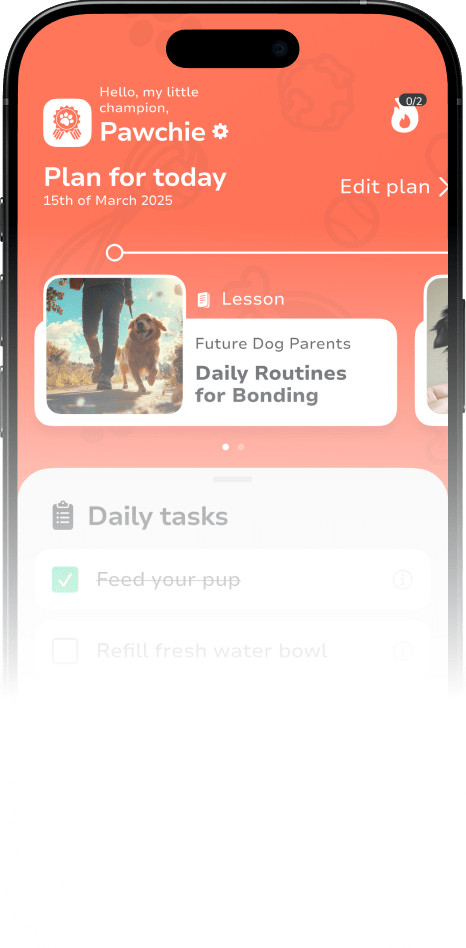
Allevare una razza grande diventa una passeggiata quando hai la guida giusta al momento giusto. Ed è proprio qui che entra in gioco PawChamp. Abbiamo un team d’élite di addestratori certificati, comportamentisti, fisiologi canini, neurobiologi e un coach di nutrizione per animali. Per le razze grandi con bisogni complessi, questa profondità di competenza conta davvero.
Usiamo metodi di addestramento scientifici e umani costruiti specificamente per i proprietari di cani moderni e urbani. Ultimo ma non meno importante, la nostra piattaforma vive sul tuo telefono… il che significa che la guida esperta è disponibile alle 2 di notte di un martedì; non solo durante una sessione programmata
Conclusione
Esiste una razza di cane grande perfetta per tutti? No. Ma da qualche parte c’è la razza giusta, il cane perfetto che si adatterà alla tua vita, al tuo spazio, alla tua energia e alla tua famiglia. La cosa migliore che puoi fare prima di portare a casa un cane grande è essere onesto con te stesso su ciò che puoi davvero offrire. Se fai bene questa parte, tutto il resto verrà da sé.