You lean in for a cuddle and your dog stretches wide into a dramatic yawn. Rude? Not really. Why do dogs yawn is a question that reveals a surprisingly rich layer of canine communication. Dog yawning isn't just about being tired — it's a nuanced signal that can mean stress, affection, or a deliberate calming message. Understanding what your dog is really saying through dog body language starts with paying attention to these small, often overlooked moments.
Key Takeaways
Why do dogs yawn — tiredness is only one reason; stress, communication, and bonding are others.
Dog yawning is often a calming signal used to de-escalate tension or express discomfort.
Context is everything: yawning during play differs from yawning at the vet.
Dog body language like yawning should be read alongside other signals, not in isolation.
Frequent, contextual yawning — especially with other anxiety signs — may need attention.
Why Does My Dog Yawn So Much? Common Reasons
Why does my dog yawn so much — and is it a problem? Most of the time, no. Why does my dog yawn a lot can include: transitioning between sleep and wakefulness, processing excitement or mild stress, or communicating something to you or another dog.
One dog owner noticed her Labrador yawned every time she raised her voice during training. Once she switched to a quieter tone, the yawning stopped within a week. That yawning wasn't boredom — it was her dog saying, 'please, let's slow down.'
🌟 Fun fact
Yawning is contagious between dogs and humans — research suggests dogs are more likely to 'catch' a yawn from their own owner than from a stranger.
Yawning as a Calming Signal in Dog Body Language
Dog body language includes a whole vocabulary of subtle signals called calming signals, first described by Norwegian trainer Turid Rugaas. Dog behavior like yawning, lip-licking, and looking away are all part of this calming language.
Why does my dog fake yawn? There isn't really such a thing as a fake yawn in dogs — even exaggerated, slow yawns are communicative. A dog who yawns deliberately during a tense moment is signaling: 'I'm not a threat, let's keep this calm.'
Is your dog yawning during specific situations — like car rides, vet visits, or busy households? That context is important data about what stresses them.
Why Does My Dog Yawn When I Pet Him or Talk to Him?
Why does my dog yawn when I pet him? Often gentle discomfort. Some dogs don't love close-contact petting, particularly on the head or face. The yawn is a polite way of saying, 'I'm a bit uncomfortable with this, please ease up.'
Why does my dog yawn when I talk to him? Intense eye contact or leaning over your dog can feel overwhelming. Why does my dog yawn in my face specifically? Often a response to being spoken to very closely — your dog is signaling they'd appreciate a little space.
💡 Tip
If your dog yawns when you pet them on the head, try petting under the chin or on the chest instead — most dogs prefer this.
When Yawning Signals Stress or Anxiety in Dogs
Dog anxiety can show up in many ways. A nervous dog who yawns frequently in new environments, at the vet, or during thunderstorms may be communicating stress. It's one of the earlier, subtler dog anxiety symptoms — before more obvious signs like panting, shaking, or hiding emerge.
Dogs who yawn excessively during training sessions may be experiencing cognitive overload or frustration. Shorter sessions and lower criteria can help significantly. Training should feel like a game, not a marathon.
If your dog shows these stress signals often, PawChamp can help you spot the triggers and build a calmer routine — one small step at a time. Take the quiz to get a plan tailored to your dog.
Yawning, Panting, and Other Signs to Watch
Dog panting and shaking alongside frequent yawning creates a more complete stress picture. A sleepy dog who just woke up and yawns is just waking up. A dog who yawns, pants, and keeps licking their lips is likely anxious.
Other signals to watch for alongside yawning: whale eye (showing whites of eyes), tucked tail, flat ears, and slow movement. Together these paint a clear picture of how your dog is feeling.
A dog yawning during training is often a sign the session is too long or the criteria too hard — not that your dog is bored. Take it as feedback, not failure.
How PawChamp Helps?
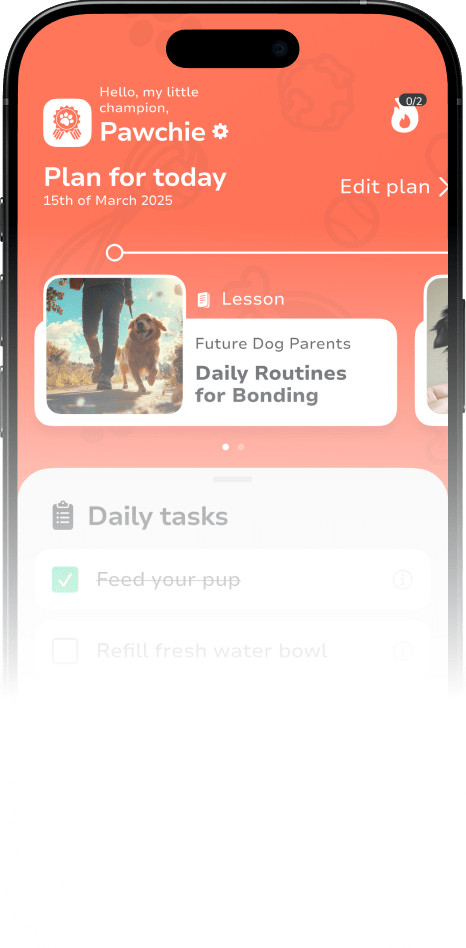
PawChamp is built to help you read and respond to your dog's behavior in real time — including subtle stress signals that are easy to miss.
Behavior guides that explain calming signals, anxiety, and how to respond with positive reinforcement.
Progress tracking so you can see how your dog's stress responses change with consistent training.
Ask a Dog Expert chat for those moments when you're not sure if what you're seeing is normal.
Structured training exercises that reduce anxiety by building confidence and clear communication.
Take a quick quiz and get a training plan built around your dog's needs. Start with PawChamp today.
Bottom Line
Why do dogs yawn? Many reasons, most of them communicative. Dog yawning can signal tiredness, stress, discomfort, or a deliberate calming message. Learning to read yawns in context will deepen your understanding of your dog.