You said “come.” Your dog looked right at you… and kept sniffing. If you keep asking, “why won’t my dog listen to me?”, take a breath — it’s one of the most common frustrations in dog ownership, and it’s rarely about stubbornness. When a dog ignores commands, it’s usually a gap in communication, not a battle of wills. Here’s how to close it.

Key Takeaways

  1. A dog that ignores commands is usually confused, distracted, or under-motivated — not defiant.

  2. “Stubborn” is often just “hasn’t been taught in a way that sticks.”

  3. Distractions are a skill problem: listening at home isn’t the same as listening on a busy street.

  4. Consistency and clear rewards beat repeating yourself louder.

  5. Most dogs build reliable focus with short, daily practice — no trainer required.

Do Dogs Ignore You on Purpose? What’s Really Going On

Let’s clear up the big myth first. Do dogs ignore you on purpose? Almost never — dogs don’t hold grudges or plot defiance the way we imagine.

When it feels like your “dog won’t focus on me,” the usual culprits are distraction, confusion about the cue, or a reward that isn’t worth their while. Once you see listening as a skill to build rather than obedience to enforce, the whole thing gets easier.

Why Won’t My Dog Listen to Me? The Usual Culprits

So, why won’t my dog listen to me when you know they’ve “got it”? Usually one of a few things is in play — and none of them need a heavier hand.

In fact, learning how to train a stubborn dog starts with dropping the word “stubborn” and asking what’s getting in the way.

When Your Dog Won’t Listen Outside or on Walks

The backyard is easy; the sidewalk is a circus. If your dog won’t listen outside, it’s because the world is suddenly full of competing smells, sounds, and squirrels.

To get dog attention on walks, practice focus games in low-distraction spots first, then build up gradually — and bring rewards good enough to beat the environment.

Reading the Signals Instead of Repeating Yourself

Saying “sit” five times teaches your dog that “sit” means the fifth time. When a dog ignores commands, resist the repeat: ask once, help them succeed, and reward the win so the cue stays crisp.

How to Train a Dog to Listen at Home?

Reliable listening is built on the living-room floor before it ever holds up outside. The basics of how to train a dog to listen are simple — short sessions, clear cues, and rewards your dog actually cares about.

Done daily, dog obedience training at home turns scattered attention into a habit of checking in with you.

Basic Dog Commands List: Stay and Leave It

Start with the building blocks every dog benefits from. A useful basic dog commands list includes sit, down, come, stay, and “leave it.”

When practicing how to train dog to stay, build duration and distance slowly — a one-second stay rewarded beats a ten-second stay broken. And teaching dog “leave it” early gives you a safety cue that can genuinely save the day.

How to Be a Calm, Assertive Owner

Your energy sets the tone. Learning how to be a calm assertive owner doesn’t mean being harsh; it means being steady, clear, and unflustered, so your dog trusts your cues.

Curious about training a dog without treats? You can absolutely fade food over time and lean on praise, play, and life rewards — treats are a starting tool, not a forever crutch.

How Long to Train a Dog to Obey: Free Options

Patience question, honest answer. There’s no single number for how long to train a dog to obey, but most dogs show real progress in a few weeks of short, daily practice.

And yes, plenty of free dog obedience training exists online — the catch is that generic clips can’t see your dog, so progress is hit or miss without a plan that fits.

Listening isn’t something you demand — it’s something you build. A few quick questions turn it into a daily plan that fits your dog.

The 1-minute quiz reads your dog’s age, breed, and what trips them up, then PawChamp turns it into small daily steps that build real focus — no trainer required.

How PawChamp Helps?

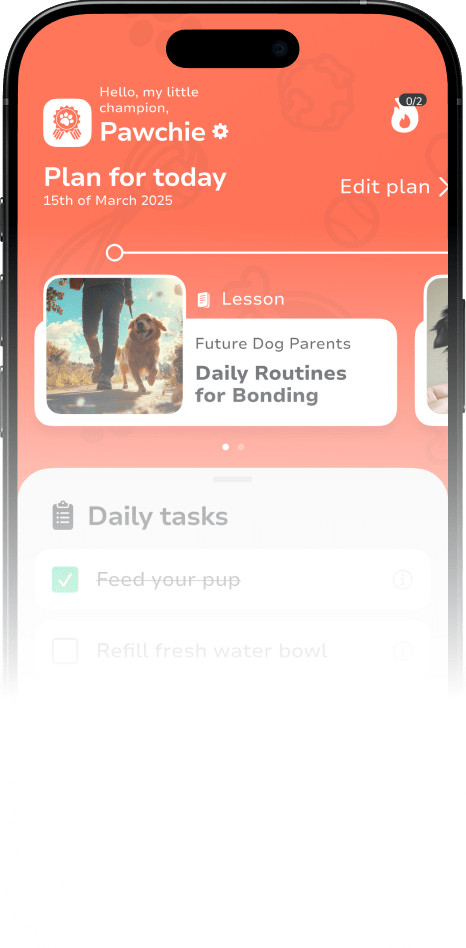
PawChamp turns “my dog won’t listen” into a clear, daily plan. A short quiz asks about your dog’s age, breed, and what trips them up, then builds a personalized routine: step-by-step focus and command exercises, progress tracking to keep you consistent, and an Ask a Dog Expert chat for the moments a cue isn’t landing.

It’s all reward-based, so your dog learns to listen because checking in with you pays off — not because they’re forced to.

Want the whole plan in your pocket? It’s one tap away.

Bottom Line

Your dog isn’t ignoring you to be difficult — they’re waiting for the cue to make sense and the reward to be worth it. Build focus as a skill, stay consistent, and practice a little every day. Get those right and “come” starts to mean come, the first time. Start with one short, upbeat session today.