Dog aggression during grooming rarely comes without cause. In most cases, there's a reason behind it, like fear, lack of exposure, pain, or a previous bad experience. Working with dogs every day, I've learned that successful dog grooming is often less about the haircut itself and more about trust, patience, and understanding what the dog is trying to communicate.
Key Takeaways
Dog aggression at the groomer is often rooted in fear or previous negative experiences
Learning to recognize stress signals early can prevent escalation
Grooming should be introduced positively and consistently from a young age
Not every aggressive dog groom can safely be completed in one session
Trust and routine can completely change a dog’s attitude towards grooming over time
Why Do Some Dogs Show Aggression at the Groomer?
A lot of owners ask, "Why is my dog aggressive at the groomer but they're fine at home?" Honestly, grooming puts dogs into situations that can feel very unnatural to them. Loud dryers, vibrations from clippers, restraint, unfamiliar handling; it can be overwhelming, especially for dogs who were never properly introduced to the process.
Many dog behavior issues start long before the grooming appointment itself. Dogs that have total freedom at home, limited socialization, or inconsistent boundaries often struggle more in structured grooming environments.
Unfortunately, some dogs come from previous bad experiences. One thing owners don't always realize is that not every groomer is professionally trained. In the U.S., there are very few licensing requirements in the grooming industry. Sadly, almost anyone can buy grooming tools and advertise themselves as a groomer. That becomes dangerous when someone who doesn't know anything about dog behavior attempts to groom a nervous or aggressive dog.
📝 Note:
Most dogs give warnings long before they escalate to biting.
The Real Case: What Happened From the First Minute
A few years ago, while I was grooming at a vet's office, a client called about her Shih Tzu named Cookie. Cookie had just been groomed and came home with multiple injuries including scrapes, clipper irritation, and brush burns across her body.
The owner later learned that the previous groomer's husband had physically pinned Cookie down on the table because she was "being bad." Hearing that made my stomach drop. The groomer should've halted the session, called her owner and sent her home unfinished.
Cookie was around three years old when I first met her. By the time I met her, grooming equated to negativity, restraint, and pain.
Her behavior was out of control when she first came in. She would alligator roll on the table, bite at the brush and clippers, kick herself upright onto her hind legs, and nearly throw herself backward off the table trying to escape. To be honest, though, she had every reason to feel terrified.
Reading the Dog's Stress Signals Before It Escalated
One of the biggest parts of working with difficult dogs is understanding dog behavior, especially stress signals before things escalate. Cookie showed classic signs almost immediately:
Whale eye.
Tightly closed mouth.
Stiff posture.
Growling.
Avoidance behaviors.
Knowing how to read dog body language matters more than people realize. Dogs usually communicate discomfort long before they bite. The problem is that many people either miss the signals or continue pushing the dog past their threshold, which leads to unnecessary situations.
📝 Note:
Once a dog feels trapped, panic can turn into aggression very quickly.
What the Grooming Table Revealed About This Dog
Cookie's behavior on the grooming table honestly told me everything I needed to know about her emotional state.
Certain tools triggered her immediately, specifically clippers near her legs. She also hated brushing because the previous groomer had over-brushed sensitive areas badly enough to leave irritation and brush burns on her skin.
Something I see often in reactive dog grooming cases is that the dog isn't necessarily "bad," but anticipating discomfort before it even happens.
👉 Example:
Cookie wasn't trying to be aggressive to hurt me. She was scared of me hurting her.
There's a huge difference between those things, and understanding that is key.
How to Deal With an Aggressive Dog During Grooming?
I often have people asking me how I handle aggressive dogs, and I explain that it's not always the dog just being aggressive; it's fear-based. So helping them conquer those fears with positivity is the goal. It's rarely about "showing the dog who's boss." Most of the time, forcing the situation only makes the behavior worse long term.
📝 My case:
With Cookie, the initial goal wasn't to complete an entire groom, it was rebuilding trust so that future appointments weren't so traumatic. I sat down with her owner and explained that we needed to completely reintroduce her to grooming. We also worked with the veterinarian to start Cookie on Trazodone temporarily to help reduce some of her anxiety during appointments.
The goal was never to rely on just sedation; it was to take the edge off enough for her to learn that grooming didn't automatically equal fear and pain and eventually not require any sedation.
Positive reinforcement played a huge role in her progress. Rewarding every small success like:
Standing relaxed for a few seconds.
Allowing me to touch her without thrashing.
Briefly tolerating the vibration of the clippers.
Accepting handling of her legs.
Sometimes people underestimate how important those tiny wins are.
There were days we accomplished almost nothing. Even through some setbacks, those sessions helped because they showed Cookie she wasn't going to be forced through the process anymore. I didn't give in to her protesting behaviors, but I did know when enough was enough and that some things just weren't happening for her sake.
If you're staring at the same behavior at home and can't tell whether it's fear, pain, or a bad memory talking, you don't have to guess. You can describe exactly what your dog is doing to a certified PawChamp expert and get a real answer.
What Actually Helped: Tools and Approach
One thing I’ve learned with reactive dogs is that consistency and routine matters more than perfection.
Cookie started coming in every other week for short sessions to help recondition her. During those visits, we slowly reintroduced:
clippers
brushes
scissors
dryers
table manners
I noticed a shift in her when she began anticipating the routine instead of panicking through it.
She stopped thrashing constantly. She would offer me her paws voluntarily. She started turning when I needed her to reposition and she even began giving kisses during appointments.
That kind of progress is incredibly rewarding because you’re building trust and changing their outlook on future experiences.
There are different tools that can help improve safety during dog grooming:
muzzles
Groomer’s Helpers
belly bands
cones
Using tools should never replace understanding dog behavior; they should only help enhance the safety aspect. Muzzles can help during nail trims or specific high risk moments, but if a dog requires restraint for an entire groom, there is something deeper that usually needs to be addressed.
♨️ Hot take:
Sometimes the safest and kindest thing you can do is stop the groom. Unfortunately, not every owner or groomer understands that.
Dog Grooming for the First Time: How to Prevent Aggression Early
A lot of grooming anxiety can be prevented with early exposure and realistic expectations.
People often wait too long to introduce grooming, especially with long haired breeds who require regular grooming. This leads to having an adult dog who hates handling, clippers, and arrives severely matted for their first real groom because they have zero experience with any of it. That's incredibly overwhelming for the dog.
Puppies should begin positive grooming exposure when they are young; usually around 10 to 12 weeks. We recommend coming in as long as they are up to date on all of the shots their vet recommends for their age. Some responsible poodle breeders even begin desensitization around three or four weeks old, especially around the face and feet.
That early exposure makes a huge difference later.
How to Desensitize a Dog to Groom Step by Step?
Dog grooming training should happen gradually with lots of treats and positive reinforcement.
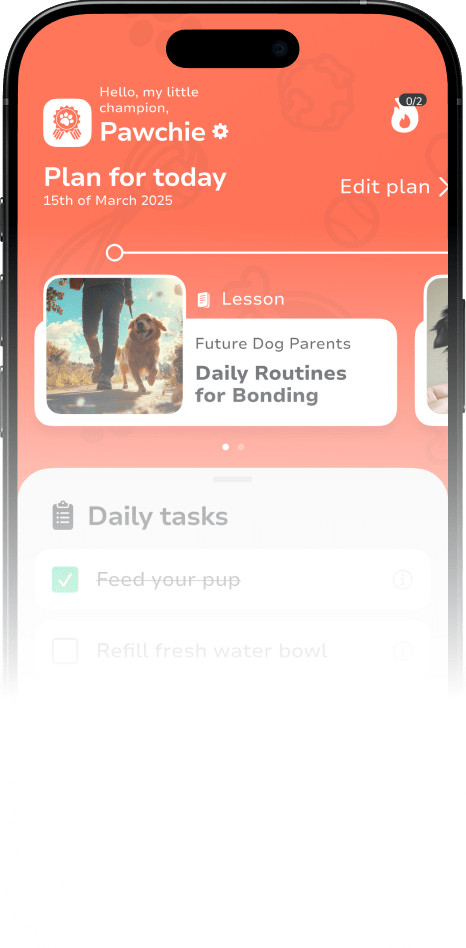
The tricky part is doing this consistently, in the right order, without rushing your dog. That's exactly what PawChamp lays out for you — small daily steps, built around your dog.
A few things I recommend owners work on at home:
touching paws daily (but don’t make a game of it)
handling ears gently
introducing brushing (using the correct brush for their coat)
rewarding calm behavior
exposing dogs to sounds and vibrations like clippers (can also use a vibrating toothbrush) or dryers
💡 Tip:
Positive reinforcement dog training works best when dogs feel safe and confident enough to learn.
Owners matter just as much as groomers in this process. Dogs who are allowed to act wildly at home without structure often struggle more in salon environments where cooperation is necessary for safety. That doesn't make them bad dogs. It just means they haven't learned how to navigate those situations yet.
When Matting Makes Dog Aggression Worse
Grooming a matted dog is one of the hardest situations to handle because many owners don’t realize how painful severe matting can become. It usually means the dog has to be shaved down, and doing that safely can be difficult even if there are no behavior issues.
When coats are heavily matted:
skin is constantly getting pulled, leading to bruising and irritation
moisture can become trapped, leading to skin infections
daily movement can become uncomfortable
Typically, those matted dogs are often the most reactive because every brush stroke or clipper pass feels uncomfortable. Owners who wait too long between appointments lead to severe matting happening, so then grooming becomes associated with discomfort instead of routine maintenance.
This is why we always offer our owners to schedule their next appointment at pick up. Keeping on schedule is most beneficial for the dogs when it comes to their health and behavior.
How PawChamp Helps With Grooming Anxiety
Training and behavior work shouldn’t stop once the grooming appointment ends. Dogs make the most progress when owners continue reinforcing calm and positive behaviors at home.
Dogs make the most progress when owners keep reinforcing calm, positive behaviors at home — and PawChamp makes that easy.
Structured, step-by-step exercises for working through grooming anxiety at your dog's own pace.
Progress tracking so you can watch desensitization wins add up over time.
The Ask a Dog Expert chat for the moments you're unsure how to respond to a specific behavior.
Consistent, professional guidance for dogs struggling with fear or reactivity related to grooming.
For a dog who dreads the grooming table, having expert support between appointments can make a huge difference.
Bottom Line
Le fait qu’un chien se montre agressif chez le toiletteur ne signifie pas pour autant qu’il soit « méchant ». Le plus souvent, c’est la peur, la confusion, la douleur ou des expériences négatives passées qui refont surface dans un environnement déjà stressant. Certains chiens s'améliorent après une ou deux séances, d'autres peuvent mettre des mois, et certains auront peut-être toujours besoin d'un accompagnement supplémentaire. La principale leçon que j'ai tirée, c'est que la confiance et la sécurité sont primordiales. Lorsque les chiens se sentent en sécurité, ils peuvent aborder le processus et l'environnement du toilettage en toute confiance.