Portare a casa un bambino è un evento importante, sia per te che per il tuo cane. Un nuovo membro della famiglia significa nuovi suoni, odori e routine, che possono essere emozionanti o stressanti per il tuo cucciolo.
Con l'approccio giusto, puoi rendere la transizione fluida e senza stress.
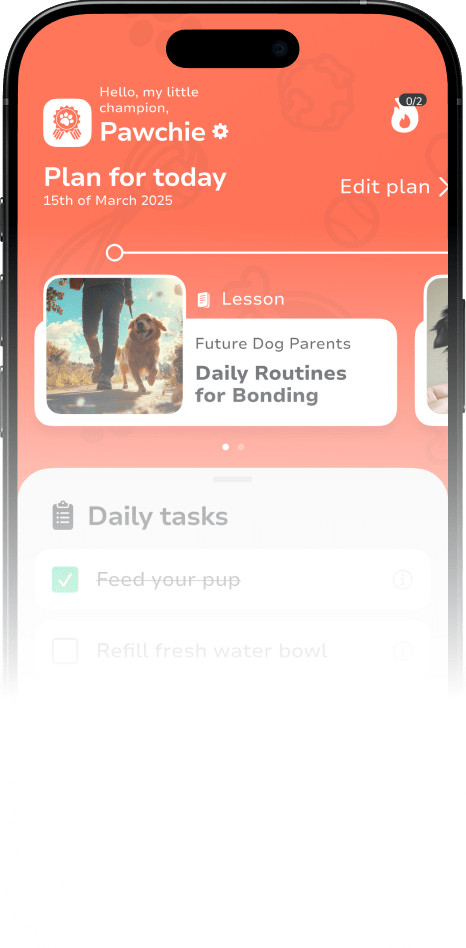
Portare a casa un bambino è fondamentalmente un reset completo della routine, e i cani lo percepiscono rapidamente. Se desideri un piano semplice che puoi seguire giorno per giorno (più un posto dove fare domande quando qualcosa non sembra giusto), PawChamp ti aiuta a costruire routine calme e ottenere guida esperta per momenti difficili come sovrastimolazione, addestramento ai confini o segni di stress precoci.
Concetti chiave:
Inizia a prepararti in anticipo: modifica le routine, aggiungi suoni di bambini e introduci oggetti per bambini
Mantieni il primo incontro lento: saluta prima il tuo cane, usa un guinzaglio, inizia con l'odore, premia la calma
Supervisiona ogni interazione e stabilisci confini chiari attorno alle aree del bambino
Fornisci al tuo cane uno spazio di ritiro tranquillo per le pause
Mantieni le passeggiate e il gioco costanti per ridurre lo stress
Osserva i segni di stress (ringhiare, nascondersi, camminare avanti e indietro) e rallenta se compaiono
Portare a casa un bambino è fondamentalmente un reset completo della routine, e i cani lo percepiscono rapidamente. Se desideri un piano semplice che puoi seguire giorno per giorno (più un posto dove fare domande quando qualcosa non sembra giusto), PawChamp ti aiuta a costruire obbedienza e ottenere guida esperta per momenti difficili come sovrastimolazione, addestramento ai confini o segni di stress precoci.
Prepara il tuo cane: cane con bambino a casa
I cani prosperano nella routine, quindi i cambiamenti improvvisi possono scombussolarli. Il trucco è iniziare ad apportare modifiche prima che il bambino arrivi a casa. Se le passeggiate o gli orari dei pasti cambieranno, inizia a modificarli in anticipo per aiutare il tuo cane ad adattarsi.
Allo stesso tempo, introduci suoni di bambini riproducendo registrazioni di pianti e gorgheggi a basso volume. Aumenta gradualmente il volume per desensibilizzare il tuo cane a questi nuovi rumori.
Lasciare che il tuo cane annusi ed esplori oggetti per bambini come passeggini, culle e giocattoli prima dell'arrivo del bambino previene curiosità eccessiva o ansia in seguito. Poiché l'addestramento è fondamentale per mantenere il controllo, rinforza comandi di base come “seduto”, “fermo” e “lascia” per stabilire confini chiari per il futuro.
Primo incontro: cani e bambini, inizia con calma
Il primo incontro stabilisce il tono, quindi mantenerlo lento e positivo è fondamentale. Quando porti a casa il bambino, saluta prima il tuo cane in modo che possa liberare qualsiasi eccitazione prima di essere presentato al nuovo membro della famiglia.
Per mantenere il controllo, tieni il tuo cane al guinzaglio e permetti che osservi da una distanza sicura. Prima dell'interazione diretta, lascia che si abitui all'odore del bambino annusando una coperta o un indumento.
Quando sembrano rilassati, possono avvicinarsi gradualmente al loro ritmo. Se rimangono calmi, lodali e offri un premio per costruire un'associazione positiva con il bambino. Usa il rinforzo positivo e i premi per l'addestramento per premiare il comportamento calmo attorno al tuo bambino.
Tuttavia, se sembrano ansiosi, lasciali osservare da una distanza finché non si sentono più a loro agio piuttosto che forzare l'interazione. Questo metodo è particolarmente utile per le famiglie con un cane che va d'accordo con i bambini ma potrebbe reagire a nuove routine.
💡 Consiglio:
Lascia che il tuo cane si ritiri nel suo posto sicuro dopo il primo incontro. Questo li aiuta a costruire fiducia, specialmente in una casa con bambini e cani insieme.
Crea una casa sicura per cani e bambini
Una volta che l'introduzione è fatta, la coerenza aiuta a mantenere la pace. Non lasciare mai il tuo cane e il bambino non supervisionati, anche se il tuo cane è sempre stato gentile.
Fornisci al tuo cane un rifugio tranquillo
È anche importante fornire al tuo cane uno spazio designato per ritirarsi quando ha bisogno di una pausa. Un kennel, un letto accogliente o una stanza tranquilla possono dargli un senso di sicurezza quando la casa diventa frenetica.
Mantieni l'Attività Fisica
L'esercizio regolare rimane essenziale, anche con un neonato in casa. Passeggiate quotidiane, momenti di gioco e giocattoli interattivi aiutano a prevenire l'ansia e l'irrequietezza, mantenendo il tuo cane felice e ben equilibrato. In molti casi, rimanere attivi può ridurre la necessità di farmaci per l'ansia nei cani, supportando il sollievo naturale dallo stress.
Insegna i Confini per il Cane con il Bambino
Infine, stabilire confini chiari attorno alla culla e alle aree di gioco del bambino aiuta a garantire che il tuo cane rispetti questi spazi e interagisca in sicurezza.
Segni che il tuo cane si sta adattando: amore canino in azione
Un cane ben adattato rimarrà calmo attorno al bambino e mostrerà curiosità gentile. Continuerà a seguire comandi di base e non mostrerà comportamenti ansiosi come abbaiare eccessivo, camminare avanti e indietro o masticare in modo distruttivo.
Se noti segnali di stress come ringhiare, nascondersi o nervosismo aumentato, potrebbe essere necessario un ulteriore addestramento e guida per aiutare il cane a sentirsi più sicuro.
Come PawChamp Può Aiutare
I programmi di addestramento guidati da esperti di PawChamp aiutano i cani ad adattarsi a cambiamenti significativi nella vita utilizzando il rinforzo positivo e piani personalizzati. Con PawChamp, ottieni:
Guida passo-passo per presentare il tuo cane a un bambino.
Consigli comportamentali esperti per gestire ansia e transizioni.
Tecniche di addestramento comprovate per incoraggiare interazioni calme.
Il tuo cane e il bambino possono formare un bellissimo legame con pazienza e il giusto addestramento. Una casa pacifica e felice è possibile—con un po' di guida e tanto amore!
Conclusione
Portare a casa un bambino cambia tutto—anche per il tuo cane. Prepararli in anticipo, stabilire confini e mantenere le routine costanti aiuta a facilitare la transizione. Con tempo, pazienza e il giusto addestramento, il tuo cane può adattarsi e sentirsi sicuro. PawChamp ti offre il supporto per garantire che tutti—compreso il bambino—si sistemino senza problemi.