How to make your dog happy isn't a complicated formula; it's about meeting their genuine needs with consistency and care. Whether you're wondering if you're doing enough or your happy dog seems a little off lately, understanding signs of a happy dog will change how you approach every day with them.
Key Takeaways
How to make your dog happy — address physical, mental, and emotional needs together.
Understanding signs of a happy dog helps you gauge whether your current routine is working.
Mental stimulation is just as exhausting (in a good way) as physical exercise — often more so.
Happy dog behaviors include loose body language, play bowing, and relaxed facial muscles.
Recognizing when a dog isn't happy — including depression signals — matters as much as the good stuff.
Signs of a Happy Dog Every Owner Should Know
Signs of a happy dog are written all over their body. A happy dog moves loosely, without tension. How to tell if your dog is happy starts with: a relaxed open mouth, ears held neutral or forward, weight distributed evenly, and tail movement that's broad and free rather than rigid.
One of the most reliable indicators of happiness is the play bow — front legs stretched forward, rear in the air. A dog who regularly plays bows is a dog who feels safe, comfortable, and ready for fun.
🌟 Fun fact
Research from the University of Bari found that dogs wag their tails more to the right when they see their owner — a sign of positive emotion. Left-biased wagging indicates more negative states.
Reading Dog Body Language and Tail Meaning
Dog body language is nuanced. How to read dog body language takes practice: a tail at mid-height wagging loosely signals contentment. A tucked tail signals fear. A tail held stiffly upright with small, fast wags can signal alertness or tension — not happiness.
Dog tail meaning isn't just about wagging — it's about the whole picture. A relaxed tail on a loose, soft body is a happy dog. Read the full body, not just the tail.
A sniff walk on a long leash — where your dog sets the pace and follows their nose — is often more satisfying than a brisk jog for many dogs. Let them sniff!
Most owners can spot an unhappy dog — but reading the signs of a genuinely happy one takes a bit more practice. PawChamp helps you understand what your dog is actually communicating and build a routine that keeps them that way.
8 Ways to Make Your Dog Happy Every Day
How to make your dog happy consistently comes down to meeting their core needs:
Daily exercise: Matched to breed and age — a border collie and a bulldog have very different needs.
Mental stimulation: Puzzle feeders, training sessions, and sniff walks. Is my dog happy? If they're mentally engaged, almost certainly yes.
Positive training: Ten minutes of reward-based training daily builds confidence, focus, and the bond between you.
Consistent routine: Dogs thrive on predictability. Knowing when walks and meals happen reduces anxiety.
Social connection: Quality time with you — actual interaction, not just being in the same room — matters enormously.
Safe spaces: Every dog needs a place that's just theirs: a crate, a bed, a corner to retreat to without being disturbed.
Appropriate play: Play that matches their style — some want to chase, some tug, some sniff.
Physical health: Regular vet care, dental health, and a balanced diet are the foundation everything else is built on.
Sleep, Routine, and Why Rest Keeps Dogs Happy
How much does a dog sleep a day? Adult dogs sleep an average of 12–14 hours; puppies and seniors sleep even more, up to 18–20 hours. Adequate sleep is foundational to emotional regulation and learning.
Small dog breeds often sleep more than people expect for their size. Routine matters too — dogs who have predictable schedules tend to be calmer and more confident.
💭 Think about
Has something changed recently — a move, a new baby, the loss of another pet? Dogs grieve and adjust to change. Give them extra routine and gentleness during transitions.
When a Dog Isn't Happy: Recognizing Depression in Dogs
Depression in dogs is real and more common than many owners realize. Signs include: loss of interest in activities they previously enjoyed, reduced appetite, increased sleeping, and withdrawal from social interaction.
Happy dog signs by contrast include: seeking interaction, initiating play, greeting you enthusiastically, and maintaining normal appetite and sleep. A dog who has recently lost a companion or moved homes is at particular risk.
If your dog shows persistent behavioral changes, a vet visit is the right first step to rule out medical causes — pain and illness often present as behavioral changes before anything else.
How PawChamp Helps?
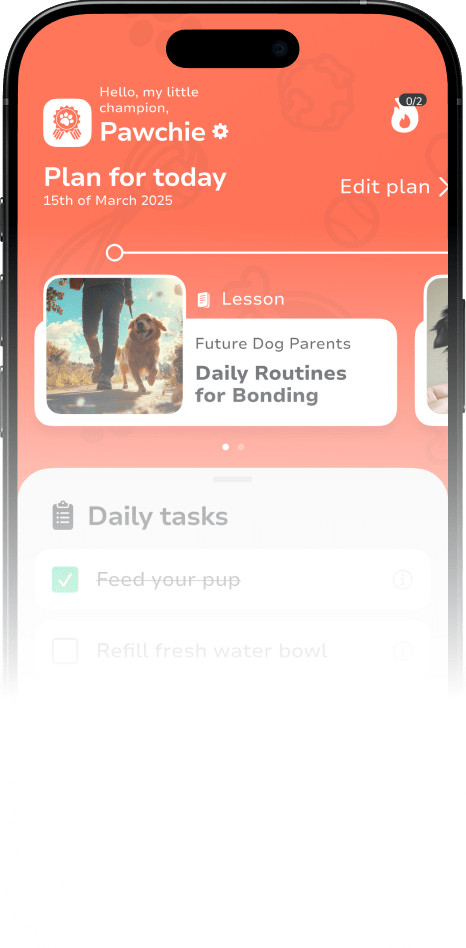
PawChamp was built for dog owners who want to do right by their dogs — with structured guidance that addresses behavior, training, and wellbeing together.
Step-by-step exercises that give your dog daily mental engagement and build skills for a happy life.
Progress tracking so you can see how your dog's confidence and behavior improve over time.
Ask a Dog Expert for questions about behavior changes, mood, and whether what you're seeing is normal.
Training plans designed around positive reinforcement — because force-free training is happier training for everyone.
A happier dog starts with a more informed owner. Let PawChamp guide you both.
Bottom Line
How to make your dog happy is a practice, not a project. It's daily walks, consistent training, quality time, safe spaces, and paying attention to what your dog is actually telling you. Learn to read signs of a happy dog and notice when something shifts — and you'll be the owner your dog deserves.