Dog aggression can be a serious issue, but it’s rarely about “bad behavior,” even when people assume it’s related to the most aggressive dog breeds. More often than not, aggressive behavior is a sign of fear, anxiety, or frustration. The safest way to stop dog aggression is not punishment, but a clear plan that reduces triggers, improves control, and teaches calmer responses over time.
If you want a clear plan you can follow step by step, PawChamp’s Aggression Course helps you work through triggers and calmer responses without guessing in the moment. The safest way to reduce dog aggression long-term is not harsh corrections, but a structured approach that lowers triggers, improves control, and teaches safer behaviors over time.
Key takeaways:
Most dog aggression is a stress response (fear, frustration, guarding, or pain), not a dog being “bad”
If aggression starts suddenly or happens when you touch your dog, schedule a vet check to rule out pain
Dogs usually warn before they escalate: stiff body, hard staring, lip curl, sudden freezing
The goal is to make triggers feel safe again, using gradual exposure and positive rewards
Until training sticks, prevent blow-ups: give more space, avoid forced greetings, and use safety tools like a basket muzzle or front-clip harness when needed
Why Do Dogs Become Aggressive: Common Causes and Triggers
Aggression doesn’t just appear out of nowhere; there’s always a reason behind it. Sometimes, it’s fear. Other times, it’s frustration. And in many cases, dogs simply haven’t learned how to react appropriately to certain situations.
Before jumping to conclusions, it’s important to look at what might be setting your dog off.
Fear-based aggression: A dog that feels trapped or unsafe may lash out as a way to protect itself. Think of it like when you accidentally wake up a grumpy person too early—it’s pure survival mode.
Territorial aggression: Some dogs feel the need to guard their home, their yard, or even their favorite person. If they think their space is being invaded, they may try to “defend” it. Ever seen someone get irrationally possessive over their seat on the couch? Same energy.
Resource guarding aggression: Dog food aggression, toys, even a comfy sleeping spot—some dogs feel the need to protect what’s theirs, sometimes aggressively. Imagine someone reaching for your last slice of pizza, and you’ll get the idea.
Frustration-based aggression and overstimulation: If a dog is excited but can’t act on it—like when they’re on a leash and want to chase something—they may redirect their frustration into aggression. It’s like watching a kid lose their mind when their video game lags at the worst moment.
Pain, illness, and medical causes: A normally friendly dog that suddenly becomes snappy may be in pain. Before assuming it’s a behavioral problem, a vet check is always a good idea.
Learned aggression and lack of social skills: In many cases, dogs act aggressively because they never learned better coping skills. Some dogs missed early socialization. Others had repeated scary experiences, harsh punishment, or uncontrolled greetings that taught them the world is unpredictable.
Most aggression improves faster once you pinpoint the pattern: the trigger, the distance, the context, and what your dog is trying to achieve (space, control, safety). PawChamp helps you sort that out and focuses your training on the specific type of aggression you’re actually dealing with.
Aggressive Dog Training: Counter-conditioning and Desensitization
Dogs don’t see aggression as a “bad” behavior—they see it as a response to something uncomfortable or threatening. Growling, barking, lunging, or snapping usually creates space, ends an interaction, or makes something scary go away. To reduce dog aggression long-term, the goal is not to “shut it down,” but to change how your dog feels about the trigger and teach a safer response.
Two reward-based methods are at the core of effective aggressive dog training: desensitization and counterconditioning.
Desensitization Training for Dog Aggression: Controlled Exposure at a Safe Distance
Desensitization means exposing your dog to a trigger at a level they can handle without reacting. That usually starts farther away, for a shorter time, or at a lower intensity. You are not testing your dog’s limits. You are staying under the point where they start to panic, explode, or shut down.
🔍 Example:
If your dog shows aggression toward other dogs, and you’re looking for how to stop dog aggression towards other dogs, you might start by watching another dog from across the street, then reward calm behavior and leave before your dog gets overwhelmed.
Counterconditioning for Dog Aggression: Change the Emotional Response to Triggers
Counterconditioning means pairing the trigger with something your dog loves, so the trigger starts predicting good things instead of stress. Over time, the dog’s emotional response shifts. That shift is what makes behavior change stick.
🔍 Example:
If your dog growls at strangers, you might pair “stranger appears at a distance” with high-value treats, then increase exposure gradually as your dog relaxes.
Retraining aggression is not instant, and it is rarely linear. Early progress might look small:
Your dog notices the trigger and recovers faster
Your dog can stay calm at a greater distance than before
Your dog chooses to look at you instead of escalating
Given enough repetition, consistency, and careful exposure, many dogs go from reacting quickly to staying neutral or calm in the same situation, because the trigger no longer feels dangerous.
The next step is learning to recognize the early body language signals that indicate your dog is nearing their limit, so you can intervene before an aggressive reaction occurs.
Warning Signs of Dog Aggression: Body Language to Watch Before It Escalates
Dogs usually give plenty of signals before aggression escalates. Learning to read their cues is like understanding the plot of a thriller before things take a turn for the worse.
Stiff body posture – A tense, frozen stance is often the first sign of discomfort.
Hard staring – If your dog locks eyes on something in an intense, unblinking way, they’re feeling threatened. Think The Terminator scanning for a target.
Pinned-back ears or lip curling – These are classic indicators that your dog is uncomfortable.
Sudden stillness – If your normally wiggly pup suddenly stops moving and stiffens up, something’s making them uneasy.
When you notice these signals, the best move is usually to create space and lower intensity. Reading body language is a safety skill, not a “nice to have.” The PawChamp Aggression Course breaks down what to look for and how to respond in real time. Catching the moment early gives you room to redirect your dog, reward calm behavior, and keep everyone safe.
Helping Your Dog Feel More Secure
Dealing with aggression isn’t about forcing a dog to be submissive; it’s about helping them feel safe so they don’t feel the need to lash out in the first place. This means using training techniques that foster confidence rather than fear.
Gradual Exposure and Positive Associations
Think of a situation that triggers your dog’s aggression. Instead of throwing them into it full-force, introduce it gradually. If they react to other dogs, start by keeping a comfortable distance and rewarding calm behavior. Over time, as they become more relaxed, you can move a little closer. Picture it like socializing a shy person at a party—forcing them into a group won’t work, but slowly easing them in can.
Reducing Dog Aggression: What to Do First and What to Practice Daily
It’s easy to focus on stopping aggression, but what if we flipped the script? Instead of punishing bad behavior, make a point of rewarding your dog whenever they stay calm. If they see another dog and don’t react, even for a second, praise them. They’ll start realizing that calmness earns rewards.
Teach Redirection Skills
If your dog starts showing signs of tension, don’t wait until they explode.
Redirect their attention to something positive. A simple command like “watch me” or “sit” can break their focus on whatever’s upsetting them and shift them back into a more relaxed mindset. It’s like distracting a toddler before a meltdown—it works wonders.
Manage Their Environment
If you know your dog struggles in certain situations, don’t set them up for failure. If they guard their food, feed them in a quiet space where they won’t feel the need to defend it. If strangers make them uneasy, give them a safe retreat instead of forcing them to interact.
Aggression at home often shows up in very specific routines: food time, doorway moments, couch space, handling, or visitors. PawChamp Aggression Course goes deep on Aggression at Home and Cooperative Care, so you’re not just preventing problems, you’re changing how those everyday situations feel for your dog.
Using the Right Tools to Support Training
Muzzles – If you’re working with a dog that has a history of biting, a muzzle is a great way to ensure safety during training. Contrary to popular belief, muzzles aren’t cruel—they prevent accidents and allow you to work with your dog in controlled situations. Think of it like a seatbelt—it’s there just in case.
Calming Aids – Anxiety wraps (like ThunderShirts), pheromone diffusers, or natural supplements can help take the edge off for especially nervous dogs. They don’t “fix” aggression, but they create a more relaxed state, making training easier.
Leash and Harness Training – A front-clip harness can help you manage a strong dog that reacts aggressively on walks by giving you better control without straining their neck.
Interactive Toys and Mental Stimulation – Aggression often stems from frustration or excess energy. Puzzle toys, scent work games, and trick training redirect that energy into something positive. Imagine how much calmer you'd feel after solving a crossword puzzle compared to just sitting around feeling restless.
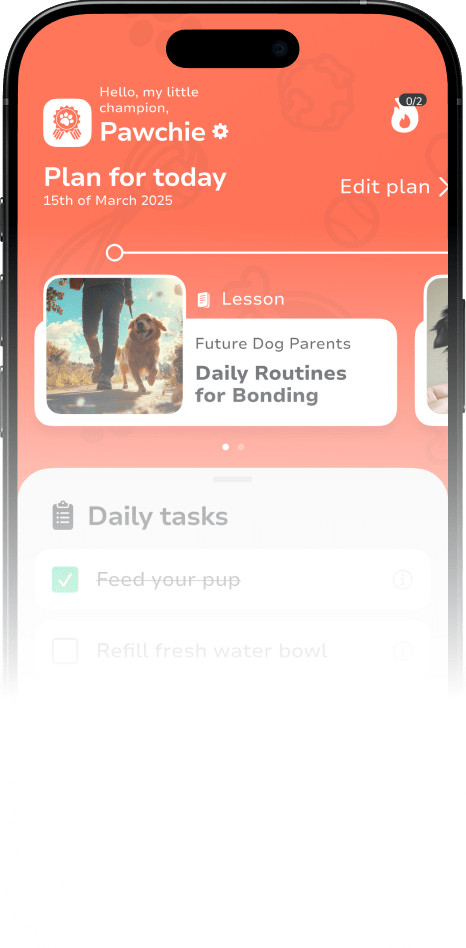
Aggressive Dog Training in PawChamp App
The goal isn’t to “win” against aggression. It’s to reduce the moments that push your dog over the edge and teach an alternative response. PawChamp’s expert-led Aggression Course shows you how to do that safely, without punishment.
With PawChamp app, you’ll get:
A clear diagnosis-style breakdown of what’s triggering the aggression, so you’re not trying random fixes
A safety-first personalized plan that shows you what to do before a reaction happens, in the moment, and after, without using punishment
Step-by-step training that builds calmer responses to triggers through counterconditioning and desensitization, at a pace your dog can handle
Extra support through Ask a Dog Expert when you want help interpreting what you’re seeing or choosing the safest next move
Dog Aggression Is Fixable With the Right Plan
Helping an aggressive dog isn’t about fixing them; it’s about giving them the tools to feel safe and stay calm. Aggression comes from fear, stress, or frustration, not from being a “bad dog.” With the right training, a bit of patience, and support from PawChamp, your dog can learn better ways to cope, and you can both feel more at ease.