Wanneer je je hart en huis opent voor een hond uit een puppyfabriek, kan het proces zowel vreugdevol als overweldigend aanvoelen. Het is belangrijk om te weten wat je kunt verwachten en hoe je omgaat met gedragsproblemen die uiteindelijk kunnen ontstaan.
Maar wat is een hond uit een puppyfabriek precies? Een hond uit een puppyfabriek, zoals de naam al zegt, komt uit een puppyfabriek, ook wel een “puppyboerderij” genoemd. Puppyboerderijen zijn commerciële locaties waar puppy’s massaal worden gefokt met weinig aandacht voor hun gezondheid en algemeen welzijn.
Belangrijkste punten:
Gedragsproblemen bij honden uit puppyfabrieken komen vaak voor en worden veroorzaakt door de manier waarop deze honden zijn opgegroeid.
Meer leren over wat je kunt verwachten kan nieuwe eigenaren van puppyfarmhonden helpen omgaan met problematisch gedrag.
Veelvoorkomende problemen die huisdiereigenaren zien, lossen zich op met geduld, tijd en positieve trainingsmethoden.
Vooruitgang bij het behandelen van gedragsproblemen bij puppyfabriekshonden verloopt zelden lineair, maar kleine successen zijn belangrijker dan snelheid.
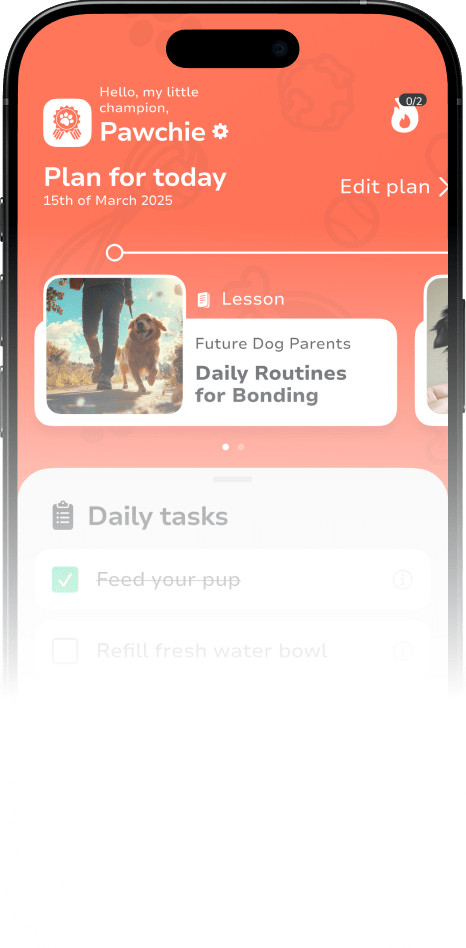
Als je voor een hond uit een puppyfabriek zorgt, is het vaak het moeilijkst om te weten waar je als eerste aan moet werken en hoe snel je moet gaan. De PawChamp-quiz kan je helpen een zachte start te kiezen op basis van het angstniveau van je hond, de thuissituatie en de grootste uitdagingen op dit moment.
Veelvoorkomende gedragsproblemen bij honden uit puppyfabrieken
Gedragsproblemen bij honden uit puppyfabrieken ontstaan vooral door het ernstige gebrek aan prikkels in de vroege levensfase, dat gepaard gaat met het opgroeien in commerciële fokfaciliteiten.
💡 Denk er eens over na:
Wanneer puppy’s hun cruciale ontwikkelingsperiodes doorbrengen in kooien met minimale menselijke interactie, weinig omgevingsverrijking of sociale leerervaringen, missen ze belangrijke mijlpalen die nodig zijn om copingvaardigheden en ervaringen voor het leven te ontwikkelen.
Sociale uitdagingen kunnen daardoor ontstaan, vooral wanneer ze worden geïntroduceerd in nieuwe omgevingen, in contact komen met andere honden of te maken krijgen met veranderingen in de routine. Als gevolg vertonen honden uit puppyfabrieken vaak angstgedrag zoals ijsberen, wegkruipen, verstoppen en trillen.
Andere veelvoorkomende problemen bij geredde puppyfarmhonden zijn ongepaste eliminatie, stress door scheiding en overmatig blaffen.
Puppyfabriekhonden hebben veel liefde en zorg nodig om op te bloeien
Foto door Pixabay
Begrijpen waarom honden bang zijn voor mensen
Omdat honden uit puppyfabrieken weinig menselijk contact hadden, zijn ze vaak van nature terughoudend om mensen te benaderen. Dit kan leiden tot angstreacties zoals bevriezen, vluchten, deemoedsplasjes en benaderings-/vermijdingsgedrag.
Nieuwe huisdiereigenaren willen daarom vaak meer leren over hoe ze een bange hond kunnen helpen herstellen. Hoe verleidelijk het ook is om het proces te versnellen door puppyfabriekshonden te benaderen en ze te overladen met liefde en aandacht via gedwongen interacties, al deze acties kunnen averechts werken.
Wat vooral helpt om de angsten van deze honden te verminderen, is hun behoefte aan emotionele afstand respecteren en ze controle geven over de interacties. Het trainen van bange honden draait om kleine stapjes zetten en positieve associaties creëren, in plaats van alleen blootstelling.
Socialisatieproblemen bij honden uit puppyfabrieken: beperkte blootstelling aan honden en omgevingen
Er is een kritieke socialisatieperiode in de vroege puppyfase, tussen 3 en 12 tot 14 weken oud. Ik vergelijk de hersenen van jonge puppy’s in deze fase graag met sponzen, klaar om informatie op te nemen die essentieel is voor hun leren en omgaan met hun omgeving.
Goede socialisatie kan niet plaatsvinden als puppy’s het grootste deel van de dag opgesloten zitten in draadkooien. Gebrek aan blootstelling aan dingen zoals gras, trappen, kinderen en mensen met hoeden of op fietsen kan angstreacties veroorzaken zodra de pup in een grote, luide en enge wereld komt.
💡 Tip:
Effectieve socialisatietraining voor volwassen honden ziet er heel anders uit dan puppycursussen. Bij het leren socialiseren van een hond is een belangrijke instelling “blootstelling zonder druk.” Kalm observeren van een afstand, gevolgd door langzame, vrijwillige blootstelling, werkt beter dan geforceerde interacties.
Zindelijkheidstraining voor honden
Omdat honden uit puppyfabrieken het grootste deel van de tijd in een kooi moesten leven, hadden ze geen andere keuze dan daar te plassen en te poepen, vlakbij waar ze aten en sliepen.
Dit doorbreekt het natuurlijke instinct van een hond, waardoor puppyfabriekshonden moeilijker te zindelijk te maken zijn zodra ze zich in hun nieuwe huis vestigen. Nieuwe eigenaren zoeken daarom vaak naar oplossingen voor zindelijkheidstraining bij honden.
Als zindelijkheidstraining voelt als twee stappen vooruit en één stap terug, kan PawChamp je helpen een eenvoudige routine aan te houden en terugvallen zonder straf op te lossen, vooral voor honden die vroeger moesten elimineren waar ze sliepen.
Het recept voor een zindelijk gemaakte hond is zorgen voor frequente buitenuitjes, het belonen van succesvolle eliminatie buiten en het vasthouden aan een schema.
Ik heb gemerkt dat het proces van hondentraining/zindelijkheidstraining sneller en soepeler verloopt wanneer ongelukken of terugvallen worden gezien als informatie in plaats van als falen.
Overmatig blaffen of ijsberen bij honden
Honden die overmatig blaffen of ijsberen, zijn vaak honden die lijden aan chronische stress. Honden uit puppyfabrieken die overmatig blaffen doen dit vaak omdat het ijsberen met blaffen zelfkalmerend werkt en ze vastzitten in een hyperalerte staat waarbij ze overal bedreigingen zien.
Herhalend gedrag vereist daarom nauwlettende observatie. Het is belangrijk om te achterhalen wat de stress of angst in eerste instantie veroorzaakt.
Training tegen overmatig blaffen vereist beheersing door blootstelling aan triggers te minimaliseren en vervolgens gedragsmodificatie en training toe te passen die de hond leert alternatieve gedragingen te vertonen die het blaffen uiteindelijk vervangen.
Ga op een bankje zitten en laat je hond de wereld bekijken, zonder begroetingen
Foto door Surprising_Media
Verlatingsangst bij honden uit puppyfabrieken
Honden uit puppyfabrieken hebben veel verwaarlozing en trauma meegemaakt. Zodra ze welkom zijn in een nieuw huis, kunnen ze hypergehecht raken aan hun nieuwe verzorgers voor veiligheid.
Dit kan leiden tot paniekgevoelens wanneer ze alleen worden gelaten, omdat ze bang zijn hun enige bron van veiligheid en troost te verliezen.
Hoewel er geen directe genezing voor verlatingsangst bij honden bestaat, is het goede nieuws dat het mogelijk is deze honden te helpen hun paniekgevoelens te overwinnen.
Verzorgers moeten daarom leren hoe ze verlatingsangst bij honden kunnen aanpakken om hen betere copingvaardigheden te laten ontwikkelen tijdens afwezigheid. Milde gevallen kunnen geholpen worden met eenvoudige richtlijnen uit boeken en online cursussen, terwijl ernstigere gevallen mogelijk medicatie en professionele ondersteuning vereisen.
Verspreid voeren kan helpen overmatig blaffen en ijsberen te verminderen door probleemoplossing
Foto door mattycoulton
Hoe help je honden uit puppyfabrieken wennen aan een nieuw huis?
Rehabilitatie van een hond uit een puppyfabriek bestaat vooral uit het helpen van deze honden zich veilig te voelen. Dit betekent vaak voorspelbare routines, beperkte druk en consistente positieve bekrachtiging terwijl de aanpassingen van de hond plaatsvinden en hun zenuwstelsel wordt hervormd.
Wat kun je verwachten tijdens de rehabilitatie van een hond uit een puppyfabriek? Tijdens het proces is het normaal dat de hond plateaus, terugvallen en plotselinge doorbraken doormaakt.
💡 Denk er eens over na
Het herstel van een overlevende uit een puppyfabriek kan soms voelen als “verf zien drogen,” maar zodra de eerste tekenen verschijnen dat de hond uit zijn schulp kruipt, kan het hartverwarmend en erg belonend zijn.
5 tekenen dat je hond uit een puppyfabriek vooruitgang boekt
Herstel van een hond uit een puppyfabriek kost tijd, maar naarmate de weken en maanden verstrijken, begin je tekenen van vooruitgang te zien. Het is daarom een goed idee om de rehabilitatie van een hond uit een puppyfabriek bij te houden.
Hier volgen enkele veelvoorkomende tekenen van een gerehabiliteerde hond die het waard zijn om te vieren:
Ontspannen lichaamshouding in vertrouwde ruimtes
Vrijwillige toenadering tot vertrouwde mensen
Verbeterde slaap en toegenomen eetlust
Nieuwsgierigheid die vermijdingsgedrag vervangt
Sneller herstel na blootstelling aan milde stressfactoren
Tekenen dat je hond je vertrouwt
Een van de belangrijkste doelen bij het rehabiliteren van honden uit puppyfabrieken is het opbouwen van een sterke vertrouwensbasis. Het vertrouwen van veel honden is in het begin beperkt, vooral na trauma en verwaarlozing.
Het goede nieuws is dat je hond helemaal tot bloei komt zodra je zijn vertrouwen hebt gewonnen.
Tekenen dat je een sterke band hebt opgebouwd zijn onder andere:
je hond die je van kamer naar kamer volgt;
comfortabel in je buurt rusten;
oogcontact initiëren.
Dit zijn geen kleine dingen. Het zijn diepgaande tekenen van verbetering en het resultaat van al je inspanningen die je nooit als vanzelfsprekend moet beschouwen. Soms zijn de tekenen subtiel en kan het moeilijk zijn te weten wat je hond echt voelt. PawChamp kan je helpen de signalen die je hond je geeft beter te begrijpen.
Hoe PawChamp honden uit puppyfabrieken kan helpen wennen en gedijen
Het rehabiliteren van een hond uit een puppyfabriek gaat zelden over één “oplossing.” Het gaat om het heropbouwen van veiligheid door routines, keuzevrijheid en kleine positieve ervaringen, zonder je hond te overladen of de vooruitgang te snel te forceren. PawChamp vervangt geen persoonlijke gedragsbegeleiding bij ernstige gevallen, maar het kan de dagelijkse training duidelijker en haalbaarder maken.
Dit krijg je:
Een persoonlijk startpunt via een korte quiz, zodat je weet wat je als eerste moet aanpakken
Stapsgewijze, krachtvrije trainingsinstructies voor veelvoorkomende problemen zoals angst voor mensen, overprikkeling en wennen aan huis
Ondersteuning bij zindelijkheidstraining en rustig omgaan, gebaseerd op geduld en kleine successen
Vraag een hondenexpert voor hulp bij het interpreteren van gedrag of het veilig aanpassen van het plan
Conclusie
Honden uit puppyfabrieken hebben vaak moeite omdat ze in hun vroege leven veiligheid, sociaal leren en normale ervaringen misten, niet omdat ze 'slechte honden' zijn. Verwacht angst, een langzaam sociaal leerproces en tegenslagen, vooral rondom mensen, nieuwe omgevingen, alleen zijn en zindelijkheidstraining. Ga in het tempo van je hond, bouw voorspelbare routines op en beloon kleine, rustige momenten totdat vertrouwen paniek begint te vervangen. Met geduld, consistentie en de juiste ondersteuning leren veel honden uit puppyfabrieken zich veilig te voelen en echt te floreren.
Hoe hebben we deze gids gemaakt?
Gebaseerd op gedragswetenschap, veelvoorkomende klantcases en PawChamp-expertadvies. Dit artikel is educatief en vervangt geen dierenarts of gekwalificeerde gedragsdeskundige in urgente gevallen.
Referenties
Stolzlechner L, Bonorand A, Riemer S. Optimalisatie van puppy-socialisatie - korte- en langetermijneffecten van een trainingsprogramma tijdens de vroege socialisatieperiode. Animals (Basel). 2022 nov
Mcmillan, Franklin. (2017). Gedrags- en psychologische uitkomsten voor honden verkocht als puppy’s via dierenwinkels en/of geboren in commerciële fokfaciliteiten: huidige kennis en vermoedelijke oorzaken. Journal of Veterinary Behavior: Clinical Applications and Research.