Watching your beloved dog grow older can be bittersweet. Although you treasure the years you've shared, you're starting to see the signs of aging: tight joints, slower walks, and even a little more hesitation when getting out of bed. You want to give them the best care possible, and at PawChamp, we share that same commitment. Our passion is making sure every senior dog’s golden years are filled with the comfort, health, and happiness they deserve.
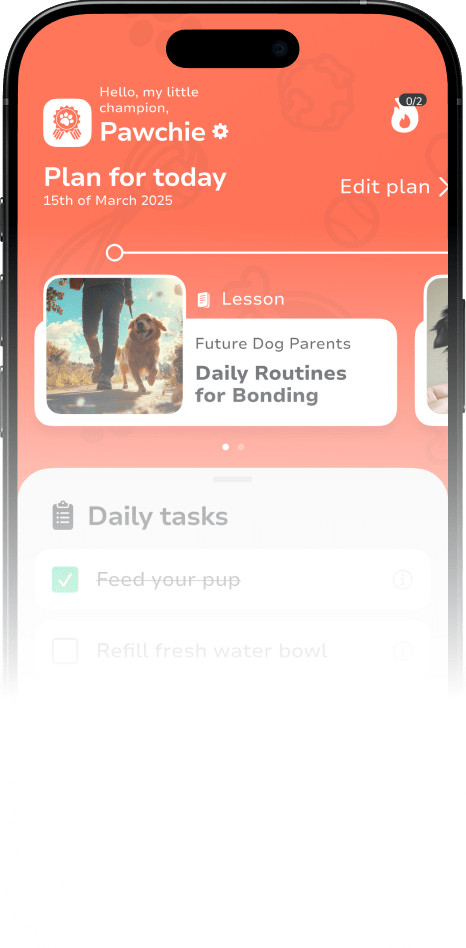
The PawChamp app can build a daily schedule tailored to you and your dog, with safe activity ideas, nutrition guidance, and expert support.
Key takeaways
Senior dogs do best with prevention and small daily routines that stay consistent.
Vet checkups at least twice a year help catch arthritis, dental issues, and other age-related changes early.
Weight control matters. Extra kilos add stress to painful joints and reduce mobility.
Low-impact exercise plus mental games keeps joints moving and the brain engaged.
Comfort upgrades make a big difference: an orthopedic bed, warmth, ramps, and non-slip rugs.
Senior dog food with joint support (like Omega-3s) can help mobility and overall comfort.
How to Take Care of a Dog in Their Senior Years?
Keeping a senior dog healthy is all about prevention, balance, and small daily choices that add up over time. These key steps help catch problems early, support aging joints, and keep your dog feeling comfortable and happy.
Checklist:
Keep up with regular vet checkups
Senior dogs should see the vet at least twice a year to catch issues like arthritis, dental problems, or vision loss before they become serious. Preventive care, bloodwork, and cleanings go a long way.Adjust diet and treats as your dog ages
Extra treats can lead to weight gain, especially since senior dogs burn fewer calories. Senior-specific food with fiber, Omega-3s, and calcium supports a slower metabolism and overall health.Manage joint pain and mobility issues early
Arthritis and joint pain can make simple movements harder. If your dog seems stiff or slow to get up, talk to your vet about pain management options, including medications or joint supplements.Don’t overlook dental health
Bad breath isn’t just unpleasant—it can signal infection or gum disease. Regular brushing and professional cleanings help keep your dog’s mouth pain-free and healthy.
The Right Way to Keep Your Senior Dog Active
Exercise is just as important for senior dogs as it is for us humans and is a core part of how to take care of a dog as they age. But let’s be real—your Collie oldie probably won’t be signing up for a marathon anytime soon.
Safe Exercise for Senior Dogs
Try short walks lasting about 15 to 20 minutes, and monitor your dog for any signs of limping or heavy panting. Thereafter, consider swimming if your dog enjoys the water. It’s like a spa day for their joints—no rough landings on hard surfaces, especially helpful once you understand when a dog is considered a senior.
Make minor adjustments, and you'll soon find both of you beaming with joy — and for a simple daily joint routine tailored to your dog, explore PawChamp.
Mental Stimulation for Aging Dogs
Mental workouts help too. Puzzle toys and treat games make your dog’s brain do a happy dance and support overall well-being at a stage when a dog is considered a senior. Finally, if you notice any stiffness or slow movement, it might be time for a vet visit. Think of these tips like juggling water: you want to keep everything flowing without overwhelming your senior dog.
Comfort Tips for Senior Dogs
As your dog gets older, their comfort should be a top priority and an important part of how to take care of a dog later in life. Joint pain, stiffness, and trouble staying warm are all part of aging, especially at what age a dog is considered a senior, but small changes can make a big difference. Make their home senior-friendly. A few simple adjustments can keep them safe, happy, and feeling good.
Top To-Do Actions To Ensure Comfort For a Senior Dog
First, get them a better bed. A soft, orthopedic or memory foam bed cushions their joints and helps them rest easier. If they struggle to get up, try an elevated bed—it’s like adding a step stool for comfort.
Next, keep them warm. Older dogs get chilly fast, so make sure their favorite resting spot is draft-free. In the winter, toss in a cozy blanket or a heated pad. It’s a simple fix that keeps them happy.
Then, make it easy for them to move around. If stairs are becoming a struggle, set up ramps. Hardwood floors? Add non-slip rugs so they don’t slide around like they’re on an ice rink. Keep their food, water, and bed in easy-to-reach places so they don’t have to work too hard to get what they need.
Of course, nutrition matters too. Choosing the best senior dog food and, when needed, the top senior dog food for joint health can support mobility, comfort, and overall quality of life as dogs age.
Now, please keep in mind grooming. As dogs age, their coats get thinner, and their skin gets more sensitive. Gentle brushing, regular baths, and keeping their nails trimmed will help them stay comfortable.
How PawChamp Can Help With Senior Dogs?
It can be overwhelming to care for a senior dog, but you don't have to do it alone. PawChamp gives you straightforward, expert-backed advice to make sure your dog stays happy and healthy.
Here’s what you get:
Personalized care plans that match your dog’s needs.
Nutritional tips to help with weight, joints, and overall health.
Safe exercise ideas to keep them moving without strain.
Easy home adjustments so they stay comfortable as they age.
PawChamp offers real solutions that actually help. And if questions pop up along the way, PawChamp’s experts are there whenever you need a bit of extra guidance.
This is what you should do:
stay on top of vet visits, adjust their exercise, and make their home as comfortable as possible. That’s it. No need to overthink it. And if you ever need guidance, PawChamp is here to help. Your senior dog has spent their life loving you—now it’s your turn to make sure their golden years are as easy and happy as possible.