I cani etichettati come aggressivi verso altri cani sono spesso raggruppati in un'unica categoria, ma sapevi che l'aggressività tra cani non è una condizione con una soluzione unica? Possono esserci molteplici cause di aggressività tra cani in gioco.
Un trattamento efficace richiede l'identificazione della causa dietro il comportamento aggressivo del cane. Tuttavia, nonostante le varie forme di aggressività tra cani, spesso prevale una caratteristica comune.
Concetti chiave:
L'aggressività diretta verso altri cani ha molteplici cause sottostanti che richiedono un'attenta indagine.
Numerosi indizi possono essere ricavati osservando il linguaggio del corpo e il contesto.
Motivazioni diverse richiedono piani di modifica del comportamento e gestione differenti.
Molti cani mostrano segnali sottili di stress prima che si manifesti un'aggressività evidente.
I metodi basati sulla punizione possono sopprimere i segnali di avvertimento senza migliorare lo stato emotivo sottostante.
Valutazioni veterinarie e comportamentali sono importanti quando l'aggressività appare improvvisa, intensa o inaspettata.
Perché i cani attaccano altri cani?
Come discusso, l'aggressività del cane verso altri cani può essere alimentata da varie cause, ma c'è un denominatore comune che sottende molte interazioni aggressive.
Perché i cani attaccano altri cani?
L'aggressività non riguarda il desiderio di combattere. In molti casi, è una risposta allo stress usata per creare distanza, proteggere le risorse o evitare una situazione che sembra pericolosa.
In poche parole, si può dire che le manifestazioni di aggressività del cane, come abbaiare, ringhiare e lanciarsi in avanti, comunicano disagio e prevengono l'escalation.
Segnali di aggressività del cane verso altri cani
Ci sono diversi segnali di aggressività tra cani, ma è importante sottolineare che un'aggressività improvvisa del cane verso altri cani richiede un'attenta indagine.
Ad esempio, se il tuo cane è sempre stato socievole e ora, all'improvviso, si comporta in modo non caratteristico, questo merita attenzione. A volte le manifestazioni aggressive possono essere scatenate da cause mediche sottostanti come dolore o malattie neurologiche.
I segnali di aggressività del cane verso altri cani sono spesso evidenti, come abbaiare, ringhiare e minacciare di mordere, ma ci sono anche segnali più sottili che possono passare inosservati.
Ad esempio, i primi segnali di aggressività alimentare del cane verso altri cani potrebbero non essere sempre facilmente riconoscibili fino a quando il comportamento non si intensifica. I segnali precoci spesso trascurati includono irrigidimento, contatto visivo diretto, bloccare l'accesso, mangiare velocemente o sostare sopra la ciotola del cibo.
Altri segnali possono includere:
Sguardo fisso
Irrigidimento del corpo
Ringhiare
Abbaiare o lanciarsi in avanti
Sollevare le labbra
Scattare o minacciare di mordere
Bloccare il movimento di un altro cane
Questi segnali devono essere presi sul serio, specialmente se si verificano ripetutamente o diventano più intensi nel tempo.
Come fermare la gelosia e l'aggressività alimentare tra cani?
Studi hanno dimostrato che i cani sono capaci di provare un comportamento simile alla “gelosia” quando i proprietari interagiscono con un rivale sociale percepito.
Come si può immaginare, questo non è raro nelle famiglie con più cani, dove diversi cani vivono insieme e possono finire per competere per l'attenzione del proprietario, percepita come una risorsa preziosa.
Quindi, come fermare la gelosia tra cani?
Per affrontare l'aggressività da gelosia tra cani, un intervento efficace prevede la prevenzione della competizione diretta attraverso una riduzione dell'esposizione. Questo aiuta a evitare la ripetizione del comportamento “geloso” mentre si rinforza un comportamento calmo intorno alle risorse condivise.
L'aggressività alimentare tra cani si verifica quando i cani sono in conflitto per qualsiasi tipo di risorsa commestibile, come ossa, premi, giochi interattivi per il cibo o pasti. In questo caso, l'intervento consiste principalmente in gestione, desensibilizzazione e controcondizionamento alla presenza di un altro cane vicino al cibo.
Un buon primo passo è nutrire i cani separatamente ed evitare di lasciare morsi o giochi alimentari di alto valore negli spazi condivisi. Questo riduce la tensione e previene che i cani pratichino comportamenti di protezione.
Come fermare l'aggressività del cane verso altri cani?
L'aggressività del cane verso altri cani non si risolve con un singolo “rimedio di addestramento”. Per risolvere l'aggressività del cane verso altri cani, bisogna identificare la causa sottostante, come paura, frustrazione, dolore o conflitto sociale per il cibo, l'attenzione del proprietario o altre risorse.
L'addestramento per cani aggressivi dà priorità alla gestione, alla prevenzione della ripetizione e a protocolli controllati di modifica del comportamento come desensibilizzazione e controcondizionamento. È necessaria una valutazione medica per escludere cause mediche che abbassano la soglia di aggressività, cioè una tendenza a reagire più facilmente.
I metodi basati sulla punizione non sono raccomandati, poiché possono peggiorare la reattività emotiva e sopprimere i segnali di avvertimento senza affrontare la motivazione sottostante del cane.
Un piano più sicuro di solito include:
Prevenire interazioni aggressive ripetute
Identificare inneschi e schemi
Usare distanza, cancelli, guinzagli o stanze separate quando necessario
Escludere dolore o problemi medici
Rinforzare un comportamento calmo intorno ad altri cani
Lavorare con un addestratore qualificato, un consulente comportamentale o un veterinario quando necessario
Questo approccio aiuta a ridurre lo stress dando al cane la possibilità di imparare risposte più sicure.
Per i proprietari di cani che desiderano più struttura, il PawChamp quiz per la riduzione dell'aggressività può essere un utile punto di partenza. È progettato da addestratori per guidare i proprietari verso un supporto di addestramento più pertinente invece di cercare di capire da soli di che tipo di aiuto il loro cane ha bisogno.
Aggressività dei cani piccoli e cani nella stessa casa
L'aggressività dei cani piccoli verso altri cani in ambienti domestici è una preoccupazione comportamentale comune nelle famiglie con più cani. Spesso è associata alla competizione per risorse preziose come cibo, giocattoli, attenzione del proprietario o accesso a spazi preferiti.
Mentre molti proprietari di cani presumono che il conflitto tra cani sia guidato dalla “dominanza”, in realtà questi conflitti sono più spesso causati da ansia, tensione sociale, frustrazione o schemi di conflitto appresi.
I segnali di avvertimento precoci possono includere sguardo fisso, irrigidimento, sostare sopra le risorse o bloccare il movimento in passaggi stretti prima che si manifestino segni più evidenti di aggressività.
La gestione e la modifica del comportamento sono fondamentali per affrontare l'aggressività del cane verso altri cani in ambienti domestici. Questo aiuta a prevenire che i cani ripetano continuamente interazioni aggressive mentre si modificano sistematicamente le risposte emotive che guidano il comportamento.
📝 Nota!
Se due cani si irrigidiscono spesso in spazi stretti, come ingressi, corridoi o intorno ai mobili, evita di farli passare uno accanto all'altro in quei punti. Gli spazi ristretti possono aumentare la pressione e rendere più probabile il conflitto.
Come PawChamp aiuta con l'aggressività del cane?
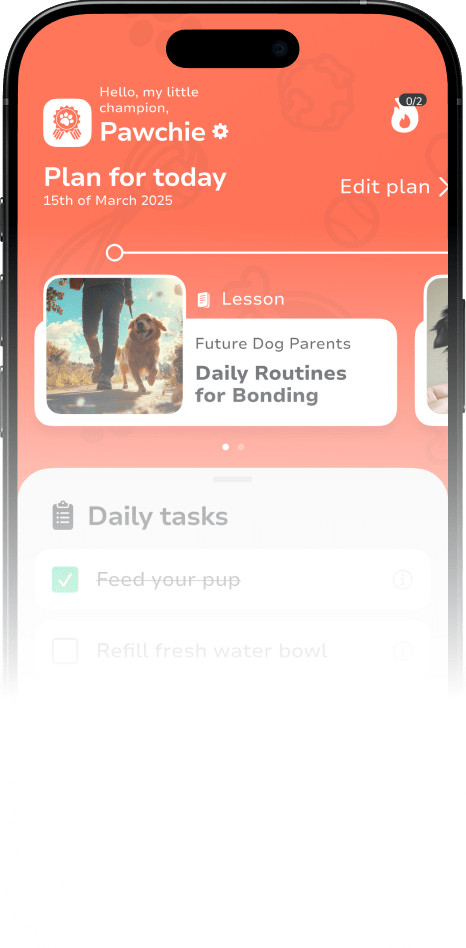
PawChamp aiuta i proprietari di cani a gestire le situazioni di addestramento attraverso un supporto comportamentale organizzato e passo-passo all'interno dell'app. Invece di affidarsi a consigli generici trovati online in forum o social media, l'app offre esercizi di addestramento basati su evidenze, strumenti per il monitoraggio dei progressi e supporto professionale tramite la funzione chat Chiedi a un esperto di cani.
Questo può essere utile per i proprietari di cani che cercano di comprendere i modelli dietro l'aggressività verso altri cani, la reattività, la frustrazione o la tensione in famiglie con più cani.
Conclusione
L'aggressività del cane verso altri cani è spesso causata da paura, ansia, frustrazione, protezione delle risorse o eccitazione cronica piuttosto che da “dominanza”. In molti casi, questo comportamento serve come strategia per aumentare la distanza e creare sicurezza. Un trattamento efficace richiede di prevenire interazioni aggressive ripetute mentre si modifica gradualmente la risposta emotiva del cane attraverso una modifica comportamentale strutturata.
Nota dell'editore
Questo articolo è solo a scopo educativo e non sostituisce il parere veterinario o professionale comportamentale. Se l'aggressività del tuo cane è improvvisa, grave, in aumento o crea un rischio per la sicurezza, consulta un veterinario o un professionista comportamentale qualificato.
Riferimenti
Bastos, Amalia & Neilands, Patrick & Hassall, Rebecca & Lim, Byung & Taylor, Alex. (2021). I cani rappresentano mentalmente interazioni sociali che provocano gelosia. Psychological Science.
American Veterinary Society of Animal Behavior. Posizioni ufficiali sulla modifica comportamentale umana basata su evidenze e sui rischi dei metodi di addestramento basati sulla punizione.