Your dog loves to follow you from room to room and may even wake themselves from a nap to make sure you’re not too far out of sight. I know some days I swear my dog is obsessed with me! Today we’re talking about love versus separation anxiety.
Key takeaways:
Following can be a sign of a dog who simply loves you.
Body language is the best way to figure out if your dog likes to be with you vs. can’t be away from you.
Changes in behaviour is the main way our dogs can communicate something isn’t right.
Investigate sudden changes in behaviour and access support as needed.
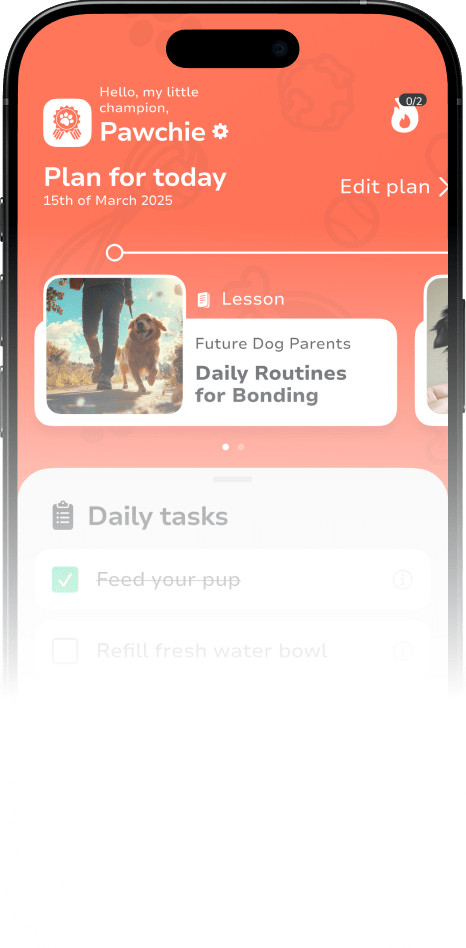
If you’re starting to notice patterns in your dog’s behavior but aren’t sure what to focus on first, having a simple structure can help. PawChamp gives you daily, realistic training steps so you can turn small insights into consistent progress at home.
Dog Body Language Explained: Why Dogs Follow You
You’re cleaning the kitchen and trying to do laundry but every time you turn around your little shadow is there. There are a variety of reasons our dogs follow us around and it’s not automatically a problem to be concerned about.
Dogs are very social animals and often just like to be close to us. Dogs are also really good at predicting patterns. Following people has provided them opportunities for walks, food, and attention.
So how do you figure out if your dog following you is because they love you or they’re anxious? IIt’s all about dog body language. A well-adjusted dog:
Will have a loose body
Shows normal breathing patterns
Can settle away from you
💡 Please note!
If your dog is pacing, whining, panting, scanning and struggles to rest without you close or touching them they may be experiencing separation anxiety.
Is It Love or Separation Anxiety in Dogs: PawChamp explains
Learning more about your dog’s body language will help you determine if your dog just enjoys their people or really struggles to be without them. Affectionate dogs can still be very independent, but separation anxiety is panic – not loyalty or immense love.
Recognizing Dog Separation Anxiety Symptoms
It’s important to be able to recognize whether your dog is a clingy Velcro-dog or they are struggling with something more serious. A Velcro dog can still be left alone without panicking.
Here are some common signs to look for that could signal your dog is in distress:
Barking when left alone
Self destructive behaviour
Having accidents when they wouldn’t normally
Drooling, panting, pacing
They can’t eat or settle when left alone
Why Is My Dog Suddenly Attached to Me?
Dogs are very sensitive animals that thrive on predictability and structure. Sudden clingy dog behaviour should be investigated as that is the only way they can communicate something isn’t right.
First, consider any household changes. Did you recently move, add a family member to the household, go on vacation, go back to the office after working from home? Has the weather impacted your usual activities with them? If you’ve been wondering why is my dog so clingy, these kinds of changes are often the first place to look.
If you’ve pinpointed what may be the cause of your dog’s behaviour change, you can implement some things to help them ease through these transitions. Sometimes you can’t just make things go back to the way they were, in these moments it’s more about being understanding and compassionate. Change can be hard for all of us!
If you can’t find any possible causes from changes to their environment or schedule, then you’ll want to consult with your vet to investigate other root causes.
Sometimes what feels like extra love is actually your dog trying to stay close because something feels off. PawChamp helps you quickly understand what’s behind that behavior and what to do next.
How to Help a Dog with Separation Anxiety and Clinginess?
If you’ve ruled out changes in your dog’s life and had a conversation with your vet to consider pain or other medical issues your next step is to consider dog training for separation anxiety. Here are a few quick tips to help get you started:
Punishment will not fix separation anxiety.
Find a support system – this will be helpful for you and your dog. Pet sitters, dog walkers, daycare, family/friends will all become part of your toolbox.
Limit absences – easier done with that support system I mentioned!
Get used to tiny wins – we may be talking seconds of separation.
Celebrate resting away from their person (even if it means cuddling in their bed with your old shirt!)
It will be extremely important to build calm independence gradually, at your dog’s pace. Every situation is unique – you may be starting at seconds or minutes and growing your absences from there.
This is not as simple as giving your dog a lick mat or puzzle toys and then leaving. You can absolutely use food and enrichment thoughtfully and as part of your whole recovery plan.
💡 Tip:
Over time, you can begin to create a predictable routine for your dog. Your dog will begin to relax easier, and your departure won’t start their spiral.
Dog Insurance and Professional Dog Training
If you believe your dog is struggling with separation anxiety your two best tools will be your vet and your certified dog trainer. Having a great dog insurance provider will help reduce some of the costs you’ll face while supporting their recovery.
Pet insurance may help you with any vet workups if you need to rule out medical causes. If you have a comprehensive policy, be sure to check to see if it covers behaviour related support. There are behaviour consultants (also known as behaviourists in some parts of the world) that have developed relationships with insurance providers and may even be able to offer direct billing.
Look for a force-free, professional dog training that focuses on separation anxiety. They can help you determine if this is just your dog being a little shadow or there’s something bigger that needs to be addressed. If so, they can develop a customized training plan for your dog, not just give you generic tips.
How PawChamp Helps?
Understanding why your dog follows you everywhere is the first step—but knowing what to actually do about clingy behavior or early signs of separation anxiety is where many owners get stuck. It’s not always obvious how to move from “my dog is always next to me” to building calm independence without making things worse.
PawChamp helps turn that understanding into simple, practical steps you can follow in real life.
Inside the app, you can:
Follow step-by-step routines that help your dog become more comfortable being alone.
Track behavior patterns like clinginess, restlessness, or changes in routine.
Use positive reinforcement exercises that build calm, independent behavior.
Get guidance through Ask a Dog Expert when you’re unsure if it’s normal attachment or something more.
By combining behavior insights with clear daily actions, PawChamp helps you move from constantly being followed around to raising a dog that feels safe, confident, and able to relax on their own.
Bottom Line
If you’re wondering why my dog follows me everywhere, the answer is often simple—it can be love, habit, or a need for reassurance. The key is learning to read your dog’s body language to understand whether they’re relaxed or struggling with anxiety. Sudden changes in clingy behavior shouldn’t be ignored, as they can signal stress or discomfort. With the right support and gradual training, you can help your dog feel more confident and comfortable even when you’re not right next to them.