It’s springtime in many parts of the world (finally!), and that means grass is growing and dogs are eating it. We all know what often comes next; the retching and then the bile with little bits of grass.
There are plenty of reasons you may find your dog vomiting, grass eating being the thing that comes to mind for most people. In this article, we’re exploring the most common reasons our dogs throw up and what we can do to help them feel better.
Key Takeaways
Dogs often throw up because they ate something they shouldn’t.
Fast eating, food sensitivities, parasites, toxins, and medical issues can all cause vomiting.
Repeated vomiting, blood, or trouble keeping water down means it’s time to call the vet.
Track what the vomit looks like and when it happens to help your vet.
Using PawChamp to train cues like “leave it” and “drop it” can help prevent scavenging-related stomach upsets.
Why Is My Dog Throwing Up? 6 Common Causes of Dog Vomiting
The most likely reason you find your dog vomiting is that they ate something they shouldn’t have. Garbage, grass, sticks, socks, a whole chicken carcass – as a trainer, I’ve seen and heard it all. Their nose thinks it smells great, but these things can cause anything from mild upset to vomiting and diarrhea.
Other common reasons for vomiting are:
food sensitivities
eating too fast/too much at once.
parasites or stomach bugs
toxins or dangerous foods (Cannabis butts, chocolate, grapes or raisins, toxic plants, sugar free gum)
underlying medical issues
If your dog starts throwing up, you’ll want to start the process of elimination to help you figure out what could be causing your dog to feel ill. Think about things like did they just eat their food, was it fast, were they recently outside, was it sudden, and are there other symptoms. Make note of the type of vomit in case you need to consult a vet.
The PawChamp app offers 24/7 consultations with dog health specialists included in the subscription. These experts offer triage and guidance on dog vomiting, dog diarrhea, dog not eating, and other pet wellness concerns — helping you figure out whether it's safe to monitor at home or time to see a vet in person.
Dog Vomiting and Diarrhea: When to Worry and What It Means
It’s always concerning when your dog is showing signs that they don’t feel well. If your dog is vomiting repeatedly, can’t keep any water down, other symptoms (like the dog has dirrahea), or has blood in their vomit, this needs vet intervention right away.
Similarly, if your dog is a puppy, a senior, or already has medical conditions, they should be seen by a vet quickly. If dogs continue to vomit, it can lead to dehydration, creating a whole other host of problems.
📝 Note:
If your dog is eating their food (fast or slow) and vomiting regularly, this is also worthy of a consult with your vet to ensure there’s nothing underlying going on.
As gross as this might seem, it will be very helpful to your vet if you are able to describe the vomit and if it has changed over time. For instance, noting bile (small amounts of foamy vomit) versus the kibble or grass they just ate. Note any color that seems out of the ordinary (looks like coffee grounds, neon yellow, blood streaks).
Even if things seem “normal” and you decide to wait things out to see if they improve, it is best to consult a vet after 24 hours to ensure your dog is not at risk of dehydration.
What to Do When Your Dog Is Throwing Up After Eating
If your dog throws up after eating, I recommend providing meals in a slow feeder bowl or puzzle feeder. For taller dogs, use a raised stand to make sure they’re not leaning down too far to get their food, allowing for better digestion. Build in some calm rest time after meals for about 30 minutes to help them digest.
Home Treatment vs Vet Visit for Dog Vomiting
If you can link your dog’s vomiting episodes specifically to mealtimes you can try some things at home to help before bringing them to the vet.
If vomiting is the only symptom your dog has and they seem normal otherwise, you can offer them little drinks of water and rest. Keep a close eye on them for 24 hours and consult your vet if things haven’t improved. Vomiting is a symptom, not a diagnosis so you need to investigate the root cause.
If you have tried slowing their eating down and raised their dishes and your dog is still struggling to keep their food down, then it is worth a talk with your vet. They will help you rule out other causes like food sensitivities, or heartburn/acid reflux.
How PawChamp Helps With Dog Vomitting?
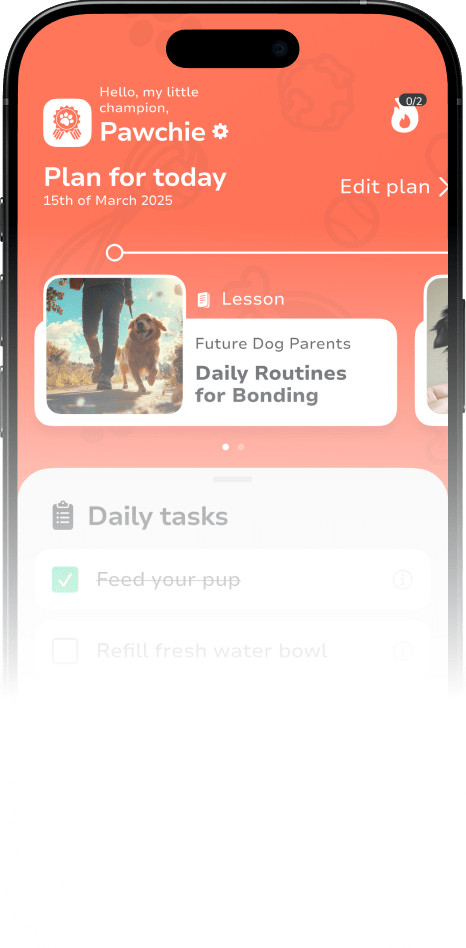
If your dog is simply a scavenger and cannot control themselves around garbage, human food, or grass, the PawChamp app can help provide dog owners with structured guidance right in the app.
You can follow step-by-step exercises to help teach your dog skills like “leave it” and “drop it” to help stop them from picking things up they shouldn’t have, and track your progress right in the app. Use the PawHealth and Care chat whenever you need additional help and guidance.
Bottom Line
Dog diarrhea and vomit are never fun to deal with, but they can give you helpful clues about what’s going on. If your dog seems like themselves and only vomits once, careful monitoring may be enough. If vomiting continues, comes with other symptoms, or you’re worried they ate something dangerous, contact your vet.